


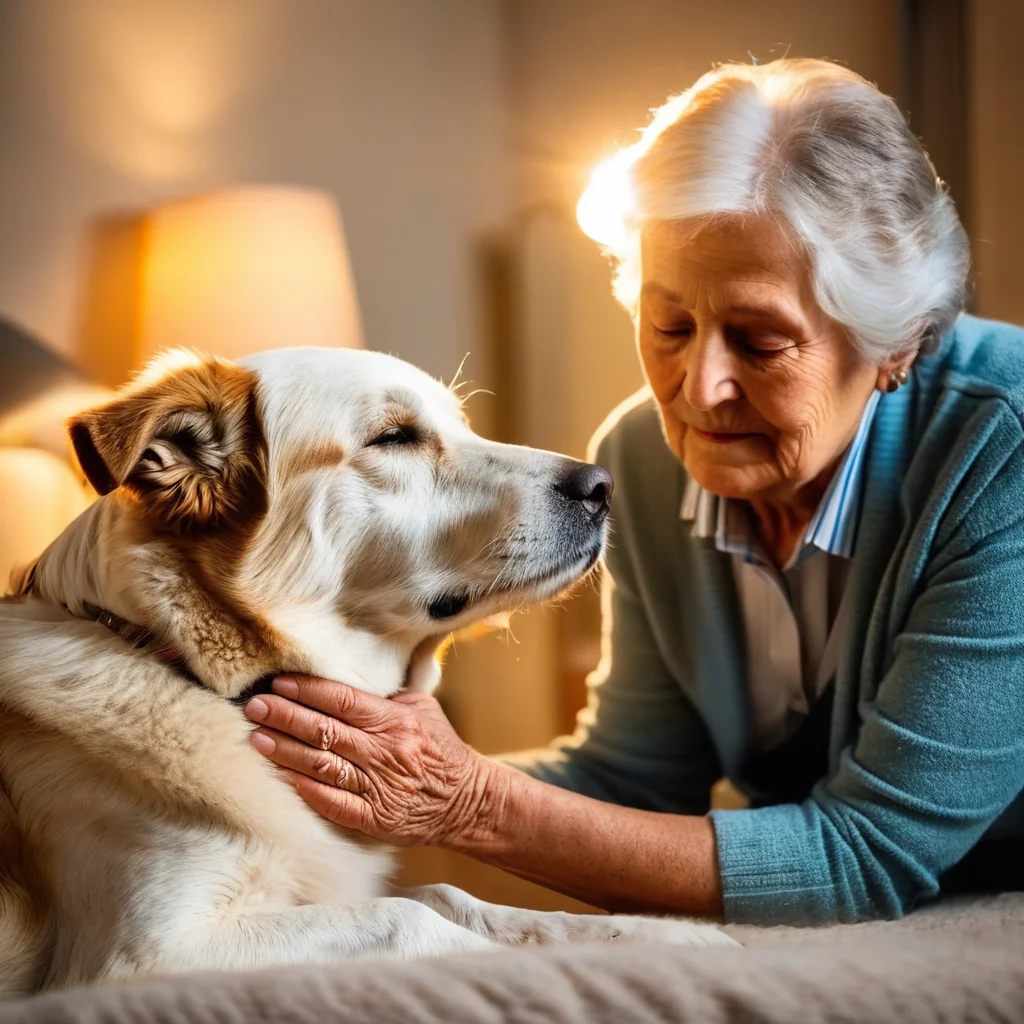

The hardest decision of life with a pet: when is euthanasia the right choice? This decision is a mix of guilt, love and pain. Quality-of-life score, good day/bad day list, talking to your vet, making the decision as a family. A loving final gift, coping with guilt, and knowing that tears are normal. In this post, we look closely at the process of deciding on euthanasia.
1. What Euthanasia Means
- Euthanasia = "good death" (Greek).
- A painless, quick and peaceful end.
- IV injection (usually pentobarbital).
- Sleep within 1-2 minutes, then the heart stops.
- The pet doesn't suffer.
- A final gift from the owner.
- A controlled process instead of a natural death.
2. When to Consider It
- Quality of life is consistently low.
- Pain isn't under control.
- Severe loss of appetite and weight loss.
- Can't move independently.
- No bladder or bowel control.
- No longer joins in activities it loves.
- Bad days outnumber good days.
- An illness with no treatment or no recovery.
3. Quality-of-Life Score (HHHHHMM)
Dr. Alice Villalobos's scale (each item scored 1-10):
- H1 - Hurt: Is the pain well enough controlled?
- H2 - Hunger: Is it eating?
- H3 - Hydration: Is it drinking enough?
- H4 - Hygiene: How is its cleanliness?
- H5 - Happiness: Is it enjoying things?
- M1 - Mobility: Is it independent?
- M2 - More good days: Good days outnumber bad days?
- A total of 35+ = continue; below 35 = consider euthanasia.
4. Good Day / Bad Day List
- Keep daily notes about your pet on a calendar.
- Good day: active, eating, doing what it loves.
- Bad day: pain, weakness, no appetite.
- Observe for 2 weeks.
- Bad days outnumber good days = think about it.
- A worsening trend = talk to your vet.
- It's more objective if the whole family keeps the list together.
5. Talking to Your Vet
- Your vet knows your pet and offers an objective view.
- Discuss the prognosis.
- Review treatment options.
- Is pain management adequate?
- What are the chances of recovery?
- Ask, "What would you do in my place?"
- Vets have feelings too: be respectful and honest.
- Get a second opinion from more than one vet.
6. Making the Decision as a Family
- Include the whole family.
- Include children based on age and maturity.
- Don't make the decision alone.
- Support each other.
- Guilt about "waiting too long" is shared.
- Guilt about "deciding too soon" is shared.
- A decision made with love.
- Focus on what is truly good for your pet.
7. Preparing for the Process
- Choose euthanasia at the clinic or at home.
- At home: calmer, familiar surroundings.
- At the clinic: the vet's equipment and emergency care.
- The owner and family can be present.
- A favorite toy and blanket nearby.
- The last day: a favorite activity and food.
- Take photos and videos (memories).
- Words of love.
8. Procedure Details
- The pet gets a sedative (IM) and falls asleep.
- IV catheter (usually in the leg).
- Pentobarbital given slowly by IV.
- Sleep within 1-2 minutes, then everything stops.
- The vet checks with a stethoscope.
- The pet is unconscious throughout the process.
- The eyes may stay open (normal).
- Reflexes (twitching, breaths) may be seen (post-mortem).
9. Afterward: The Body
- Cremation: Individual or communal.
- Burial: In a yard or a pet cemetery.
- Pet cremation facilities in Türkiye: Limited, in large cities.
- Aquamation: A newer option, not yet available in Türkiye.
- Decide in advance: Deciding is hard for an owner in the middle of grief.
- The vet explains the options.
- Keeping a paw print and a lock of fur as a keepsake.
10. Guilt + Grief
- Asking "Was it the right time?" is normal.
- Guilt is a normal feeling.
- The vet supports the decision.
- Your pet is no longer in pain.
- A loving final gift.
- Tears and grief take time.
- Support from family and friends.
- Professional support for pet loss (therapy).
- Quality of life > length of life.
The pet euthanasia decision follows a formula: quality-of-life score + good day list + talking to your vet + deciding together as a family. It's the hardest decision in life, but a loving final gift. A painless, peaceful end for your pet. Guilt and grief are normal, and they pass. Being by your pet's side at its last breath = a deep bond. In the DoldurKabı app, you can find a list of vets who specialize in end-of-life care, with a map.









