


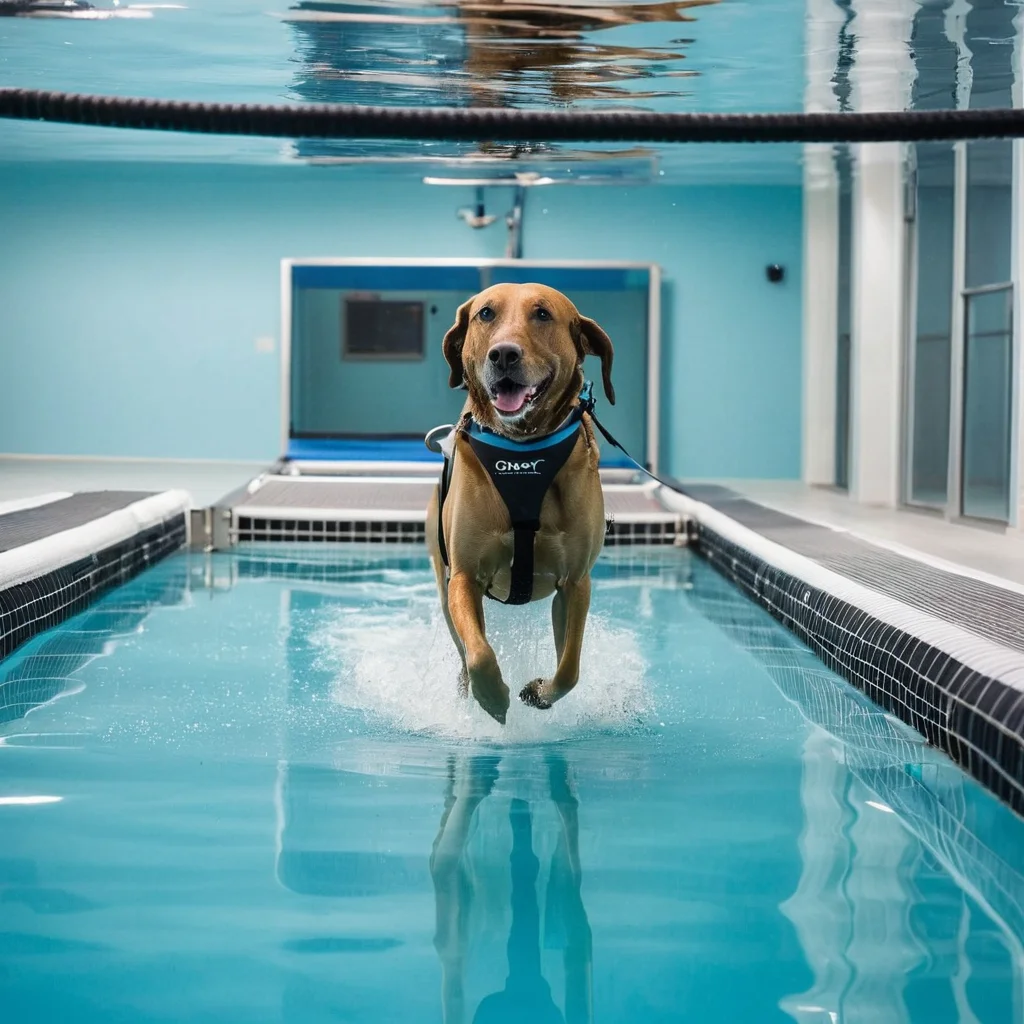

Physical therapy for pets after surgery, for joint disease and for nerve damage. Hydrotherapy, laser, manual therapy, exercise programs and the underwater treadmill. Specialist clinics in Türkiye, fees and how home exercise helps. Modern veterinary rehabilitation means faster recovery. In this post we take a detailed look at physical therapy for pets.
1. What Is Pet Physical Therapy?
2. Which Conditions Is It For?
- After surgery: Joint surgery, bones, nerves.
- Joint disease: Arthritis, hip dysplasia, elbow dysplasia.
- Nerve damage: Disc herniation, spine, paralysis.
- Sports injuries: Agility pets, running.
- Aging: Mobility for senior pets.
- Weight + obesity: Exercise program.
- Geriatric: Dementia + weakness.
- Injuries: Muscles, ligaments, tendons.
3. Hydrotherapy
- The most popular form of rehab for pets.
- Underwater treadmill: A treadmill in shallow water. Reduces the load on joints.
- Pet pool: Full swimming.
- Water temperature 28-32°C.
- Joint-friendly exercise.
- Muscle + cardiovascular endurance.
- Speeds up recovery after surgery.
- Pet swimwear (if needed).
4. Laser Therapy
- Low-Level Laser Therapy (LLLT) or Class IV.
- Stimulates cell healing.
- Anti-inflammatory.
- Pain relief.
- Speeds up wound healing.
- Joints + muscles + nerves.
- 15-20 minute sessions.
- Minimal side effects.
5. Therapeutic Ultrasound
- Deep tissue heat + massage.
- Healing for muscles + ligaments + tendons.
- Soft tissue injuries.
- Chronic pain relief.
- Similar to physical therapy for people.
- Used by vet specialists.
6. Electrotherapy (NMES, TENS)
- Electrical stimulation of nerves + muscles.
- Prevents muscle atrophy in paralyzed pets.
- Supports healing of nerve damage.
- Pain control (TENS).
- Low intensity, comfortable for the pet.
- Not tiring + effective.
7. Manual Therapy
- Hands-on treatment by a vet specialist.
- Joint manipulation (veterinary chiropractic).
- Massage.
- Passive stretching.
- Soft tissue release.
- Trigger point release.
- Manual lymph drainage.
- Relaxation + pain relief for the pet.
8. Exercise Program
- Designed for the individual pet.
- Passive range of motion (by the vet or the owner).
- Assisted walking (sling, harness).
- Balance board.
- Cavaletti (walking over low obstacles).
- Walking uphill and downhill.
- Chasing a ball.
- A home program for the family to continue.
9. Clinics in Türkiye
10. Price + Frequency
- Consultation
- Hydrotherapy session
- Laser session
- Full package of 10 sessions
- Frequency: Start at 2-3 times a week, taper to 1.
- Duration: 6-12 week intensive program.
- Maintenance: 1-2 times a month.
- Some pet insurance covers rehab after surgery.
The price depends on the city, outpatient clinic or hospital, after-hours visits, imaging or hospitalization, and the animal's weight and age. The provincial Chamber of Veterinarians (Veteriner Hekimleri Odası) publishes a yearly minimum fee schedule; the schedule is a floor, not the final bill. Ask the clinic for a written or verbal estimate.
Pet physical therapy + rehabilitation comes down to a formula: hydrotherapy + laser + manual therapy + exercise program + a certified specialist. It speeds up recovery after surgery. It helps manage joint disease. It preserves mobility in senior pets. It's a growing field in Türkiye. In the DoldurKabı app, you can find a list of rehabilitation specialist vets on the map.









