


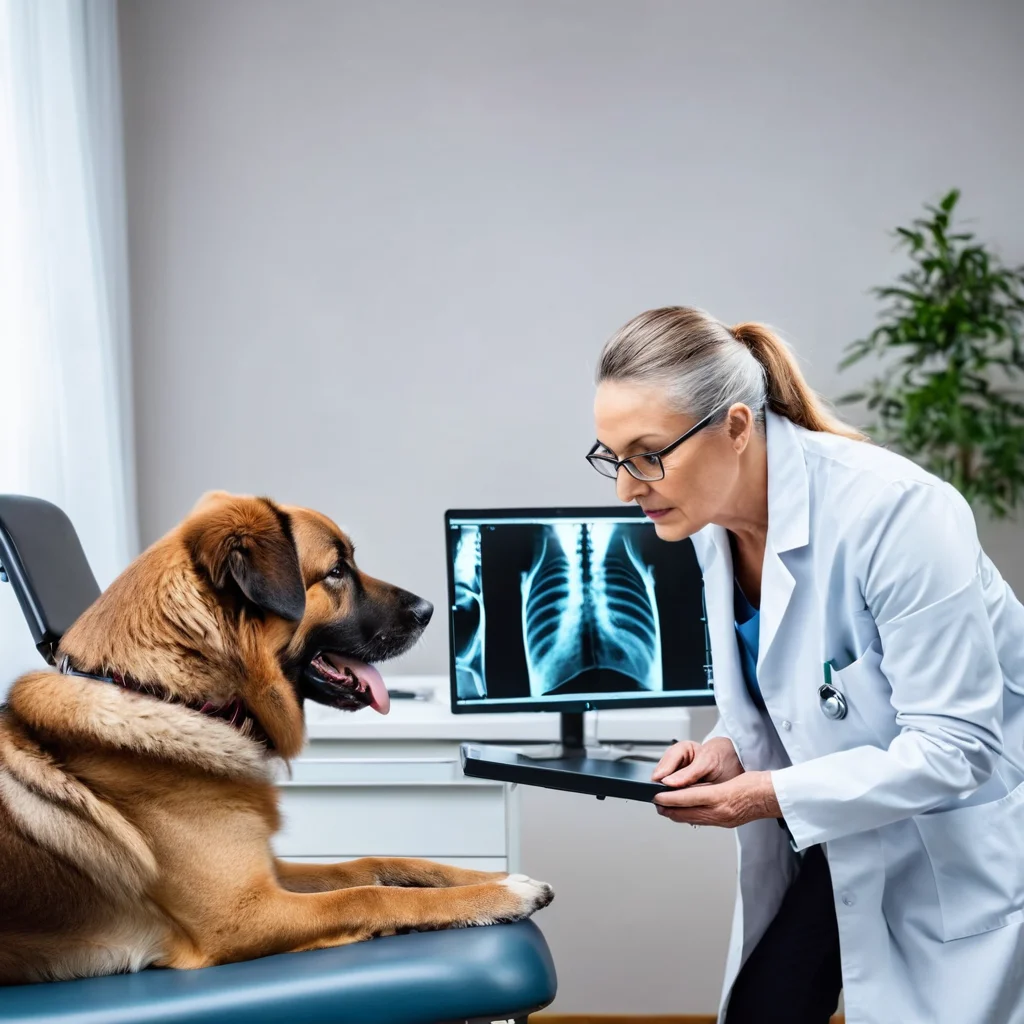

Cancer is common in dogs and cats: 50% over age 10. Modern veterinary oncology, early diagnosis and treatment options extend a pet's life and protect its quality. Common types (lymphoma, mast cell tumors, osteosarcoma, mammary tumors), early warning signs, biopsy, staging and evaluating prognosis. In this article, we take a detailed look at pet cancer.
1. How Common Pet Cancer Is
- 50% of dogs over 10 are diagnosed with cancer.
- 30% of cats over 10 get cancer.
- The disease process is similar to that in humans.
- Prognosis is improving with modern treatment.
- Early diagnosis = a longer life.
- Some breeds are predisposed (Boxer, Bulldog, Golden, Bernese).
- Age, genetics and environment are factors.
2. Common Types of Cancer
- Lymphoma: The lymphatic system. Common in dogs and cats. Responds well to treatment.
- Mast Cell Tumor (MCT): Skin. Boxers and Bulldogs are predisposed.
- Osteosarcoma: Bone cancer. Large breeds (Greyhound, Rottweiler).
- Hemangiosarcoma: Blood vessels. Goldens and Labs are predisposed. Aggressive.
- Mammary tumor: Unspayed females (50% malignant).
- Squamous cell carcinoma: Skin. Sunburn in white pets.
- Soft tissue sarcoma: Soft tissue.
- Transitional cell carcinoma: Bladder.
- Lymphoma in cats: The digestive form is common.
3. Early Signs
- A lump or swelling (on the skin or internal).
- Unexplained weight loss.
- Persistent loss of appetite.
- Lethargy and reduced activity.
- Limping and pain can signal bone cancer.
- Difficulty breathing (lung tumor).
- Abnormal bleeding (nose, mouth).
- Trouble urinating or defecating (prostate, bladder).
- A wound that won't heal.
- Swollen lymph nodes.
4. The Diagnostic Process
- Physical exam and history.
- Blood work and biochemistry.
- Urinalysis.
- X-ray and ultrasound.
- CT/MRI (if needed).
- Fine needle aspiration (FNA) cytology.
- Biopsy (definitive diagnosis).
- Histopathology.
- Immunohistochemistry (especially for lymphoma).
- A veterinary oncology specialist.
5. Staging
- Evaluating tumor size and spread.
- TNM classification.
- Stage 1: Local, small.
- Stage 2: Local, large.
- Stage 3: Lymph node involvement.
- Stage 4: Metastasis (distant organs).
- Early stage = good prognosis.
- Late stage = palliative approach.
6. Surgical Treatment
- The gold standard for localized cancer.
- Tumor plus margin (the edge of tissue around it).
- Lymph node removal.
- Surgery alone is enough for most skin tumors.
- Mast cell tumors: surgery plus additional treatment.
- Soft tissue sarcoma: wide surgical excision.
- For some cancers, surgery isn't enough (bone metastasis).
7. Chemotherapy
- Same drugs as in humans, at lower doses for pets.
- The gold standard for lymphoma.
- Doxorubicin, vincristine, cytarabine.
- Protocols are weekly or monthly.
- Side effects are low (not as much as in humans).
- Hair loss usually doesn't happen.
- Hospitalization usually isn't needed.
- Recovery rates depend on type and stage.
8. Radiation Therapy
- Surgery combined with radiation therapy.
- Local control of soft tissue tumors.
- Limited clinics in Türkiye (universities and private).
- Anesthesia needed for every session.
- 15-25 sessions.
- Side effects: skin burns, fatigue.
- Cost
Fees depend on the city, whether it's a clinic or a hospital, after-hours visits, imaging or hospitalization, and the animal's weight and age. The provincial Chamber of Veterinarians (Veteriner Hekimleri Odası) publishes an annual minimum fee schedule; the schedule is a floor, not the final bill. Ask the clinic for a written or verbal estimate.
9. Immunotherapy and Targeted Therapy
- Modern treatments are developing.
- Vaccines and immune-based cancer therapy (for lymphoma).
- Targeted drugs (Palladia for mast cell tumors).
- Stem cell and biological therapies.
- Fewer side effects than classic chemo.
- Limited access in Türkiye.
- May become standard over the years.
10. Quality of Life and Decisions
- Treatment decisions are made together by the owner and the veterinary oncologist.
- Quality of life comes first (not length).
- Age, health and financial situation.
- Palliative treatment is an option (symptom control).
- Hospice care in the final stage.
- Euthanasia decisions center on the pet's comfort.
- Focus on keeping "good days."
Pet cancer comes down to a formula: early diagnosis, biopsy, staging, multimodal treatment and a focus on quality of life. Modern veterinary oncology and early treatment give pets extra years. It takes cooperation between the pet owner and the vet. Regular checkups = early diagnosis. In the DoldurKabı app, you can find veterinary oncology specialists and surgical centers on the map.









