


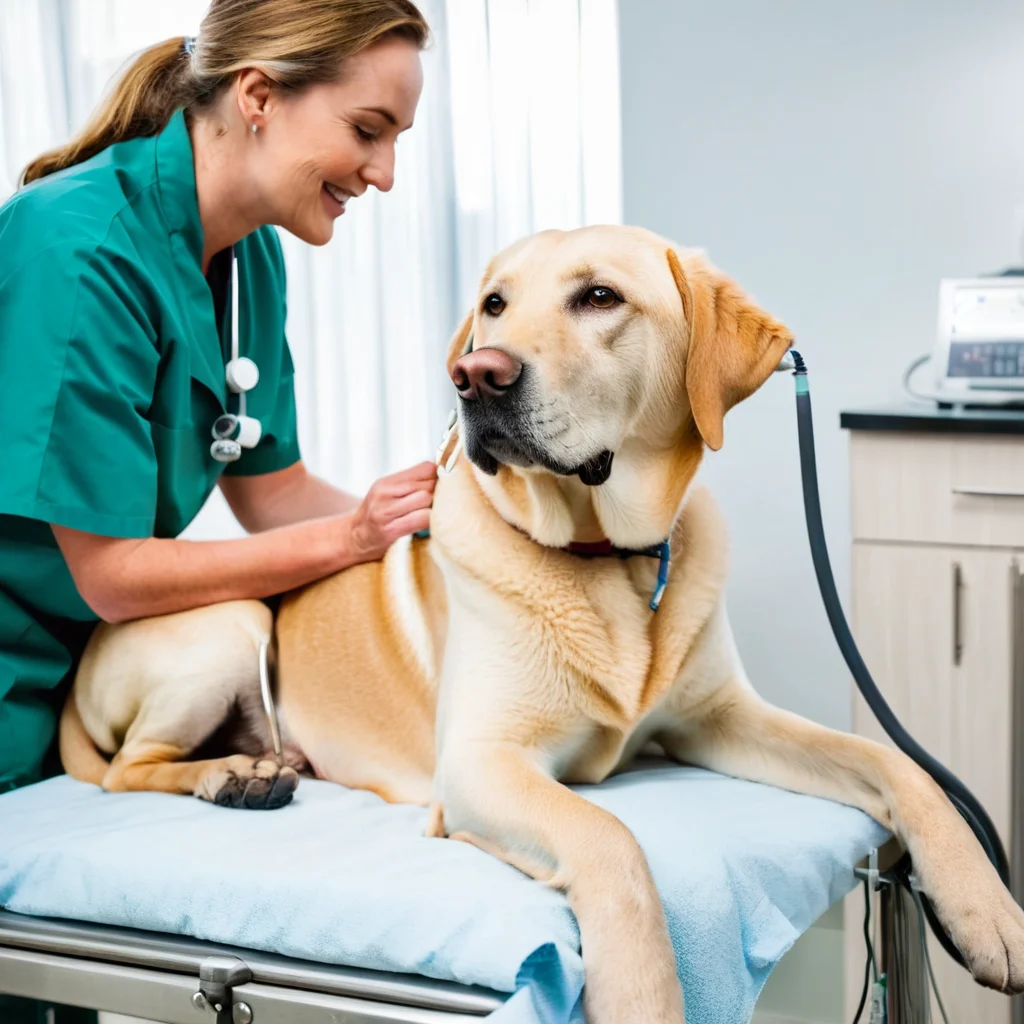

Cancer treatment in pets: chemo and radiation therapy differ from human treatment (lower doses, quality of life comes first). Side effects (vomiting, lethargy, hair loss), managing them at home, veterinary oncologists, costs. Modern veterinary oncology has advanced, and effective treatment is possible. In this article we look at chemotherapy and radiation therapy for pets in detail.
1. Pet Chemo vs Human Chemo
- The goal for pets: quality of life and more time.
- The goal for humans: a cure.
- Lower doses for pets = fewer side effects.
- The pet shouldn't be in pain, and it shouldn't be exhausting for the owner.
- Hospitalization is rare.
- Most pets live normal daily lives at home.
- Treatment is practical and full of love.
2. Types of Chemotherapy
- IV infusion: Into a vein at the clinic. Doxorubicin, vincristine.
- Oral tablets: The owner gives them at home. Chlorambucil, lomustine.
- Subcutaneous injection: Under the skin. Some protocols.
- Intratumoral: Directly into the tumor. Rarely used.
- The protocol depends on the cancer type, the stage and how the pet copes.
- Treatment usually lasts 4-6 months.
3. Side Effects: Mild (50%)
- Lethargy for 1-2 days.
- Reduced appetite.
- Occasional vomiting.
- Soft stools.
- Temporary discomfort.
- Quality of life isn't affected.
- These side effects are expected.
- Most pets tolerate them comfortably.
4. Side Effects: Moderate (20%)
- Repeated vomiting.
- Low appetite for a few days.
- Lethargy for 3-4 days.
- Diarrhea for a few days.
- Mild fever.
- Managed by the vet with medication.
- An antiemetic (Cerenia) helps.
- Dose adjustment going forward.
5. Side Effects: Severe (5%)
- Excessive vomiting and diarrhea.
- Severe lethargy.
- Bone marrow suppression (blood test).
- Risk of infection.
- Hospitalization needed.
- IV fluids and medication.
- Dose reduction or a change of protocol.
- Close monitoring by the vet.
6. Hair Loss
- NOT as common as with human chemo.
- Most pets don't lose any hair.
- Some breeds (Poodle, Schnauzer, Yorkshire) are affected.
- Shaved areas grow back slowly.
- Some pets lose whiskers.
- It's temporary, and the hair grows back.
- The cosmetic impact on owners is small.
7. Radiation Therapy
- For localized tumors.
- 15-25 sessions (4-5 weeks).
- Each session is 5-10 minutes plus 30-60 minutes of anesthesia.
- Limited clinics in Türkiye (universities and private).
- Side effects: skin burns (radiation dermatitis), lethargy.
- Healing takes weeks to months.
- Late side effects (years later): rare in pets.
8. Managing Side Effects at Home
- Antiemetics on a regular schedule (preventive).
- Soft food (boiled chicken and rice).
- Plenty of water and electrolytes.
- A calm spot and rest.
- Rough play is NOT ALLOWED.
- A daily pet journal (good and bad days).
- Emergency signs = call the vet.
- On good days, a favorite activity.
9. Costs (Türkiye)
- A full chemotherapy protocol
- A 6-month lymphoma protocol
- Additional treatment for mast cell tumors
- 20 sessions of radiation therapy
- A veterinary oncology consultation
- Immunotherapy (Palladia)
- Pet insurance covers it in some cases (private insurance).
The price depends on the city, whether it's a clinic or a hospital, after-hours timing, imaging or hospital stays, and the animal's weight and age. Each city's Chamber of Veterinarians publishes a yearly minimum fee schedule; the schedule is a floor, not the final bill. Ask the clinic for a written or verbal estimate.
10. Making the Decision
- Consult a veterinary oncologist.
- Balance prognosis, cost and quality of life.
- Your pet's age and health.
- Your family's financial situation.
- "You don't have to do it": palliative care is an option.
- Chemo and treatment aren't right for every case.
- The right decision for your pet = a decision made out of love.
- Remember, less guilt.
Pet chemotherapy and radiation therapy follow a formula of lower doses, quality of life, side effect management and cost planning. Modern veterinary oncology is effective and humane. Most pets tolerate it comfortably. Cooperation between the pet owner and the vet is essential. Choosing not to treat = palliative care is a valid option too. In the DoldurKabı app you can find a map listing veterinary oncologists and surgery.









