


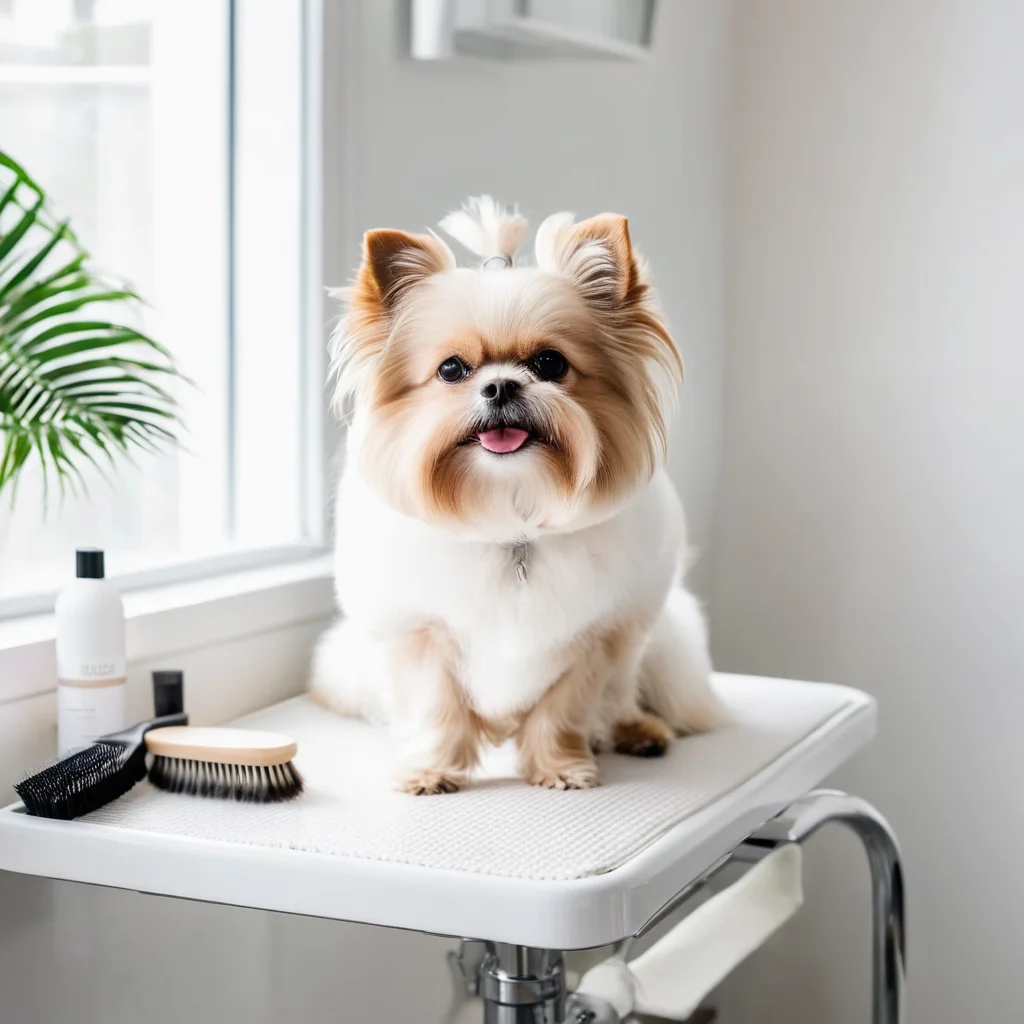

Your choice of pet groomer affects your pet's stress level, coat quality and skin health. A bad groomer = stress, cuts, poor care and a developing phobia. A good groomer = a calm pet, a healthy coat and a relaxed owner. Certification, hygiene, equipment, customer reviews and breed-specific experience all count. In this post, we go through a detailed checklist for choosing a pet groomer.
1. Certification and Training
- A pet grooming certificate (NDGAA, IPG, etc.).
- Türkiye has no official certification yet, but there is training from abroad.
- Attending workshops or courses every year.
- Breed-specific experience (Pomeranian, Poodle and Schnauzer cuts are different).
- Having a veterinary consultant.
2. Salon Hygiene
- A clean bathing area.
- Tools disinfected after every pet.
- Single-use towels (or washed after every pet).
- Bath water changed for each pet.
- Flea and parasite precautions (special shampoo).
- Sick pets kept separate.
3. Equipment Quality
- Clippers: A professional brand (Andis, Wahl), sharp blades.
- Scissors: Made for pets (human scissors are a NO).
- Comb/brush: Suited to the coat type (slicker, undercoat rake).
- Grooming table: Hydraulic (for large pets).
- Dryer: Force dryer plus stand dryer (human hair dryers are a NO).
- Nail clippers: Made for pets, plus styptic powder to stop bleeding.
4. Staff and Pet Relationship
- The groomer greets the pet gently.
- Petting and getting to know the pet.
- Taking breaks for a stressed pet.
- Not forcing a muzzle on (only for safety).
- A stressed pet = postpone, don't drag the session out.
5. Services
- Full package: Bath, haircut, nails, ears and perfume.
- Bath: Washing and drying only.
- Haircut: Summer cut, breed standard.
- Stripping and carding: Wire-haired breeds.
- Tooth brushing: An extra at some groomers.
- Flea treatment: With vet approval.
6. Prices (Türkiye)
- Small breed full package
- Medium breed
- Large breed
- Cat haircut
- Bath only
- Very expensive = luxury marketing; very cheap = questionable quality.
The fee depends on the city, whether it is a clinic or a hospital, after-hours visits, imaging or hospitalization, and the animal's weight and age. The provincial Chamber of Veterinarians (Veteriner Hekimleri Odası) publishes an annual minimum fee schedule; the schedule is a floor, not the final bill. Ask the clinic for a written or verbal estimate.
7. Judging the First Visit
- Start with just a meet-and-greet: Let your pet see and sniff the salon.
- Book a short service for the first visit (nails or a bath).
- Check your pet's behavior once you are back home.
- Coat quality (no nicks, an even cut, no mats).
- Is your pet at ease or panicking?
8. Customer Reviews
- Google Maps and Instagram reviews.
- A before/after photo page.
- Recommendations from people you know.
- Reviews from owners of the same breed are more valuable.
- Reviews on DoldurKabı and in pet groups on social media.
9. Red Flags
- Restraining the pet by force.
- Carrying on despite obvious panic.
- A caged "drying box" (hot air, risk of death).
- Bathing many pets at once (a chaotic setting).
- An unpleasant smell from other pets.
- Irritable staff.
- Late pickup for no reason.
10. Owner Preparation
- Keep your pet fasted (no food for 4 hours before the bath).
- Let them go to the toilet.
- Tired = calm (a short walk beforehand).
- Try a soft muzzle (if needed).
- Your stress rubs off on your pet, so stay calm.
- Rewards and affection when you get home.
Choosing a pet groomer comes down to this formula: equipment, certification, hygiene, breed experience and gentle handling. Don't book somewhere very cheap or without meeting them first. Test with a short service on the first visit. Your pet's state of mind matters more than coat quality; a stressful grooming visit = a long-term phobia. In the DoldurKabı app, you can find a map-based list of pet groomers, customer reviews and breed experience.









