


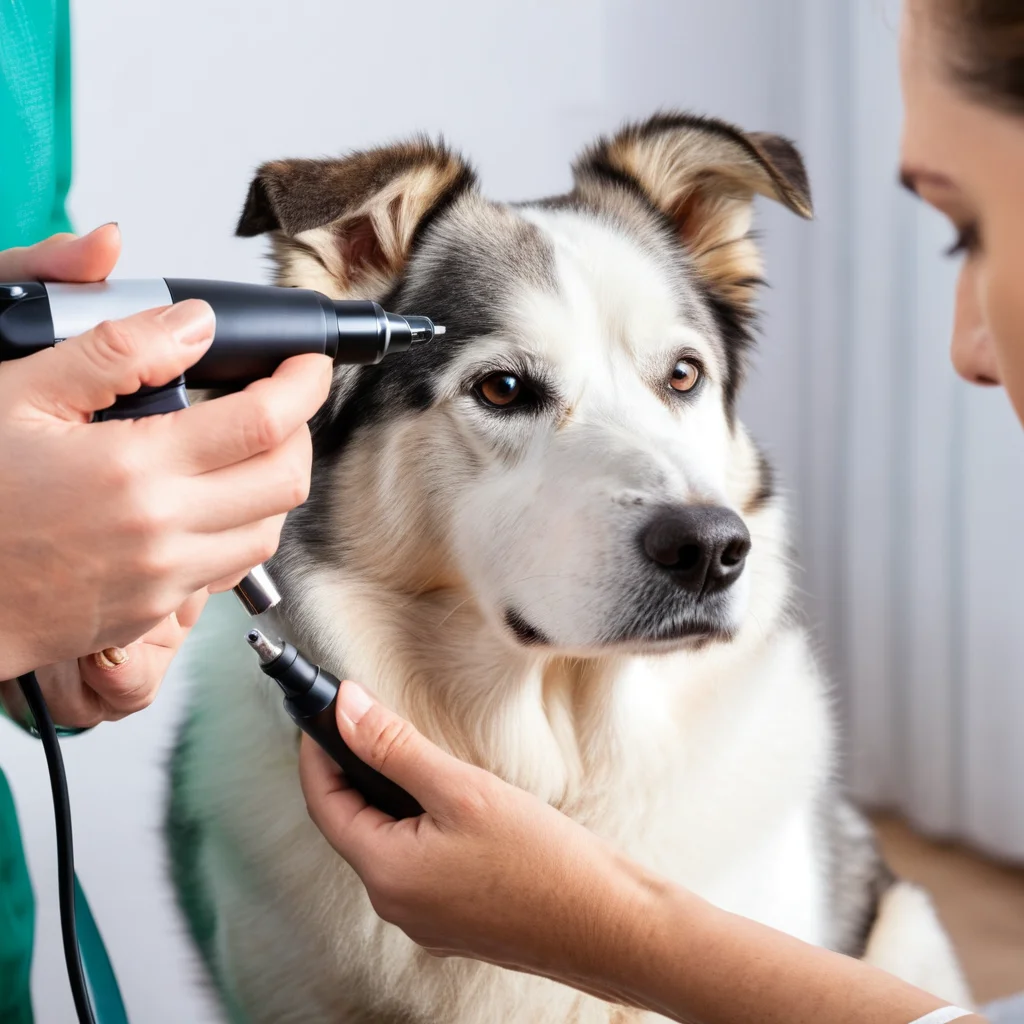

How often to clean a pet's ears is a debated topic, and cleaning healthy ears too much actually does harm. Clean based on signs, use a pet ear solution, cotton swabs are OFF-LIMITS, and long-eared breeds need it more often. Overcleaning = irritation + infection. In this article, we look at how to clean your pet's ears in detail.
1. Pet Ear Anatomy
- Dog and cat ear canals are L-shaped (unlike humans).
- Outer ear (the visible part) → vertical ear canal → horizontal canal → eardrum.
- This structure is prone to water and dirt buildup.
- Long-eared breeds (Cocker, Bloodhound) get little airflow = infection risk.
- Dog and cat skin flora includes bacteria + yeast.
- A healthy ear is clean, dry, with a little wax.
2. When to Clean
- Healthy ears: Check 1-2 times a month, and clean when it looks needed.
- Long-eared breeds: Once a week.
- After swimming/bathing: Drying + light cleaning.
- History of allergies: Follow your vet's advice.
- History of ear infections: Regular checks.
- Overcleaning = higher risk of irritation + infection.
- If there are no signs, do not clean.
3. Signs It Is Time to Clean
- A bad smell.
- Brown/black buildup.
- Visible excess wax.
- More ear scratching.
- Frequent head shaking.
- These = CLEAN + vet check (to rule out infection).
- If there are signs, see the vet; the vet does the cleaning before treatment.
4. Choosing an Ear Solution
- A pet ear cleaning solution (Epi-Otic, Virbac, Otoclean).
- pH-balanced, antibacterial, antifungal.
- Human ear solutions are OFF-LIMITS.
- Water + vinegar mixtures are OFF-LIMITS (irritation).
- Mineral oil is OFF-LIMITS (wax builds up).
- A product your vet recommends.
- Price: 200-500 Turkish lira.
5. Cleaning Steps
- Calm your pet (two people help).
- Lift the ear flap up.
- Fill the ear canal with solution (amount per the manufacturer).
- Massage the base of the ear for 30-60 seconds (you will hear a squishing sound).
- Let your pet shake its head (the dirt comes out).
- Wipe the visible part with cotton (NEVER go deep into the canal).
- Do the other ear.
- Treat + reward.
6. Cotton Swabs Are OFF-LIMITS
- A pet's ear canal is L-shaped, so a swab pushes dirt deeper.
- Risk of rupturing the eardrum.
- Irritation.
- Not recommended even for humans.
- Only the visible outer part can be wiped with cotton.
- A vet NEVER uses swabs on pets.
7. After Swimming
- Water gets into the ear = a setup for infection.
- Higher risk for long-eared and brachycephalic breeds.
- Drying the ears after swimming:
- 1. Let your pet shake its ears.
- 2. Wipe the visible part with a soft towel.
- 3. A pet ear drying solution (Epiotic).
- 4. If there are signs, see the vet.
8. Special Care for Long-Eared Breeds
- Cocker Spaniel, Basset, Bloodhound, Beagle.
- Little airflow = moisture buildup.
- Infections are common.
- Weekly cleaning is a must.
- Keep the inside of the ear flap clean and dry.
- Trimming hairy ears (vet/groomer).
- Limit exposure to water and humidity.
9. Signs of an Ear Infection
- A strong bad smell.
- Bloody/green/brown discharge.
- Intense scratching.
- Holding the head tilted (toward the painful side).
- Fever.
- Rubbing the ear on the floor.
- Balance problems (inner ear).
- = A VET VISIT IS A MUST: ear infections can become chronic.
10. Types of Infection
- Bacterial: Pseudomonas, Staph. Common.
- Yeast (Malassezia): Often comes with allergies.
- Otodectes (ear mites): Common in young animals + cats. Looks like coffee grounds.
- Allergic otitis: Common in pets with atopy.
- Polyps + tumors: Senior pets.
- Treatment: Ear medication from the vet + systemic treatment (if needed).
- Early treatment = a faster fix.
Pet ear cleaning comes down to a formula: clean based on signs + use a pet solution + NO cotton swabs + regular care for long ears. Cleaning healthy ears too much actually does harm. If there are signs, have the vet rule things out. Drying after swimming is a must. Regular checks by the owner lead to early diagnosis. In the DoldurKabı app, you can find a list of specialist vets on a map.









