
In short: Pet shops are not allowed to keep cats and dogs, but selling cats and dogs is not completely banned. Under a sentence added in 2021 to Article 10 of the Animal Protection Law No. 5199, cats and dogs cannot be kept at pet sales outlets; these outlets may, however, sell cats and dogs from pet breeding facilities licensed by the Ministry.
Until a few years ago, it was common to see kittens and puppies behind glass partitions in many pet shop windows. That scene has changed a lot, and people keep asking the same question: is it now illegal to sell cats and dogs at a pet shop? The answer isn't as simple as "yes" or "no." In this article, we explain exactly what the law says, the other rules sellers have to follow, and where you can report a violation if you see one.
What exactly does the law say?
The following sentence was added by Law No. 7332 to the first paragraph of Article 10, titled "Trade in animals":
Cats and dogs cannot be kept at pet sales outlets; however, cats and dogs from pet breeding facilities licensed by the Ministry may be sold at these outlets. (Law No. 5199, Article 10)
According to the law's list of amendments, this sentence took effect one year after publication, on July 14, 2022. It contains two separate rules.
1. The ban on keeping animals
Cats and dogs cannot be kept at pet sales outlets. That's why people call it the "display ban": keeping a cat or dog for sale in the shop, in the window, or in a back room is not allowed. The provision doesn't care how many days the animal stays in the shop; it bans keeping the animal there in the first place.
2. The licensed breeding facility exception
The same sentence doesn't shut down sales themselves. Sales outlets may sell cats and dogs from pet breeding facilities licensed by the Ministry. In other words, the animal stays at the licensed breeding facility, not in the shop, while the sale itself can take place at the outlet. The law doesn't spell out how the sale should be carried out, for example whether through a catalog or a particular delivery method.
So the statement "pet sales are completely banned in Türkiye" is not accurate. The accurate version is this: keeping cats and dogs at a pet shop is banned, but selling a cat or dog that comes from a licensed breeding facility is possible.
Only cats and dogs
The added sentence mentions only cats and dogs. It doesn't create a keeping ban for other pets such as birds, fish, hamsters, or turtles. The general sales rules described below still apply to these animals, though.
Other rules for every place that sells animals
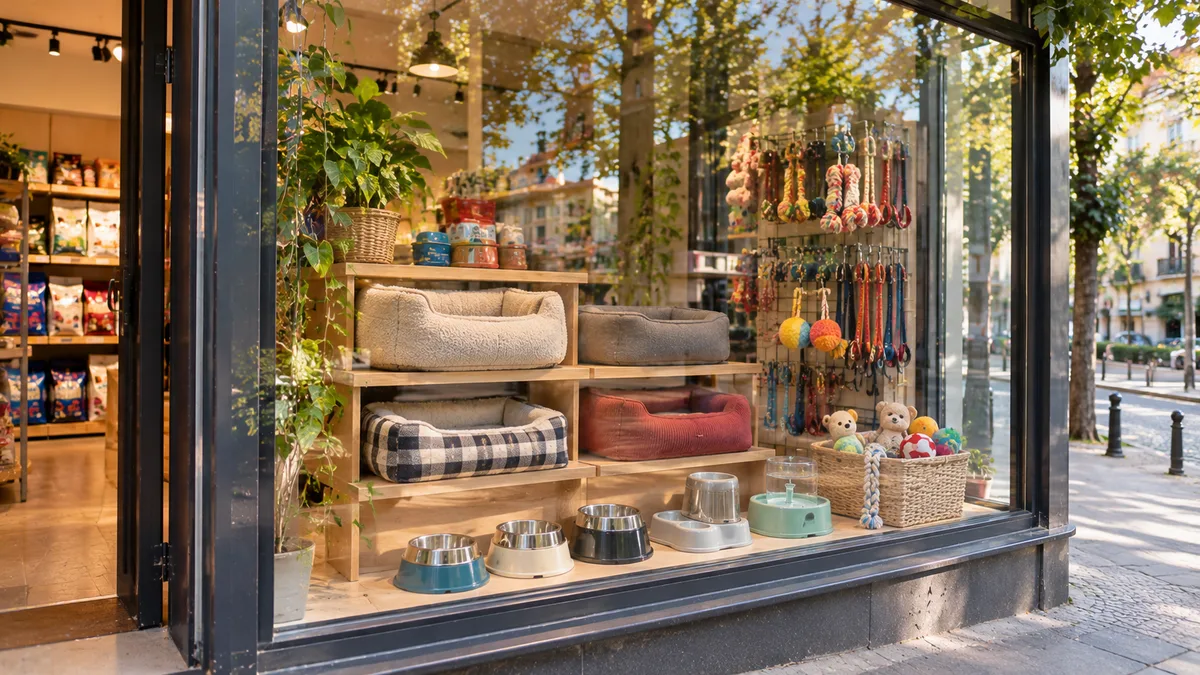
The display ban is only one of the law's rules on sales. The first sentence of Article 10 sets the basic requirement for all sales:
When animals are sold, they must be in good health, and the place where they are kept must be clean and meet health requirements. (Law No. 5199, Article 10)
Here are the other rules:
| Rule | Article |
|---|---|
| The animal sold must be healthy, and the place it's kept must be clean and meet health requirements | Article 10, paragraph 1 |
| Those who breed and trade pets must take measures related to the animals' anatomical, physiological, and behavioral traits so as not to endanger their health | Article 10, paragraph 4 |
| Transferring, selling, or buying a sick, disabled, old, or incurably suffering animal is banned, except for proper slaughter or painless euthanasia | Article 10, final paragraph |
| Pet sellers must attend training programs organized by local governments and obtain a certificate | Article 5, paragraph 3 |
| Selling pets by people who haven't received animal care training is banned | Article 14(c) |
| Selling pets to anyone under sixteen is banned | Article 14(d) |
The obligation in the fourth paragraph applies not only to sellers but also to breeders. These measures have to be taken for a cat or dog that comes from a licensed breeding facility, too.
What happens if the rules are broken?
Article 28 of the law sets administrative fines for violating these rules. There are separate fines for violating the first sentence of the first paragraph of Article 10 (the health and cleanliness requirement), its second sentence (the display ban), its fourth paragraph, and its final paragraph; some of these are calculated per animal (Article 28(f)). Administrative fines are also set for business owners who break the certificate obligation (Article 28(b)) and for those who sell to people under sixteen (Article 28(j)). Repeat violations bring increased fines (Article 30).
We're not listing the fine amounts here; for current amounts, check with the relevant authority. The authority empowered to impose fines is the inspection authority named in Article 17 of the law (Article 25), and the power of inspection belongs to the Ministry of Agriculture and Forestry (Article 17).
What can you do if you see a violation?
If you see a cat or dog being kept for sale at a pet shop, or notice that animals for sale are being kept in poor conditions, here's what you can do:
- Write down what you saw. Note the shop's name and address, the date and time, how many animals you saw, and what condition they were in.
- Don't get into an argument. The goal is to protect the animal; tension with shop staff won't help with that.
- Report it to the relevant authority. Since the power of inspection belongs to the Ministry, you can file your report with the provincial or district Directorate of Agriculture and Forestry where you are. You can also notify the municipality; the law provides for seized cats and dogs to be taken to an animal care facility by the municipality that runs one (Articles 24 and 28).
If the animals are left hungry, without water, or neglected, this may also fall under the bans in subparagraph (a) of Article 14 of the law. It helps to mention this in your report as well.
Are pet shops bad?
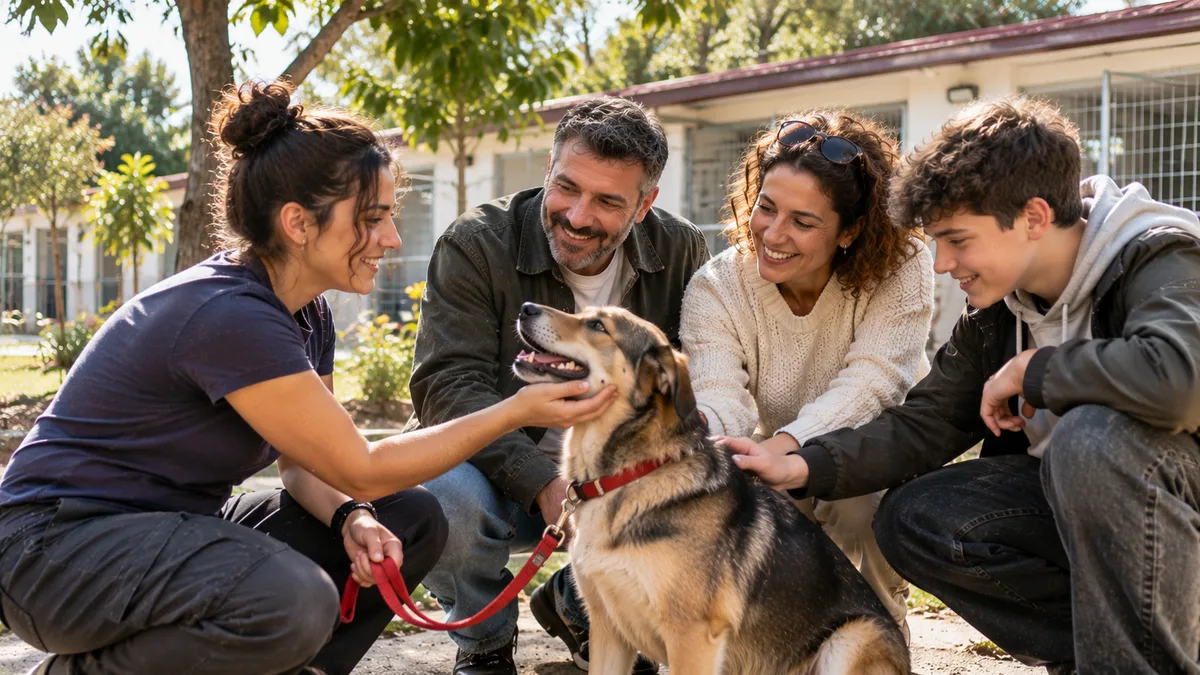
No. The law regulates keeping cats and dogs at sales outlets, not pet shops themselves. Going to a pet shop for food, litter, toys, a collar, or a carrier is perfectly legitimate shopping. Many businesses already sell only supplies and care products. Your neighborhood pet shop might even be where you buy food for stray animals.
Adopting instead of buying
Even though buying a cat or dog from a licensed breeding facility is legal, it's worth considering adoption before you decide. The law requires local governments to set up care facilities that look after ownerless animals "until they are adopted" (Article 4(j)). These animals are waiting for a home, and the people who end that wait are adopters.
Demand for buying feeds breeding; adopting opens a home to an animal that already exists. The personality of an animal adopted from a shelter or a volunteer is often known in advance; with an adult animal, you can decide while seeing what you're getting. The law's emphasis on spaying and neutering to prevent uncontrolled breeding (Article 4(k)) points the same way. You can find care facilities near you on the shelters page and look through the cat adoption and dog adoption guides. If you're not sure which animal fits your life, the Suggest a Pet for Me quiz is a good place to start.
Frequently Asked Questions
Is selling cats and dogs at pet shops completely banned?
No. What's banned is keeping cats and dogs at pet sales outlets. Cats and dogs from pet breeding facilities licensed by the Ministry may be sold at these outlets (Article 10).
When did the display ban start?
The sentence was added by Law No. 7332 in 2021 and, according to the law's list of amendments, took effect one year after publication, on July 14, 2022.
Can pet shops sell birds or fish?
The added sentence mentions only cats and dogs. For other pets, the health and cleanliness requirement (Article 10), the certificate obligation (Article 5), and the sales bans in Article 14 apply.
I saw a sick animal at a pet shop. What should I do?
An animal must be in good health when it's sold (Article 10). Write down what you saw and report it to the provincial or district Directorate of Agriculture and Forestry and to the municipality.
If you'd rather welcome a furry friend into your home than buy one, you can browse the adoption listings on DoldurKabı; listings are free. This article is for informational purposes only; for your specific situation, consult a lawyer or your provincial or district Directorate of Agriculture and Forestry.