


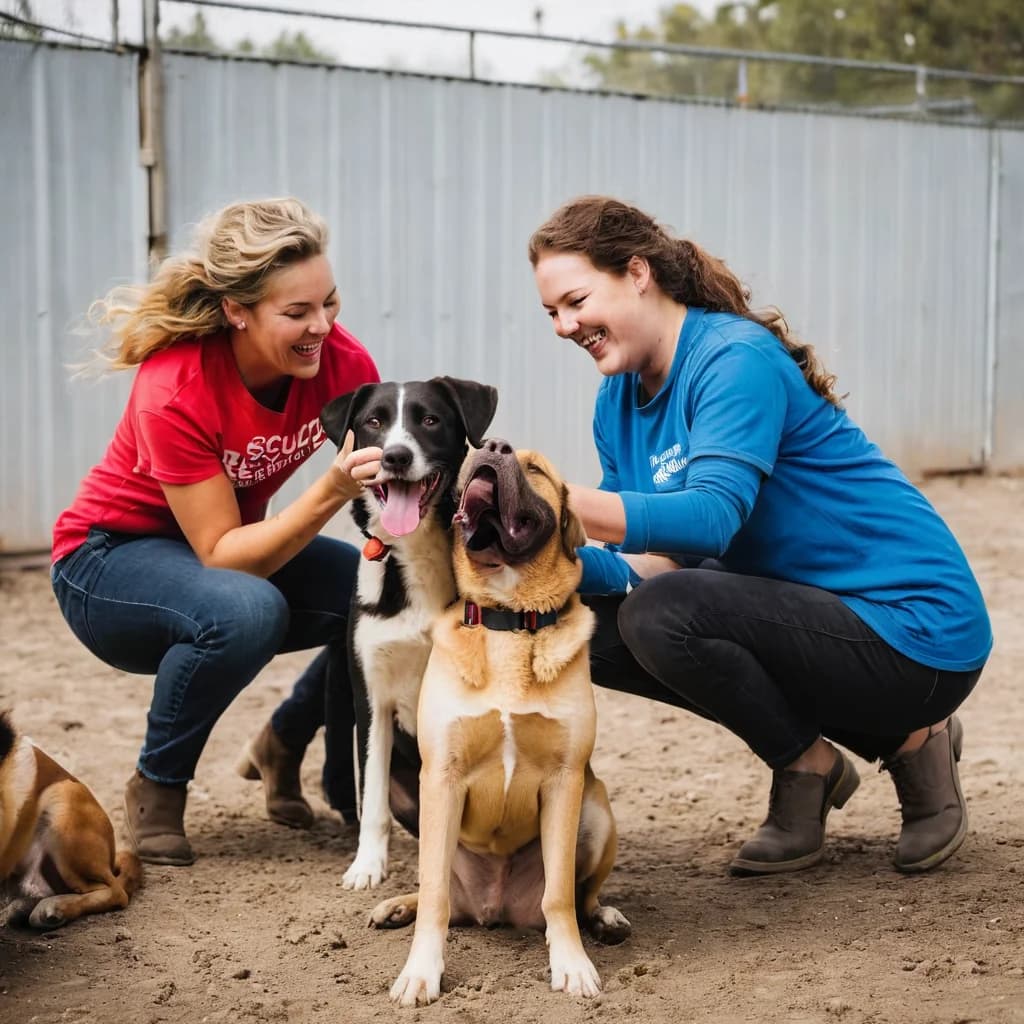

Even if you can't have a pet, you can still help: NGO volunteering, shelter visits, food donations, transportation, vet support. Active NGOs in Türkiye, the application process, commitment and social impact. You can love pets without owning one. In this article, we take a detailed look at volunteering with animal NGOs.
1. Animal NGOs and Volunteering
- Contribute to pets' lives without owning one.
- Fits your family, job, budget and home situation.
- Flexible contribution (weekly, monthly).
- Meaningful social impact.
- A way to test whether you are ready to adopt a pet.
- A lifelong hobby and social activity.
- Something kids and families can value together.
2. Active NGOs in Türkiye
- HAYTAP (Animal Rights Federation): Legal advocacy and awareness.
- HAYDER: A large Istanbul NGO.
- Pati Patileri: Adoption and care.
- SHKD (a stray animal protection association): Care and treatment.
- Local associations: Active in every city.
- Municipal shelters: Volunteer programs.
- Istanbul, Ankara and Izmir have 100+ NGOs.
3. Types of Volunteering
- Shelter visits: Socializing and caring for pets.
- Walking: Daily walks for dogs.
- Foster family: Temporary care at home.
- Transportation: Taking pets to the vet and driving visitors.
- Food donations: Regular product contributions.
- Money donations: Covering vet and care costs.
- Skills: Vet work, photography, web, social media.
- Events: Adoption days, fairs.
4. Foster Family (Temporary Care)
- A temporary home for sick, young and recovering pets.
- The NGO provides equipment and food.
- Vet care is coordinated by the NGO.
- The length is 2 weeks to 6 months.
- A bridge toward adoption.
- Less shelter stress for the pet.
- Critical for vulnerable pets.
- A "trial run" before becoming an owner.
5. Skill-Based Volunteering
- Veterinarian: Free treatment and surgery.
- Vet technician: Care and medication.
- Pet trainer: Socialization training.
- Photography: Photos for pet listings.
- Web and social media: NGO communications.
- Graphic design: Posters and flyers.
- Law: Animal rights cases.
- Driver: Pet transportation.
6. Ethics and Responsibility
- A regular commitment (weekly).
- Consistency for the pet = less trauma.
- Follow the NGO's rules.
- Pet knowledge (get training).
- Hygiene rules (zoonotic diseases).
- Vaccinations for yourself and the pets.
- Bonding with pets is normal (but owning ≠ volunteering).
- A professional attitude.
7. Types of Donations
- Food donations: Monthly dry/wet food.
- Medication: Parasite treatments, vitamins.
- Accessories: Collars, beds, toys.
- Financial donations: One-time or regular.
- Sponsorship: Cover the care costs of a specific pet.
- Vet fees: Surgery and treatment.
- Rent: Shelter space.
- Bequests: Ongoing financial support.
8. Adoption Events
- Pets meet potential owners.
- Parks, malls, event spaces.
- Organized by NGOs.
- Volunteers bring the pets and make introductions.
- Explaining the adoption process.
- Temporary stress for the pet.
- Help organizing on social media.
- Held regularly all year.
9. Family and Kids Getting Involved
- Kids visiting shelters (age-appropriate).
- They learn empathy and responsibility.
- A family activity together.
- Preparation for the decision to become an owner.
- Sharing a love of pets as a family.
- High educational value.
- Less pet stress = short visits.
- Ongoing involvement.
10. How to Get Started
- Research local NGOs.
- Apply online or get in touch.
- Orientation and training.
- Choose a type of volunteering (based on needs and time).
- Make a regular plan.
- Meet the other volunteers.
- Share the NGO's posts on social media.
- A long-term commitment.
- A meaningful impact on pets' lives.
- Not an owner, but you get that "owner" feeling.
Volunteering with an animal NGO follows a simple formula: shelter + fostering + donations + skills + adoption events + family involvement. You can make a meaningful contribution to pets' lives without owning one. It is a flexible yet regular responsibility, with social impact and personal value. In the DoldurKabı app, you can find a list of NGOs and volunteer application details on a map.









