


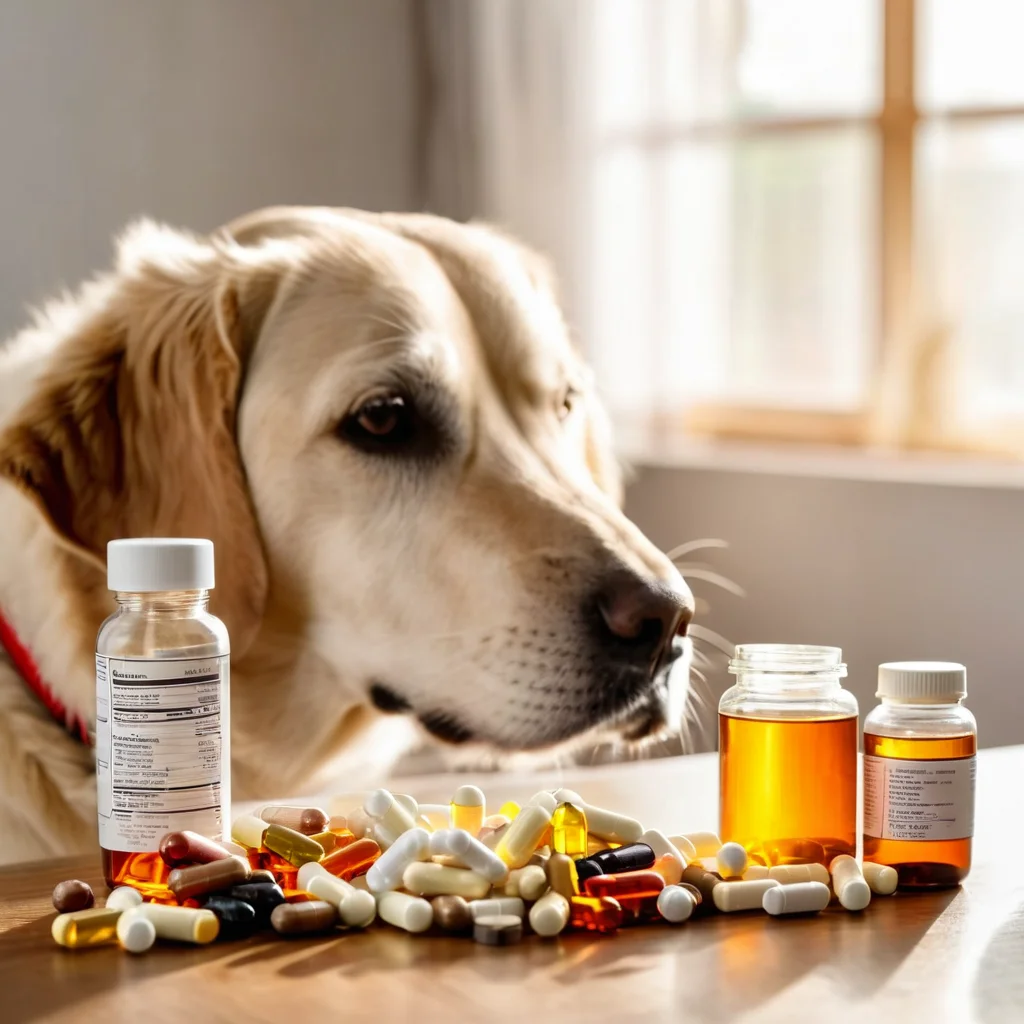

The pet supplement market is confusing: omega-3, glucosamine, probiotics, multivitamins. Which pets need them (seniors, sick pets, pets with allergies), which don't, careful dosing, consulting your vet. Is good-quality food enough, or are extras needed? In this article we look at pet supplements in detail.
1. When Supplements Are Needed
- A healthy pet on good-quality food: Usually NOT needed.
- Senior pets: Support for joints, heart and mind.
- Chronic illness: Specific supplements.
- Allergies: Skin and immune support.
- Homemade food: Vitamins and minerals are essential.
- Pregnant and nursing: Extra nutrition.
- Athletic pets: Joint protection and energy.
- After surgery: Support for healing.
2. Omega-3 (Fish Oil)
- EPA and DHA from fish oil.
- Anti-inflammatory.
- Skin and coat health.
- Joint support.
- Heart and brain protection.
- Ideal for senior pets.
- Dose: 30-50 mg/kg/day EPA+DHA.
- Vet-approved pet products (Nordic Naturals, Welactin).
- Be careful with human fish oil (high in vitamin D).
3. Glucosamine and Chondroitin
- Protects joint cartilage.
- Ideal for arthritis and senior pets.
- Preventive for large breeds.
- Dose: glucosamine 20-30 mg/kg, chondroitin 10-15 mg/kg.
- Takes effect after 3-6 months.
- Brands: Cosequin, Dasuquin, Nutramax.
- MSM can be added as an extra.
- Pets love soft chewable tablets.
4. Probiotics
- Digestive health and immunity.
- Ideal after antibiotics.
- Stress and travel.
- Diarrhea and constipation.
- Pet-specific strains (different for dogs and cats).
- Brands: Purina Fortiflora, Proviable, VetriScience.
- Powder or capsule.
- A 2-4 week course.
5. Multivitamins and Minerals
- ESSENTIAL for homemade food.
- USUALLY NOT NEEDED for pets on commercial food.
- Risk of vitamin D toxicity (human products).
- Pet-specific products (Nutri-Vet, Pet-Tabs).
- Dosing as your vet recommends.
- Sometimes needed for senior and sick pets.
- Special formulas for puppies and kittens.
6. Antioxidants
- Vitamins E and C, beta-carotene.
- Claimed to slow aging.
- Supportive care in cancer.
- Scientific support is mixed.
- Toxic in overdose.
- Vet approval is essential.
- An extra for senior pets.
7. Immune Support
- Pet-specific products (Imuno-2865).
- Beta-glucan.
- Echinacea (its effect is debated).
- L-lysine (feline herpesvirus).
- Periods of stress and low immunity.
- For families with children and elderly members.
- Regular use.
8. CBD for Pets
- Cannabidiol for pets (THC is NOT ALLOWED).
- Anxiety, pain and epilepsy.
- Its legal status in Türkiye is unclear.
- The science is at an early stage.
- Dose: 0.1-0.5 mg/kg.
- Pet-specific formulas.
- Vet approval is essential.
- For adult pets.
9. Trendy but Weak on Science
- Pet superfoods (chia, spirulina): NOT needed.
- Detox cleanses: a pet's liver detoxes on its own.
- Pet kombucha: bacterial risk.
- Miracle anti-aging products.
- A "natural" label promises nothing.
- Marketing > science.
- Vet warning.
- Don't spend money unless it's needed.
10. Tips for Giving Supplements
- Consulting your vet is essential.
- Certified products (the NASC seal in the US).
- Made for pets (human products are NOT ALLOWED).
- A clear dose.
- Watch for side effects.
- Mixing it into food is fine.
- Make sure your pet actually takes it.
- Give it regularly.
- A yearly review with your vet.
Pet supplements follow a formula: omega-3, glucosamine and probiotics as the basics, your vet's advice, a multivitamin as a must for homemade food, and a careful eye on marketing. For a healthy pet, good-quality food is enough. Sick, senior or homemade diet = supplements. Overuse is a risk. Vet expertise and pet-specific products. In the DoldurKabı app you can find a map listing vets with nutrition expertise.









