


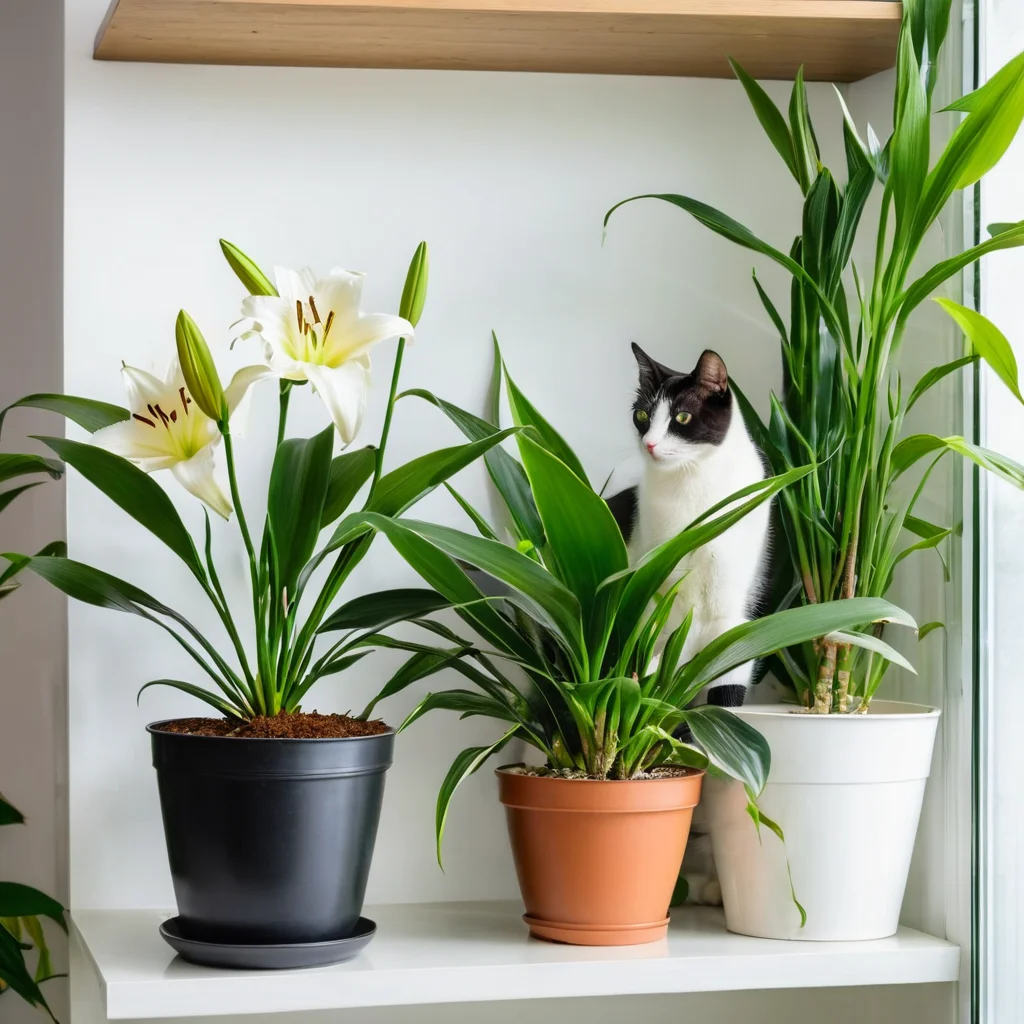

Indoor and garden plants that are toxic to pets: sago palm, lily (deadly for cats), oleander, azalea, tulip, daffodil, philodendron, monstera. Chewing or swallowing them means symptoms and a risk of death. Which plants, which symptoms, what first aid and what the vet's emergency protocol looks like. In this post we take a detailed look at plants that are toxic to pets.
1. The Most Dangerous (Deadly)
- Lily (every type): DEADLY for CATS. Even a single leaf can cause kidney failure.
- Sago palm: All parts cause liver failure. The seeds are the most severe.
- Oleander: Heart rhythm problems, death.
- Azalea and rhododendron: Nausea, heart effects.
- Lily of the valley: Cardiac glycosides.
- Foxglove (digitalis): Heart.
- Yew: Heart.
- These plants should not be in your home or yard when you have pets.
2. Common Houseplants (Moderate Danger)
- Philodendron: Stomach irritation, mouth pain.
- Monstera deliciosa: The same oxalate crystals.
- Pothos (Devil's ivy): Mouth and throat irritation.
- Peace lily: Not a true lily, but irritating.
- Dieffenbachia (dumb cane): Mouth swelling, difficulty swallowing.
- Aloe vera: Digestive problems.
- Begonia: Mouth irritation.
- Caladium: Oxalate irritation.
3. Garden Plants
- Tulip and bulbs: Digestive upset, lethargy.
- Daffodil: Vomiting, diarrhea, heart effects.
- Hyacinth: Irritation plus heart effects.
- Iris: Digestive upset.
- Cyclamen: Vomiting.
- Wisteria: Serious digestive upset.
- Kalanchoe: Heart and digestive effects.
- Holly: Digestive upset plus sedation.
- Mistletoe: Digestive and cardiovascular effects.
4. Pet-Safe Plants
- Spider plant.
- Boston fern.
- Areca palm.
- Calathea.
- Maranta.
- Christmas cactus.
- Hibiscus.
- Roses.
- Sunflower.
- Marigold.
- African violet.
- Bamboo.
5. Signs of Poisoning
- Vomiting and diarrhea.
- Excessive drooling and foaming.
- Swelling around the mouth.
- Loss of appetite.
- Lethargy and fainting.
- Dizziness and loss of balance.
- Changes in the pupils.
- Changes in heart rhythm.
- Convulsions (tremors).
- Difficulty breathing.
6. Lilies in Detail (Deadly for Cats)
- Flower, leaf, stem, pollen: all of it is toxic.
- Even a cat brushing against pollen and licking it off is enough.
- Symptoms: kidney failure within 12-72 hours.
- Stage 1: Vomiting and lethargy.
- Stage 2 (24 hours): The cat seems to "recover."
- Stage 3 (48-72 hours): Kidney failure and death.
- Treatment success is high in the first 12 hours.
- Lilies should ABSOLUTELY NOT be in a home with cats.
7. Sago Palm in Detail
- Liver failure in dogs and cats.
- The seeds are the most severe.
- Symptoms appear within 15 minutes to 24 hours.
- Vomiting and bloody diarrhea.
- Jaundice (liver).
- Convulsions.
- Mortality is 50%+ even with treatment.
- This palm does NOT belong in a home with pets.
8. Emergency Response
- Move your pet away from the plant.
- Remove any pieces from its mouth.
- Note the plant name and an estimate of how much was eaten.
- Call a pet poison control line (if your country has one) and your vet.
- EMERGENCY vet visit, without waiting.
- Owners must NOT induce vomiting (it can cause harm in the wrong case).
- Activated charcoal is given by the vet.
- No symptoms? The vet may say "monitor," but go anyway.
9. Veterinary Treatment
- Inducing vomiting (IV apomorphine).
- Activated charcoal.
- Stomach pumping (severe cases).
- IV fluids (organ support).
- Antiemetics (vomiting control).
- Liver and kidney support medications.
- Hospitalization for 24-72 hours.
- Dialysis in severe cases.
10. Prevention
- When getting a pet, check your plants against a list.
- Research before buying a new plant.
- Keep plants out of reach (high shelves, hanging planters).
- If a kitten chews plants, remove the plants.
- Check the plants in your yard.
- Warn neighbors and family members who have pets.
- If a plant was swallowed, go to the vet as an EMERGENCY, without waiting.
- Check the ASPCA Pet Poison Control list for updates.
Plants toxic to pets: lilies (deadly for cats), sago palm and oleander are the most dangerous, while indoor monstera and philodendron are moderately dangerous. There are plenty of pet-safe alternatives. If in doubt, go to the vet as an EMERGENCY. Prevention means choosing houseplants carefully. Lilies and sago palms cannot be in a home with pets. The DoldurKabı app has a 24-hour emergency vet list and a poisoning protocol.









