


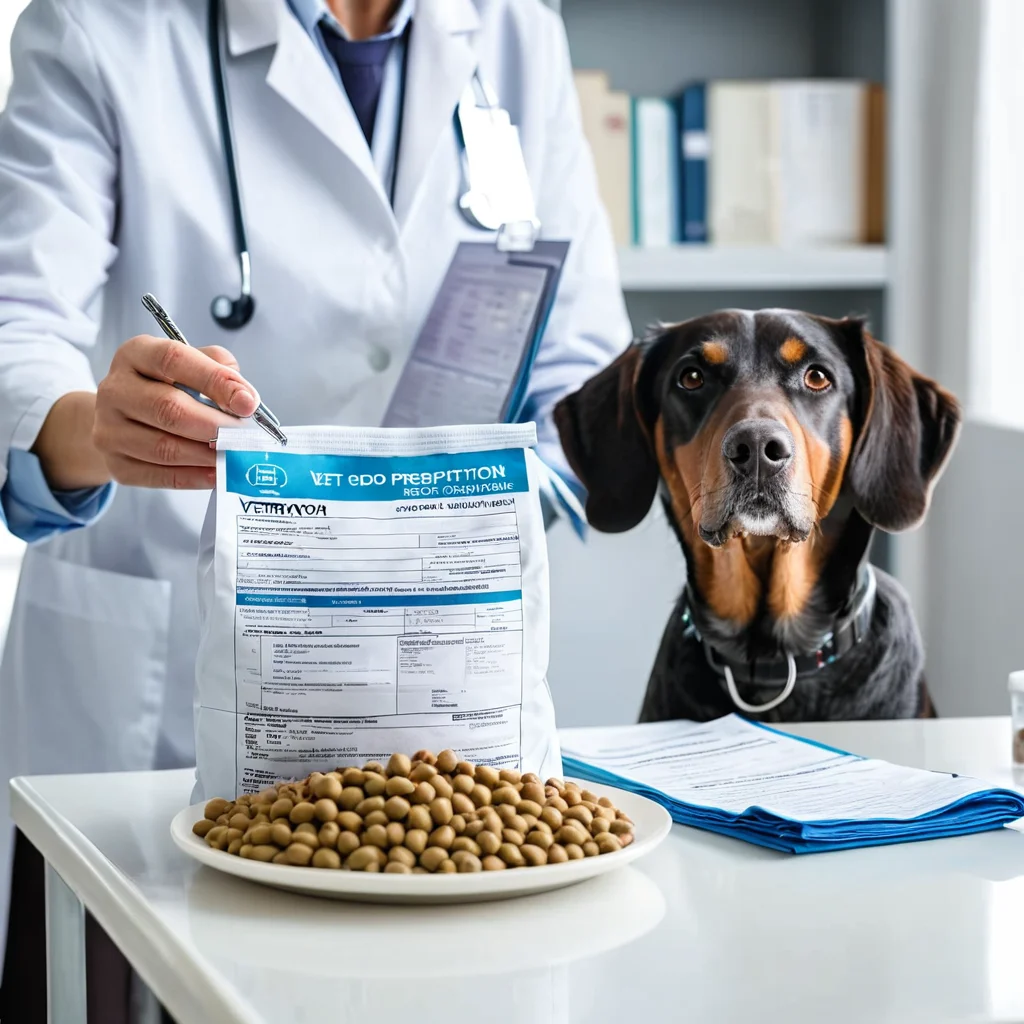

Hill's Prescription, Royal Canin Veterinary, Purina Pro Plan Veterinary: special food prescribed by a vet. For kidney, liver, bladder, allergy, diabetes and obesity. Costs and where to buy. Formulas backed by science for specific diseases. In this article we take a detailed look at prescription pet food.
1. What Is a Prescription Diet?
- A special-formula food prescribed by a vet.
- Management of a specific disease.
- Hill's, Royal Canin, Purina, Eukanuba.
- Backed by scientific clinical research.
- Vet prescription plus sale through vet clinics.
- For a pet's special needs.
- Part of treatment, used continuously.
- The main food in place of regular food.
2. Brands and Their Features
- Hill's Prescription Diet: A very wide range, backed by science.
- Royal Canin Veterinary: Breed- and disease-specific.
- Purina Pro Plan Veterinary: A common option.
- Iams Veterinary: A budget alternative.
- Eukanuba Veterinary: Some specific formulas.
- In Türkiye, Hill's and Royal Canin are the most common.
- NOT sold in pharmacies, only at vet clinics.
3. Food for Kidney Disease
- Hill's k/d, Royal Canin Renal.
- Low protein (high quality).
- Low phosphorus.
- Low sodium.
- Omega-3 (anti-inflammatory).
- Antioxidants.
- A common disease in senior cats and dogs.
- Lifelong use.
4. Food for Diabetes
- Hill's w/d, Royal Canin Diabetic.
- High fiber (stabilizes blood sugar).
- Low fat and carbohydrates.
- High protein.
- Regular portions.
- Used together with insulin treatment.
- Helps with weight control.
- Lifelong.
5. Food for Obesity (Weight Loss)
- Hill's r/d, Royal Canin Satiety.
- Low calorie.
- High fiber (feeling of fullness).
- High protein (preserves muscle).
- Your pet feels "not hungry".
- A target weight plan from your vet.
- Regular weigh-ins.
- Switch back to regular food 3-6 months after reaching the target.
6. Food for Allergies
- Hill's z/d, Royal Canin Hypoallergenic.
- Hydrolyzed protein (does not trigger allergies).
- A single protein source (testing a novel protein).
- An 8-12 week trial (elimination).
- Allergy symptoms decrease.
- Expensive for pets, but effective.
- For pets with atopy and IBD.
7. Bladder (Urinary) Food
- Hill's c/d, Royal Canin Urinary S/O.
- Prevents urinary stones.
- pH adjustment.
- Balanced minerals.
- Low magnesium.
- Encourages water intake (wet food).
- A common problem in cats.
- Prevents blockage in male cats.
8. Liver (Hepatic) Food
- Hill's l/d, Royal Canin Hepatic.
- High-quality protein (moderate amount).
- Low copper.
- High zinc.
- Antioxidants.
- For pets with liver failure.
- Copper storage disease (Bedlington).
- Vet monitoring.
9. Digestive Sensitivity
- Hill's i/d, Royal Canin Gastrointestinal.
- For pets with a sensitive stomach.
- Prone to diarrhea and vomiting.
- Highly digestible protein.
- Balanced fiber.
- Probiotics in some formulas.
- Transition after surgery.
- For pets with IBD.
10. Costs and Access
- Premium price, 2-3 times that of regular food.
- 2 kg bag
- 12 kg bag
- Canned wet food
- Buy only from vet clinics.
- Online vet clinics (limited in Türkiye).
- Vet approval plus prescription.
- Some coverage from pet insurance (private insurance).
- Keep regular stock and buy on schedule.
The fee depends on the city, whether it is a clinic or a hospital, after-hours visits, imaging or hospitalization, and the animal's weight and age. Each city's Chamber of Veterinarians (Veteriner Hekimleri Odası) publishes a yearly minimum fee schedule; the schedule is a floor, not the final bill. Ask the clinic for a written or verbal cost estimate.
A prescription diet follows the formula vet-prescribed + disease-specific + backed by science + expensive + lifelong use. For a sick pet, it is a core part of treatment. Your vet team makes the decision. Ongoing vet monitoring. A quality formula brings results. In the DoldurKabı app you can find vet clinics and a list of prescription food on a map.









