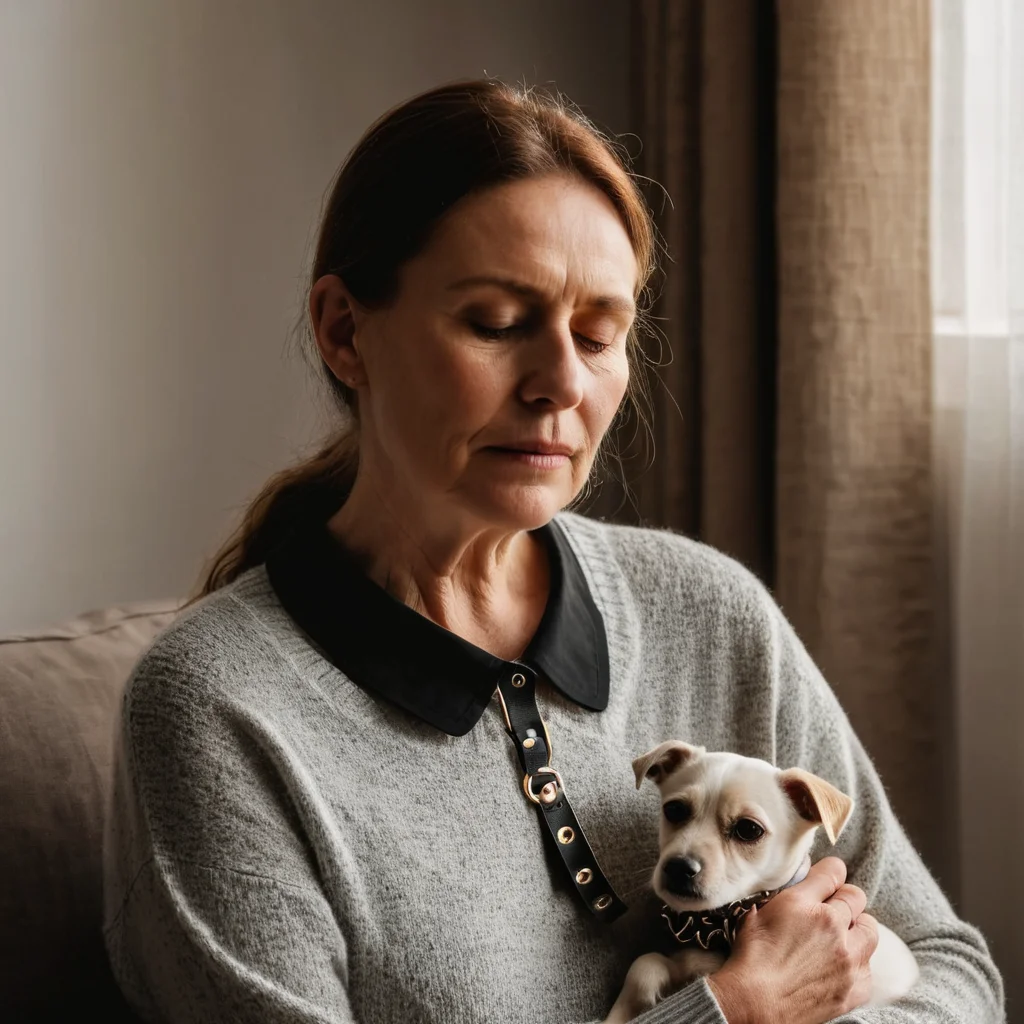

If you are writing a listing for a puppy or kitten you have been caring for, a cat you found on the street, or a dog you are looking to rehome because you can no longer care for it, what you are really looking for is a match. The goal is not for the listing to reach a lot of people, but to reach the right person. That means the listing needs to be an honest, warm piece of writing that describes the animal as it really is.
In this post, we explain how to prepare the photos, description and health information in an adoption listing, and then how to talk with potential families.
Title: short and informative
In listing feeds, people see the photo first and then the title. Titles like "Urgent home needed" or "Super cute cat" are on every listing and tell the reader nothing new. Instead, choose a title that introduces the animal in a few words: "Calm two-year-old female cat, spayed" or "Young male dog, great with kids." With a title like this, readers can tell whether it is a fit for them before they even open the listing.
Also avoid pressuring phrases. Sentences like "Will be left on the street if no home is found" sometimes bring quick applications, but they also bring decisions made without thinking. Calm, clear language attracts families who decide thoughtfully.
Photos: the first impression
People open a listing because of the photo. So taking a few minutes to get good shots can change the listing's fate.
- Shoot in daylight. A spot with natural light, like by a window or on a balcony, shows the true coat color.
- Get down to eye level. Photos taken from above make the animal look small and distant. Crouch down and shoot from their level.
- Show their personality. Playing, sleeping, sitting on a lap. A few different moments help the reader get to know them.
- Keep the background simple. A messy room or busy floor is distracting.
- Keep it current. A baby photo from a few months ago may not reflect how they look today.
Description: as they really are
It is completely natural to want to praise them when writing the listing. But general sentences like "very well-behaved, adapts to anything" appear on every listing and are often not quite true. Write details that will come to life in the reader's mind:
- "In the morning, she comes to the foot of the bed and wakes you up meowing."
- "Keeps his distance from strangers on the first day, and is in your lap by the second."
- "Loves playing with a ball and is just getting used to walks on a leash."
Write what they dislike, too
Honesty is the key to finding the right family. Hiding what the animal struggles with can lead to them being returned a few weeks later. If they do not get along with other cats, bark when left alone, or are wary of kids, write it down. That way, the listing reaches people who can offer a life that suits those traits. Saying "suited to living as an only cat" is not a flaw; it is information.
Basic information: complete and clear
Including this information in the listing makes it easier for a potential family to decide:
- Species, estimated age, sex and size
- Whether they are spayed or neutered
- Vaccines and parasite treatments given
- Any known health problem or regular medication
- Litter box or outdoor potty habits
- The city and district they are in
When giving health information, write only what you know. If you are unsure about something, saying "no vaccination record, status unknown" is better than giving wrong information. This way, the potential family also plans a vet checkup as their first step.
What kind of home are you looking for?
At the end of the listing, you can briefly describe the home you imagine for the animal. This naturally cuts down on unsuitable applications.
- "A home with netting on the balcony and windows"
- "A family where they will not be left alone for long hours during the day"
- "A home with no other pets"
- "Someone who can go on long walks"
Write these sentences in an explanatory tone, not a judgmental one. Readers should be able to see themselves in the listing, or easily tell that it is not a fit for them.
Talking with potential families
Once the listing goes live, messages start coming in. You do not have to have long conversations with everyone, but a few questions help you choose the right person. It feels friendlier to ask these questions while messaging or on the phone rather than writing them in the listing:
- Have you adopted a pet before? Do you currently have other pets at home?
- Who lives in the home, and is everyone on board with this decision?
- Are you renting, and does your landlord allow pets?
- How many hours a day will the animal be alone?
- What do you plan to do if you move, go on vacation or take a long trip?
- What are your thoughts on vet checkups and vaccines?
Rather than whether the answers are right or wrong, look at how thoughtfully the person approaches the subject. Someone who says "I had never thought about that, but you are right" can also be a good family.
Signs to watch out for
Think twice before moving forward with people who want several animals at once, want to take the animal right away without meeting them, get annoyed when asked questions, or ask you to ship the animal to another city by cargo. If something does not feel right, saying "no" is entirely your right.
For puppy and kitten listings
If you are posting a listing for a kitten or puppy, it is good to mention a few extra things. Write how many weeks old they are, whether they have been weaned from their mother's milk, and whether they are eating food. Getting a veterinarian's opinion on when young animals can be separated from their mother is important for their health and behavioral development.
A young pet's vaccine schedule is usually completed in the new home. Adding which vaccines have been given and when the next ones are due to the listing or the handover note helps the new family not miss the schedule. You can also remind the new family about the right time for spaying or neutering.
Handover and after
It is good to meet the family face to face before handing over the animal. If possible, seeing the home or doing the handover at their place lets you know where the animal is going. Some people who rehome animals prepare an adoption agreement; it puts both sides' expectations in writing.
It is also natural to ask the new family for a few photos or a short update in the first weeks. If you talk about this from the start, no one feels like they are being watched. If things do not work out, ask them to bring the animal back to you rather than giving it to someone else.
Where should you share the listing?
Spreading the word to people around you, at work, in your building's group chat and on social media is the first step. In addition, by creating an adoption listing, you can make sure it shows up where people who want to adopt are looking. On DoldurKabı, listings go live after approval, and the app prepares a poster ready to share. To see how other listings are written, you can also take a look at the adoption listings.
Frequently Asked Questions
Does writing an animal's negative traits in the listing make adoption harder?
It may slightly reduce the number of applications, but the ones that come in will be a better fit. An honest listing lowers the chance of the animal being returned a few weeks later.
What questions should I ask a potential family?
Asking who lives in the home, whether there are other pets, whether the landlord allows pets, how long the animal will be alone during the day, and how they view vet care is a good start.
Can I send the animal to another city?
It is possible, but it takes care. It is important to video call the family beforehand, choose a reliable transport method, and know the person receiving the animal. Be cautious of people who insist on cargo shipping without meeting the animal.
Should I ask for a fee for adoption?
Adoption is not a sale; it is the process of finding the right home for the animal. Rather than asking for a fee, focusing on meeting the family, asking questions and talking about staying in touch after the handover is a better approach.