


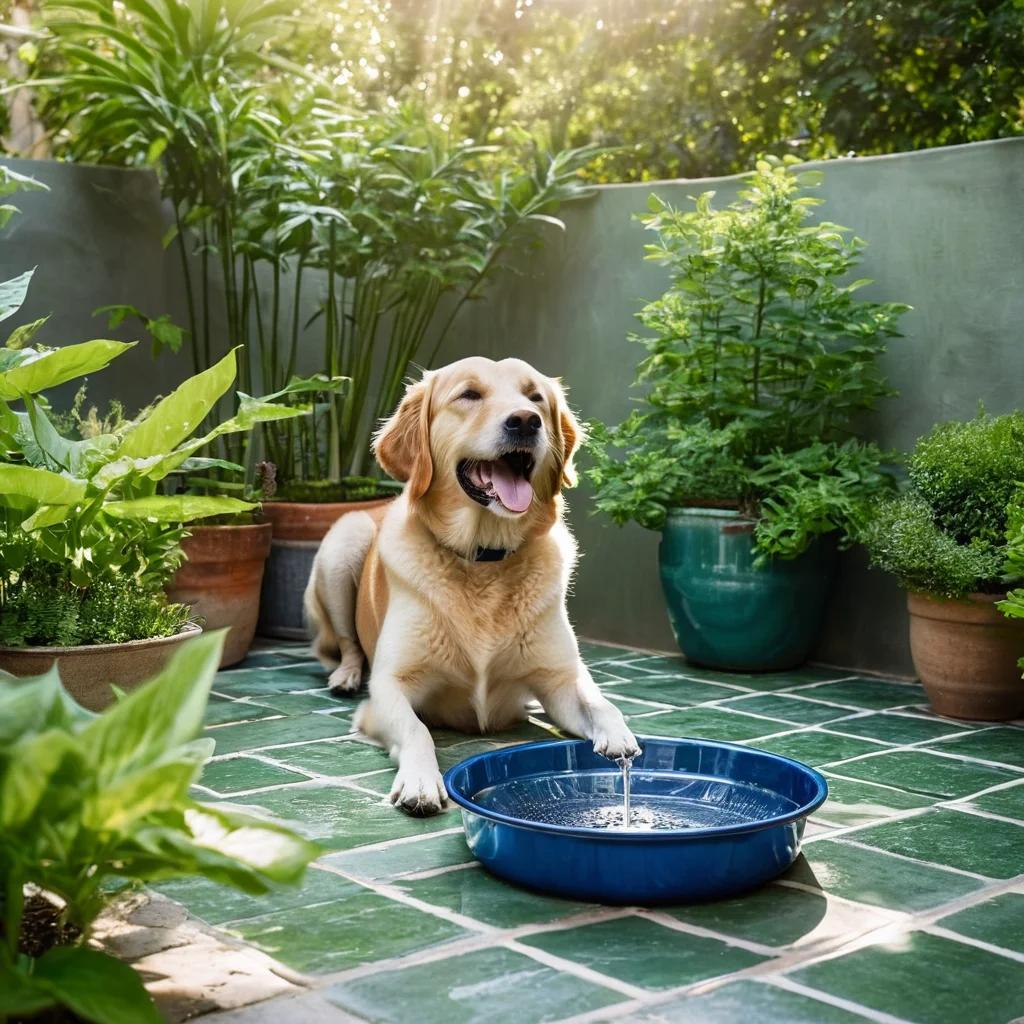

Summers in Türkiye are one of the deadliest times of year for pets. Dogs and cats can't sweat the way we do. They shed heat only by panting and by sweating a tiny amount through their paw pads. When the air temperature gets close to body temperature, that system can't keep up, and heatstroke sets in. Only minutes can pass between the first signs and death. But with the information in this article, you can prevent most cases, and if it does happen, the right response can save a life.
Important note: this guide is for general information. If you have any doubt, contact your vet right away. Heatstroke is a veterinary emergency.
1. What Is Heatstroke and How Does It Happen?
The normal body temperature of a dog or cat is between 38 and 39.2 °C. Above 39.5 °C is a fever; above 41 °C counts as heatstroke (hyperthermia). At 42 °C and higher, protein denaturation begins, which means the body's cells start to coagulate. Staying at that temperature for more than half an hour leads to multiple organ failure.
Heatstroke doesn't only happen in the sun. It can develop in a closed car (the temperature rises by 10 °C in 5 minutes), on a poorly ventilated balcony, during intense exercise, and even at home in humid, still air when there's no air conditioning.
2. Risk Groups: Which Animals Are More Vulnerable?
- Brachycephalic (flat-faced) breeds: Bulldog, French Bulldog, Pug, Boxer, Persian cat, Himalayan, Exotic Shorthair. Their airways are short and narrow, so they have less capacity to shed heat. Even an ordinary summer walk is a risk.
- Overweight pets: Body fat adds insulation, so heat leaves the body slowly.
- Senior pets (7+ years): Their heart and respiratory system are worn down.
- Puppies and kittens (under 4 months): Their thermoregulation isn't fully developed yet.
- Pets with chronic illness: Those with heart, kidney or lung disease face a multiplied risk in the heat.
If you have a pet in one of these groups, you need to be careful in extreme heat even outside the summer months.
3. Recognize the Early Signs: 7 Warning Signals
Heatstroke doesn't arrive as a sudden crisis; the body sends signals first. If you see any of these, start cooling your pet right away:
- Heavy, nonstop panting, with the tongue turning red or bluish.
- Excessive drooling that looks foamy and runs from the corners of the mouth.
- A change in gum color: bright red, or the opposite, pale.
- Weakness, trouble standing: swaying, being unable to sit down or get up.
- Vomiting or diarrhea (sometimes bloody).
- A racing pulse: 140+ beats per minute in a calm animal.
- Confusion, cramp-like spasms, fainting: at this point, time is extremely short.
4. 6 Emergency Steps for Heatstroke
- Move your pet to a cool place right away. An air-conditioned room, shade, a fan breeze. Get them out of direct sun.
- Take their body temperature. Use a rectal thermometer. In dogs and cats, above 39.5 °C is a warning and above 41 °C is an emergency.
- Wet them with lukewarm (15-20 °C) water, not cold: the back of the neck, the inner groin, under the paws. Do not use ice or cold water. Sudden vasoconstriction traps heat in the internal organs and makes things worse.
- A fan or an open window should keep air moving, because a wet body cools through evaporation.
- Offer a small amount of cool water. Drinking too much causes vomiting; let them take small sips if they want.
- Head to the vet. Even after body temperature drops to 39.5 °C, internal organ damage can be silent, so blood tests are a must. Keep the car air-conditioned on the way.
The goal: bring body temperature down to 39.5 °C within 30-40 minutes, and stop cooling once it gets there (overcooling carries a risk of hypothermia).
5. Prevention: 10 Rules for the Whole Summer
- Never leave your pet alone in a closed car. On a 25 °C day, the inside of a car reaches 35 °C in 10 minutes and 45 °C in 30 minutes. The people who say "I'll be right back" are the ones who end up with a tragedy.
- Walk times: Between 7 and 9 a.m. and between 7 and 9 p.m. Don't go out at midday unless you have to.
- The asphalt test: Put the back of your hand on the asphalt for 5 seconds. If you can't stand it, it will burn their paws. Paw burns on dogs aren't visible, but they hurt.
- Constant access to clean water: In more than one bowl, in every room. If you go outdoors, bring a portable water bottle.
- Shade, shade, shade: A shade tent in the yard, an awning on the balcony, and a bed indoors away from sunny rooms.
- A cooling mat or gel pack: gel mats placed under the bed make a dog or cat bed more comfortable.
- Coat care: Brush long-haired pets weekly. Don't shave double-coated breeds (Husky, Pomeranian). The undercoat insulates and the top coat protects from the sun. Shaving increases heat and the risk of skin burns.
- Avoid overexercise. Move high-energy activities like fetch, running and frisbee to the cooler hours.
- Air conditioning or a fan: Run the air conditioner with the windows closed; if your cat is left alone on the balcony, give them a shaded, well-ventilated corner.
- An early-summer checkup for brachycephalic breeds: a breathing check, listening to the heart, a blood test. Book an appointment with a vet near you before June.
6. Common Mistakes in the Summer Months
- Dunking the pet in ice water: it causes vasoconstriction.
- "There's no AC, so we're stuck": wrapping your pet in a wet towel and ventilating the room is often enough to save them.
- Thinking "5 minutes in the car won't hurt": fatal hyperthermia can start in just 5 minutes.
- A bed that's too thick: in summer, use a thin bed made of breathable fabric.
- Leaving your pet at an unfamiliar hotel during a vacation: heatstroke is common in places with poor shade and ventilation. Arrange a place through pet shops and pet food stores or through people you know.
7. Protecting Stray Animals Too
In the summer heat, a little help for the cat outside your building or the dog in the park can save a life:
- Put out a clay or ceramic water bowl (not plastic) in front of your place, because the water stays cooler.
- Leave a few liters of fresh water in a shady corner of your building and refresh it every evening.
- For an injured or unconscious animal you find, contact a nearby vet or your municipality's veterinary services (153, the municipal hotline).
8. Frequently Asked Questions
Can I cool my dog down in a swimming pool?
Yes, it's a good method if your dog is comfortable with it and the pool isn't too cold. Ease them in slowly instead of letting them jump straight in. Never leave a dog that can't swim alone. After a chlorinated pool, rinse their paws and eyes with fresh water.
Is air conditioning harmful to pets?
Not when it's used correctly. Very low temperatures (18 °C and below) are cold for dogs and cats; 22-25 °C is recommended. Don't put your pet's bed in the direct airflow, since it can cause a sore throat.
Should I skip walks with my brachycephalic dog in summer?
Instead of banning walks completely, go for short 10-15 minute outings early in the morning (07:00-08:00) and late at night (after 21:00). Bring portable water and take shade breaks. If the brachycephalic airway syndrome is advanced, ask your vet for a list of exercise recommendations.
What is the outlook for a dog that recovers from heatstroke?
In mild cases, full recovery is common with 24-48 hours of observation, IV fluids and blood work. In severe cases (dogs that had seizures or lost consciousness), liver and kidney damage can be permanent, and stricter precautions are needed in future summers. A pet that has had heatstroke once is more susceptible to a second episode.
Does shaving the coat keep them cooler?
NO for double-coated breeds. The undercoat does the insulating, and the top coat reflects the sun. Shaving increases heat, adds a risk of skin burns, and can damage the coat in the long run. A summer trim may be fine only for long-haired breeds with a single straight coat (like the Maltese or Yorkshire), and even then the skin should not show.
What should I do when traveling by car in summer?
The car should be well ventilated and air-conditioned, with frequent breaks. Your pet should ride in a carrier secured with a seat belt, on a seat out of direct sun. Bring water, a cold towel and a thermometer. At rest stops, give them water in the shade.
Final Word
In the summer months, a reminder as simple as a fridge magnet can save a life: "Can their paws handle the asphalt? Is the water bowl full? You didn't leave them in the car, right?" When you ask these three questions every day, summer becomes a happy season for your furry friend.
If you set up a pre-summer checkup date as a reminder in DoldurKabı Pet Health Tracking, you won't forget to have your brachycephalic or senior pet checked at the start of every season.
This guide is for general information; if you suspect heatstroke, always contact your vet first.









