
In short: A cat or dog you take in from the street and bring home does not automatically become "owned" under Animal Protection Law No. 5199. The law defines an owned animal as a pet that has been adopted, whose care, vaccines and periodic health checkups are done, and that is registered in the Ministry database (Article 3/j). Cat and dog owners are also required to have their animals registered using digital identification methods (Article 4/k).
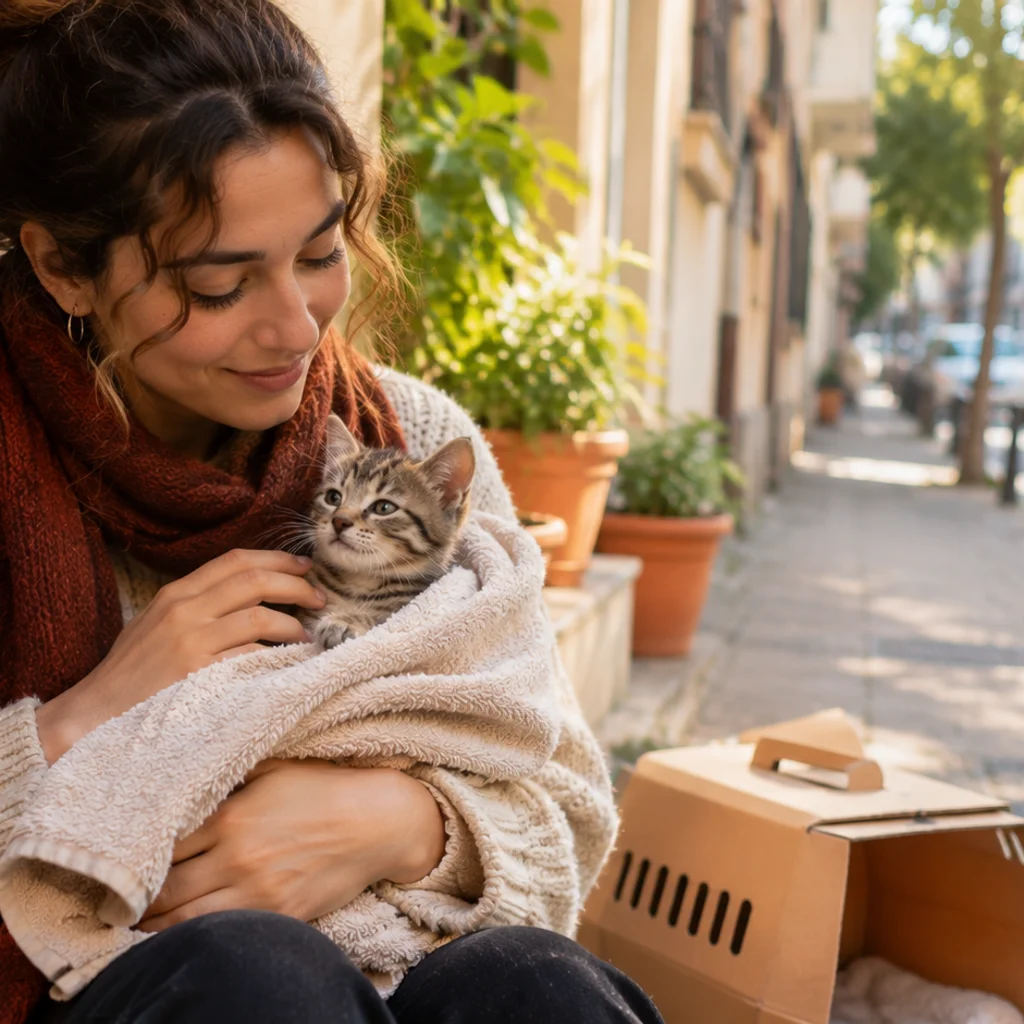
A kitten shivering at your door, a dog that has waited in the same spot in the parking lot for days, or an injured cat you found in your apartment building's yard. The moment you bring one home, the first question that usually comes to mind is: "Is it mine now?" The answer lies in the conditions the law sets for an "owned animal". In this post, based on the current text of Law No. 5199, we explain those conditions, the registration requirement and the practical steps you need to take.
How does the law define "ownerless" and "owned" animals?
The definitions article of Law No. 5199 was amended in 2024 by Law No. 7527. Since that amendment, the two definitions depend on each other. An ownerless animal means "pets other than owned animals" (Article 3/f). So to know whether an animal is ownerless, you first need to look at the definition of an owned animal:
Owned animal: pets that have been adopted by a person, organization, institution or legal entity, whose care, vaccines and periodic health checkups are done, and that are registered in the Ministry database, (Law No. 5199, Article 3/j)
The conditions in the definition are joined with "and". So according to the text, all of the following must be present together for an animal to count as owned:
- Adoption: A person or institution has adopted the animal.
- Care: Its shelter, food and daily needs are met.
- Vaccines: The animal's vaccines are done.
- Periodic health checkups: Regular checkups with a vet.
- Registration: The animal is registered in the Ministry database.
"The Ministry" in the law refers to the Ministry of Agriculture and Forestry (Article 3/o). Bringing the animal home only starts the first of these conditions. If the vaccines have not been done, there has been no vet checkup and the animal has not been registered, it does not yet meet the law's definition of an owned animal, even if it lives in your home.
| Situation | Under the law's definition |
|---|---|
| You took it in from the street and have not seen a vet yet | Article 3/j conditions not met |
| Vet checkup and vaccines done, no registration | Registration condition missing |
| Care, vaccines, checkups and registration in the Ministry database all done | Matches the owned animal definition in Article 3/j |
A note: these definitions apply within Law No. 5199 itself. If you end up in a dispute with someone else over who the animal belongs to, these definitions alone may not settle it; in that case you should get advice from a lawyer.
Identification and registration: what does the law require?
Registration is not only part of the definition; it is a separate obligation for cat and dog owners. The law states it plainly in its principles article:
Cat and dog owners are obliged to have their animals registered using digital identification methods. (Law No. 5199, Article 4/k)
The same subparagraph says the procedures and principles for digital identification will be set by a regulation issued by the Ministry. The last paragraph of Provisional Article 4 gave cat and dog owners until December 31, 2025 to complete this registration. That date has passed, while the obligation in Article 4/k remains in the text as a general rule with no deadline attached. The law provides for an administrative fine per animal for those who do not comply (Article 28/a).
The law does not spell out where or with which documents the registration is done. So it makes sense to ask your veterinarian or the city or district directorate of agriculture and forestry.
If you took in an animal from the street: step by step
- Check whether it is really ownerless. A collar, a name tag or a well-groomed look can mean the animal is lost. Ask around the neighborhood, look at notices nearby and browse lost pet listings. If the animal is registered in the Ministry database in someone else's name, it is already someone's owned animal under Article 3/j.
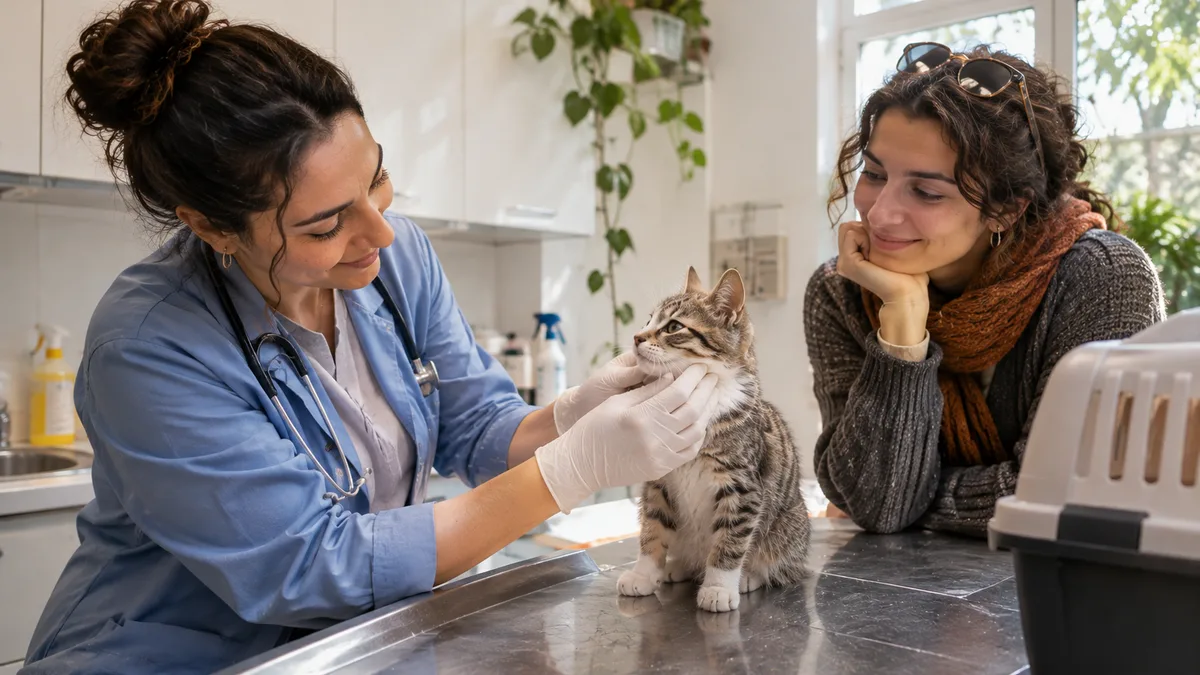
- Take it for a vet exam. The veterinarian assesses its general health, parasites and vaccine needs, and can also check whether the animal carries a digital ID. You can find clinics near you in the vet directory. The law says medical and surgical procedures on animals may be performed only by veterinarians (Article 7).
- Set up a vaccine and checkup schedule. The condition "whose vaccines and periodic health checkups are done" describes regular follow-up, not a one-time step. Plan the schedule together with your vet.
- Get it registered. Digital identification and registration in the Ministry database are required both by the definition in Article 3/j and by the obligation in Article 4/k.
- Talk about spaying/neutering. To prevent uncontrolled breeding, the law takes as its principle that cats and dogs fed and kept in shared living spaces are spayed or neutered by their owners (Article 4/k).
Adopting also brings responsibility
From the moment you adopt the animal, the obligations the law places on owners pass to you too. The adopter is obliged to house the animal, meet the ethological needs of its species, look after its health and take the measures needed for human, animal and environmental health (Article 5). Taking measures to prevent harm or disturbance the animal might cause others is also the owner's duty, and damages arising from failing to take timely measures must be compensated (Article 5).
Another important rule is the ban on abandonment. The law prohibits abandoning a pet (Article 14/n) and sets an administrative fine per animal for breaking this ban (Article 28/j). Putting an animal you brought home and cared for back on the street a few weeks later may fall under this ban. So before you decide, weigh your time, budget and lifestyle honestly.

Why adoption matters: an animal's life changes
Adopting an animal that lives on the street or in a shelter means regular meals, health follow-up and a safe home for it. The law embraces this approach as a principle too: it is fundamental to encourage those who wish to adopt ownerless animals with humane and conscientious responsibility, without seeking any material gain or benefit (Article 4/d).
Adoption also has an effect on demand. Every puppy or kitten that is bought feeds demand for breeding, while every adopted animal opens a home to a life that already exists. A spayed or neutered and registered animal also helps prevent uncontrolled breeding. You can also look at shelters in your city for animals waiting for a home.
Frequently Asked Questions
What happens if I don't register the cat I took in from the street?
Without registration, the animal does not meet the conditions of the owned animal definition in Article 3/j. In addition, breaching the digital identification obligation for cat and dog owners (Article 4/k) carries an administrative fine (Article 28/a).
What should I do if the owner of the animal I found turns up?
If the animal is registered in someone else's name, it is their owned animal under the law's definition. The right path is to contact the owner and return the animal. If a dispute comes up, consult a lawyer.
Do the same rules apply to dogs?
Yes. The owned animal definition covers all pets, and the registration obligation names cats and dogs together (Article 4/k). Watch for one exception: the law prohibits adopting animals the Ministry has designated as dangerous (Article 14/l). Until the Ministry's regulation on this takes effect, Provisional Article 3 lists the Pitbull Terrier, Japanese Tosa, Dogo Argentino, Fila Brasileiro and their mixes in this group. The Ministry's circular dated December 7, 2021 (2021/48) added the American Staffordshire Terrier and American Bully breeds to this list.
Is the process different if I found a kitten or puppy?
The law does not set a separate adoption rule for young animals. The same steps apply; since young animals can get sick quickly, it is important not to delay the vet exam.
If you are ready to open your home to an animal, you can browse adoption listings on DoldurKabı, and for an animal you found, check lost pet listings first.
This post is for information only; for your specific situation, consult a lawyer or your city/district directorate of agriculture and forestry.