


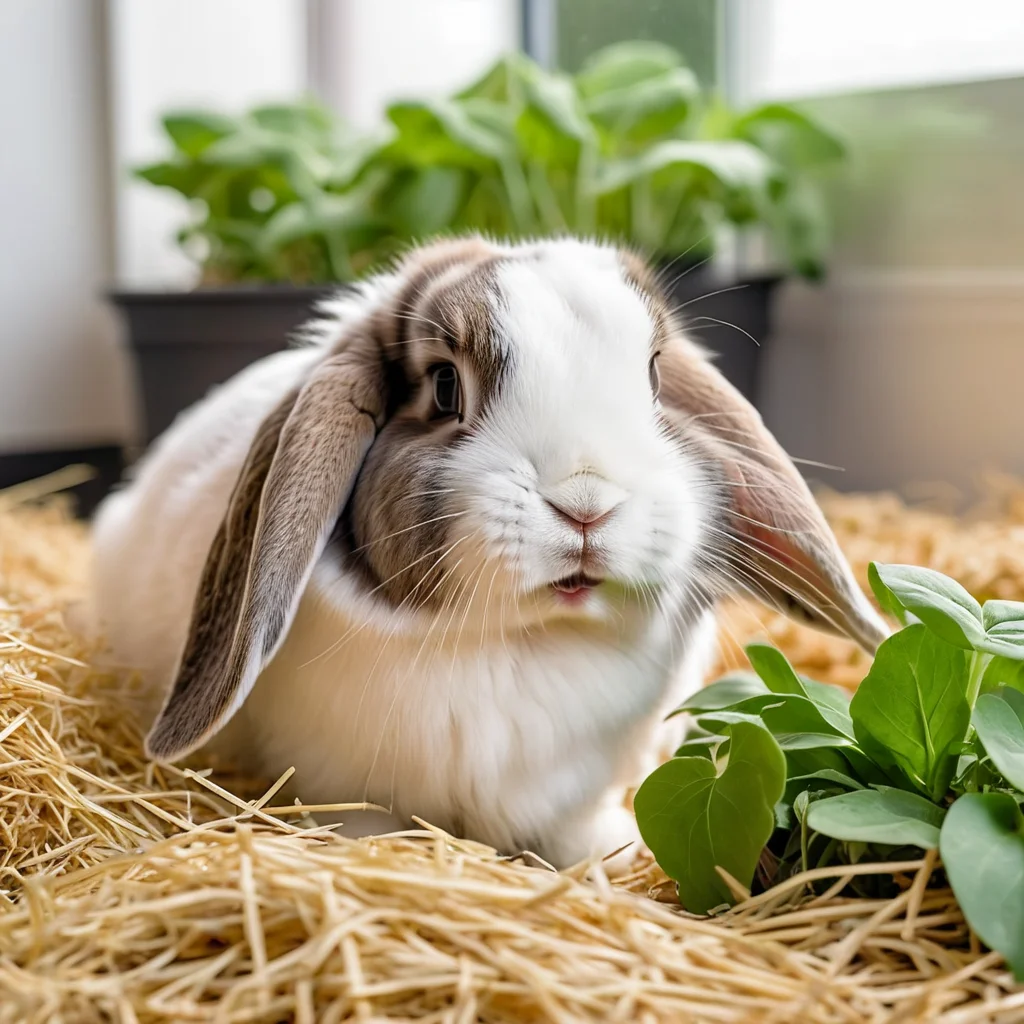

Rabbits are the third most common pet group in Türkiye and are getting more popular, but there is no well-known care culture around them like there is for dogs and cats. The result: the wrong cage, the wrong diet and delays in health care. Rabbits are social, smart animals that can live up to 10-12 years; with the right care, they make wonderful companions at home. This post covers the basics of rabbit care: diet, choosing a cage, health care and common mistakes.
Rabbit medicine is different from that of other pets. Look for an "exotic pet" vet; a regular cat and dog vet may not be trained in rabbit medications.
1. What to Know Before Getting a Rabbit
- Lifespan of 8-12 years (14+ with good care). It is a long commitment.
- Social: Living in pairs is ideal. A single rabbit bonds closely with its owner but gets stressed when left alone.
- A room-dweller, not a cage-dweller: A rabbit needs hours of free roaming.
- Quiet and gentle: Most do not like being picked up; they prefer that you sit on the floor and let them come to you.
- Spaying or neutering is a must: In female rabbits, the risk of uterine cancer after age 4 is 80%+.
- Chewing furniture: This is natural behavior, so protection is a must.
2. Cage / Living Space
Wrong: A Small Cage
Many of the "rabbit cages" sold in pet shops are completely inadequate for a rabbit. They leave room for little more than turning around, a food dish and a bed.
Right: A Large Pen or a Room
- Minimum: 2 meters × 1 meter of floor space plus 60 cm of vertical height.
- Ideal: A rabbit-proofed room (cables and toxic plants removed).
- Floor: Not wire, which risks sores on the feet. A flat rug or soft mat.
- Hay bedding: A large area, refreshed every day.
- Litter box: Rabbits can be litter trained.
- Hiding spot: A cardboard box or tunnel, where the rabbit feels safe.
3. Diet: The Main Pillar of Rabbit Health
Hay: 80% of the Diet
80% of a rabbit's diet should be fresh hay (Timothy hay, orchard grass). Hay:
- Keeps the teeth wearing down (rabbit teeth grow for life).
- Keeps the digestive system moving (gastrointestinal stasis is deadly).
- Is high in fiber, which keeps the gut moving.
Alfalfa is only for young rabbits (in adults, too much calcium → urinary tract problems). Give adult rabbits timothy hay.
Fresh Greens: 15% of the Diet
- Arugula, lettuce (leaves, not the heart), parsley, mint, cilantro, spinach (a little).
- Carrot tops (the carrot itself is sugary, so it is a treat).
- Broccoli, zucchini and bell pepper in small amounts.
- Variety is a must: 3-4 different greens every day.
Pellets (Rabbit Food): 5% of the Diet
High-fiber, timothy-based pellets (1-2 tablespoons a day for an adult). Mixes of colorful bits and seeds are OFF LIMITS because of added sugar and obesity.
Fruit: A Treat (1-2 Slices a Day)
Apple (without seeds), pear, strawberry. Limit them because they are high in sugar.
Forbidden Foods
- Human food (especially bread, pasta, cheese, chocolate).
- Onion, garlic, potato leaves.
- Avocado, rhubarb.
- Peas, corn (gas).
- Milk and dairy products.
- Sugar cubes, chocolate.
4. Water and Toilet
- Clean water available at all times. A ceramic bowl is better than a bottle because it allows a more natural drinking position.
- Litter box: In a corner and lined with hay. Rabbits go to the toilet in one spot; learning takes 1-2 weeks.
- Litter: Clay-based litter is OFF LIMITS (toxic if swallowed). Use paper or hay-based litter.
5. Vet Care
- Spaying or neutering: Females at 4-6 months, males at 3-4 months. It prevents uterine cancer and urine marking.
- Vaccines (common in Europe): Myxomatosis and RHD (Hemorrhagic Disease). Access is limited in Türkiye; discuss it with an exotic pet vet.
- A yearly general checkup: teeth, nails and weight.
- Ongoing parasite protection: If the rabbit lives outdoors.
6. Common Diseases
- GI stasis (digestion stopping): If your rabbit is not eating and its poops are small or missing, it is a vet emergency.
- Overgrown teeth (malocclusion): Not enough hay → teeth overgrow and injure the mouth.
- Upper respiratory infection (snuffles): Runny nose, sneezing.
- Urinary tract infection / stones.
- Uterine cancer (80% in unspayed females after age 4).
- Foot sores (sore hocks): Wire floors → open wounds.
7. Rabbit Body Language
- Stretched out flat, fur relaxed: Fully at ease and feeling safe.
- Thumping a foot on the ground: A danger warning.
- Soft tooth grinding: The equivalent of purring, which means happiness.
- Raised fur and hissing: Feeling threatened.
- Leaping and twisting (binkies): Great joy, play.
- Climbing on the owner and nudging with the nose: A show of affection.
8. Common Mistakes
- Keeping the rabbit in a small cage.
- Feeding a mix of colorful pellets and seeds.
- Skipping hay and feeding only pellets and vegetables.
- Neglecting spaying or neutering.
- A single rabbit with too little social interaction.
- The wrong vet: a cat and dog vet may give a rabbit the wrong medication (penicillin = deadly).
- Forcing them to be held, when rabbits are ground-loving animals.
- Keeping them somewhere hot or sunny, since rabbits are very sensitive to heatstroke.
9. Frequently Asked Questions
One rabbit or two?
Two is ideal; 1 neutered male + 1 spayed female is the most compatible pairing. A single rabbit bonds closely with its owner but gets stressed when left alone.
Can a rabbit live with a cat or dog?
In some cases it is possible, with great care and supervision. A calm dog, solid protection and an escape space for the rabbit at all times. Never unsupervised.
How do I litter train a rabbit?
Put a litter box with hay in a corner of the cage or pen and place their poops inside it. Rabbits learn the pattern in 1-2 weeks.
Is free roaming outside the cage necessary?
Absolutely. At least 3-4 hours a day. A rabbit-proofed room, with toxic plants removed and cables protected, is a must.
Can rabbits get heatstroke?
They are very sensitive: above 28°C there is an urgent risk. In summer, keep them in an air-conditioned or shaded cool space and give them a frozen water bottle (wrapped in an old T-shirt).
Should you bathe a rabbit?
Usually no. Their own grooming is enough, and a wet rabbit gets stressed and chilled. If one area is very dirty, use a dry shampoo or a damp wipe and dry quickly.
What does a vet visit cost?
The fee depends on the city, whether it is a clinic or a hospital, after-hours visits, imaging or hospital stays, and the animal's weight and age. The provincial Chamber of Veterinarians (Veteriner Hekimleri Odası) publishes a yearly minimum fee schedule; the schedule is a floor, not the final bill. Ask the clinic for a written or verbal estimate.
Final Word
Having a rabbit is a different journey from other pets. They are quiet, gentle, smart companions with unique behaviors. With the right information, a long and healthy life is possible.
Keep your rabbit's vet records, diet plan and behavior notes in DoldurKabı Pet Health Tracking.
This guide is for information only; for health matters, work with an exotic pet vet.









