


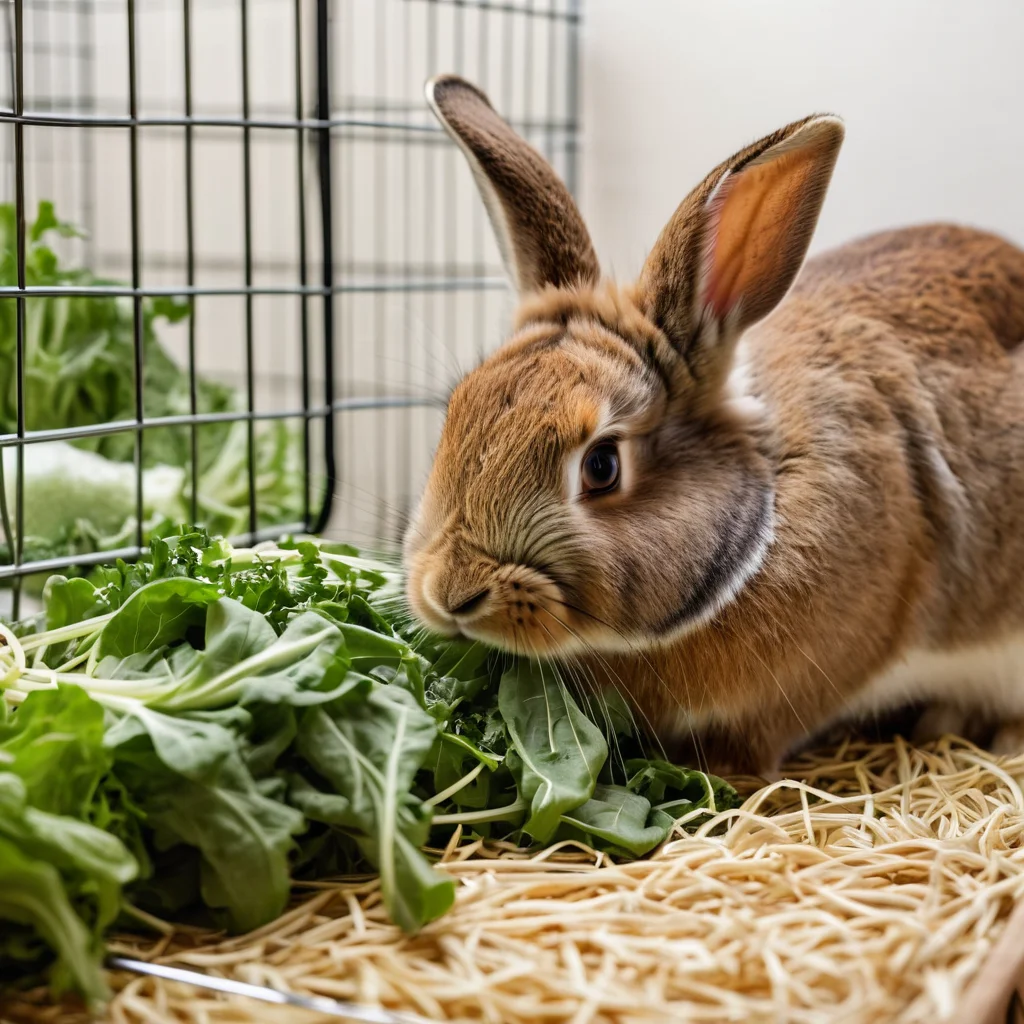

Feeding rabbits the wrong way is common, and a carrot-and-greens diet is WRONG. The truth: 80% hay, 15% fresh greens, 5% pellets and very few treats. Which hay (timothy, brome, oat), which greens are suitable (parsley, arugula) and which foods are banned (iceberg, potato). In this post, we take a detailed look at rabbit nutrition.
1. The Rabbit Digestive System
- A high-fiber plant eater (herbivore).
- A constantly moving digestive system.
- "GI stasis," when gut movement stops, is fatal.
- Eating constantly is a MUST (12 hours without food = risk of stasis).
- Cecotropes (eating night droppings) are normal and a sign of good health.
- Teeth grow constantly, so chewing is essential.
- Fiber is critical for both teeth and digestion.
2. Hay (The Foundation, 80%)
- Timothy hay: The gold standard for adult rabbits.
- Orchard hay: An alternative, tasty.
- Oat hay: As a treat, high in calories.
- Brome hay: Second choice.
- Alfalfa hay: ONLY for young rabbits and during pregnancy (high in protein and calcium).
- Hay should be available AT ALL TIMES.
- Good-quality hay is dry, fragrant and a mix of stems and leaves.
- Choose dust-free hay (breathing problems).
3. Fresh Greens (15%)
- Good options: Parsley, arugula, cabbage leaves, curly lettuce, romaine, dill, basil.
- Occasional choices: Broccoli leaves (cause gas), carrot tops, celery.
- Flowers: Carnations, rose petals, chamomile.
- 2-4 cups a day for an adult rabbit.
- A mix of 3-5 different kinds.
- Washed well (pesticides).
- Introduce new greens slowly (diarrhea).
4. Banned Foods
- Iceberg lettuce: Water, no nutritional value, diarrhea.
- Potatoes and green parts: Solanine is poisonous.
- Onion and garlic: Toxic.
- Chocolate and sugar: Digestive problems that can kill.
- Bread and pasta: Too many carbohydrates, GI problems.
- Dairy products: Rabbits are lactose intolerant.
- Fruit and vegetable seeds: Some are toxic (apple seeds).
- Avocado: POISONOUS.
- Tomato leaves and green parts: Toxic.
5. Pellets (5%)
- High-fiber pellets (timothy-based).
- Pellets heavy in corn, wheat and grains are BANNED.
- Adult rabbit: 25 g/kg/day max.
- 2.5 kg rabbit = 60 g of pellets/day.
- Too many pellets = obesity, dental and GI problems.
- Young rabbits get more (growth).
- Brands: Oxbow, Burgess Excel, Versele-Laga.
- Muesli-style mixes (colorful, tasty) are BANNED.
6. Water
- Clean water at all times.
- A water bottle or an open bowl.
- Change it daily.
- Filter hard water.
- Plenty of water in the summer months.
- A rabbit that isn't drinking = vet (sick).
- Fresh greens add to water intake.
7. Treats (Very Few)
- Fresh fruit once or twice a week, in small pieces.
- Apple (no seeds), banana, strawberries, grapes.
- Carrots are a treat (contrary to what you might think, not a main food!).
- Natural treats (dried plants).
- Root vegetables and processed store-bought treats = SUGAR + FAT = BANNED.
- Treats should be 5% of daily calories max.
8. Young Rabbits (8 weeks to 6 months)
- Alfalfa hay at all times (calcium and protein).
- Plenty of pellets for young rabbits.
- Introduce fresh greens slowly (after 12 weeks).
- If the mother's milk isn't enough at 4-6 weeks = vet, KMR.
- Chewing is essential for dental development.
- Switch to timothy hay after 6 months.
9. Senior Rabbits (6+ years)
- Activity decreases.
- Cut back on pellets (weight).
- Keep giving plenty of hay.
- Soft fresh greens (if teeth are weak).
- Vet checkup every 6 months.
- For joint pain, pellets with glucosamine as a supplement.
- Dental care is critical.
10. Health Warning Signs
- Loss of appetite for 12+ hours = EMERGENCY (GI stasis).
- No droppings = EMERGENCY.
- Pale gums.
- Lethargy.
- Excessive drooling (dental problem).
- Rapid breathing.
- A hard belly.
- Choose an exotic pet vet with rabbit experience.
Rabbit nutrition: 80% hay + 15% greens + 5% pellets + few treats. The "carrot and cabbage" diet is a common mistake. Hay is the foundation of all their health. The wrong diet = dental, GI and obesity problems. Rabbits live 8-12 years on average, which means long-term care. In the DoldurKabı app, you can find a list of vets who specialize in exotic pets on a map.









