


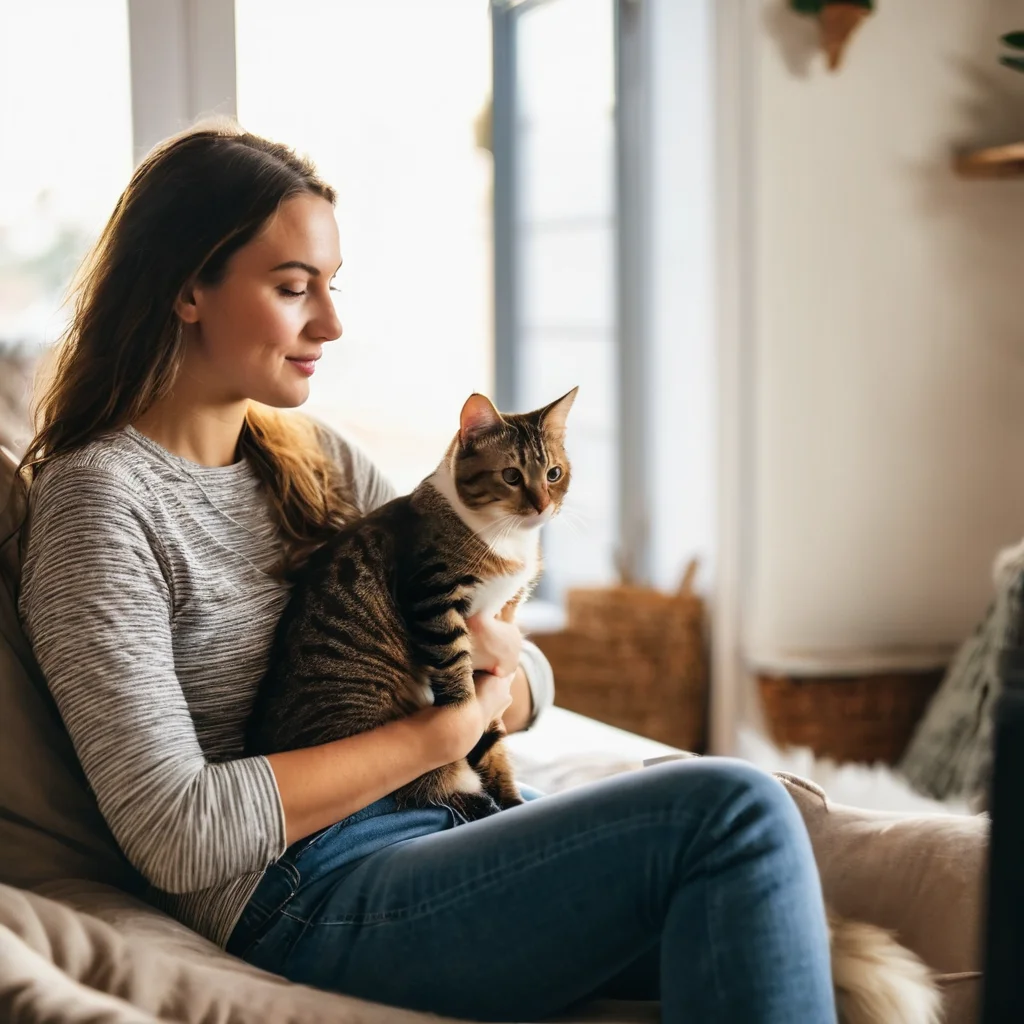

For someone who lives alone, having a pet eases loneliness, supports mental health and adds rhythm to life. But "one person" means "one person responsible." Work hours, travel, social life and emergency plans have to be adapted for the pet. The formula of the right type of pet, a support network and planning makes for a peaceful life with a pet on your own. In this post, we go through a detailed guide.
1. Advantages for Pet Owners Who Live Alone
- You make all the decisions yourself (no struggle to agree as a family).
- Your pet bonds fully with you (an intense bond).
- It adds responsibility and routine to your life.
- Loneliness decreases.
- Social connection (at the park, at the vet, at events).
- A very positive effect on mental health.
2. Challenges
- Sole responsibility makes vacation and travel planning hard.
- Who provides care if you get sick?
- If your work hours are long, your pet is left alone.
- Lack of help in emergencies.
- You carry the financial load alone.
- Your pet's future (a caretaker if you die).
3. Ideal Pets for People Who Live Alone
Cat (Most Suitable):
- Independent, can be left alone for 8-12 hours.
- Apartment-friendly.
- Low cost.
- Needs little time.
- A second cat provides social companionship.
A senior or calm dog:
- No high activity needs.
- Trained and socialized.
- Adoption channels (shelters, associations) usually offer adult pets.
Small-breed dog:
- Maltese, Chihuahua, Yorkie: apartment-friendly and suited to one person.
- Low exercise needs.
- A close bond with the owner.
Not recommended: High-energy breeds with high socialization needs (Husky, Border Collie, Lab puppies).
4. Managing Work Hours
- 8 hours away from home (adult pet):
- Morning exercise and a potty break.
- Kong enrichment.
- Midday: a visit from a pet sitter, neighbor or family member.
- Evening: quality time.
- 10+ hours away from home:
- Daycare (dogs).
- A pet sitter is a must.
- A second pet (cats are social).
- Not a problem for cats (8 hours is OK).
5. Building a Pet Sitter Network
- A neighbor (the closest option).
- A family member (if a parent or sibling lives nearby).
- A professional pet sitter (apps and associations).
- A friend swap (you care for their pet, they care for yours).
- Several options as backups.
- Plan on using a sitter 5-10 times a year on average.
6. Travel Plan
- 1-2 days: Help from a neighbor or friend, pet stays home.
- 3-7 days: A pet sitter (comes to your home) or boarding.
- 1+ week: Professional boarding plus a pet sitter you trust.
- Traveling together: Pet-friendly hotels and planning for the flight or drive.
- Factor in 2-3 vacations a year (each time
The price depends on the city, the scope, the timing and the animal's weight and age. There is no binding base rate for these services; get an estimate by discussing the scope with the provider.
7. Emergency Plan
- Owner sick or injured: Who will care for your pet? A list of family and friends.
- Pet sick and it's vet time: Help from a flexible coworker.
- Owner passes away: A "will" for your pet: who will care for it?
- An emergency contact list on your phone and on the fridge.
- A "pet emergency card" in your wallet (if the owner is unconscious, it tells people a pet is home alone).
8. Financial Plan
- A monthly budget of 800-3,500 Turkish lira.
- Sole responsibility means careful budget planning.
- Definitely consider pet insurance (1,500-3,500 Turkish lira a year).
- Keep an emergency fund of 5,000-10,000 Turkish lira set aside.
- Factor in boarding for your yearly vacation.
- Regular pet sitter fees.
9. Social Activities
- Visits to pet parks: Socializing for both owner and pet.
- Dog walking groups: New friends.
- Cat events: Cat cafés, events.
- Social media: Pet communities.
- Pet sitter and dog walker: Regular contact.
- Vet visits: Getting to know the staff.
10. Your Pet's Future (Important)
- Who will care for your pet if you die or fall ill?
- A "pet trust": a legal will for your pet.
- A written agreement with someone you trust.
- Money set aside for your pet.
- Pet insurance and an up-to-date health history record.
- An "if something happens to me" plan is a must for every pet owner who lives alone.
Pet ownership when you live alone: the formula of the right pet, a support network and planning means years of peaceful life with your pet. It eases loneliness and brings responsibility, mental health benefits and social connection. Being on your own doesn't mean being alone; your pet is a loving companion. In the DoldurKabı app, you'll find a community of owners who live alone, plus support.









