


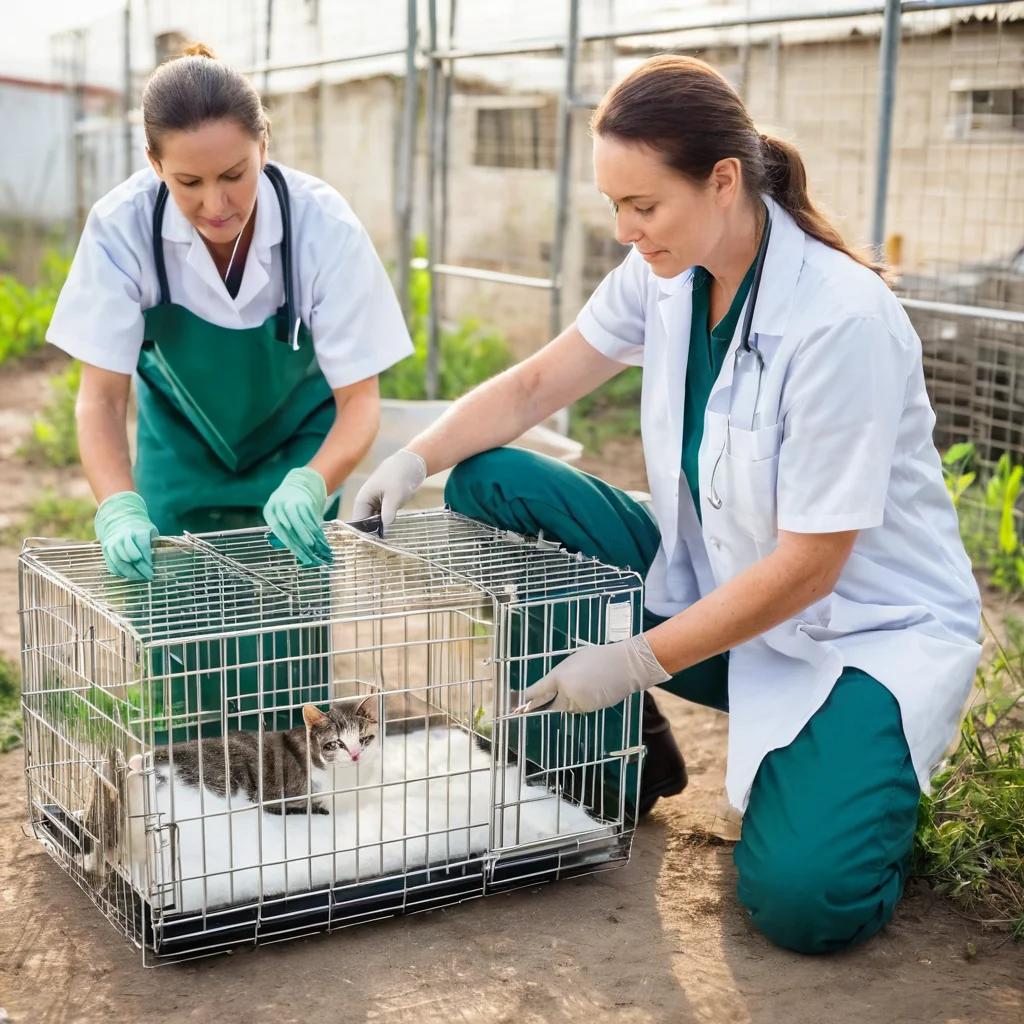

Trap-Neuter-Return (TNR) is a science-backed method for controlling street cat populations. Here we cover how it is practiced in Türkiye, cooperation between municipalities and nonprofits (NGOs), the ethical debate, herd immunity, and its successes and limitations. It is a humane and effective solution for stray animals. In this post, we take a detailed look at TNR campaigns.
1. What TNR Means
- Trap, Neuter, Return.
- Science-backed management of street cats.
- It began in England in the 1950s.
- Widely practiced in the US and the EU.
- The street cat population decreases over time.
- The cat is returned to where it came from: its local colony.
- For dogs, it is TNVR (Vaccinate + Return).
2. The Science Behind It
- A single female street cat produces 12-20 kittens a year.
- In theory, one female can have 400,000+ descendants in 7 years.
- Spaying/neutering = reproduction stops.
- If 70%+ of a colony is spayed/neutered, the population stabilizes.
- If 85%+ is spayed/neutered, it decreases.
- The "vacuum effect": when cats are removed, others move in.
- TNR gives the colony immunity and balance.
3. The Stages of TNR
- Trap: A humane trap.
- Food + patience.
- Taking the trapped cat to the vet.
- Neuter: Surgical spaying/neutering.
- Vaccines (rabies + combination).
- Microchip + ear tip (a small cut at the tip of the ear as a marker).
- Recovery: 1-3 days in a temporary shelter.
- Return: The cat goes back to where it was trapped.
- An observer + feeder in the neighborhood.
4. Ear Tipping
- A small cut at the tip of the ear to identify a spayed/neutered cat.
- Done while the cat is under anesthesia.
- NO lasting disability for the animal.
- The ear can be spotted from a distance.
- Left ear: female (standard).
- Right ear: male (in some places).
- So the same cat isn't trapped again.
- Saves the vet time.
5. TNR in Türkiye
- Cooperation between municipalities and NGOs.
- It became widespread from the 2010s on.
- Active campaigns by the Istanbul Metropolitan Municipality.
- Regular programs in Ankara, Izmir and Bursa.
- Coordinated by NGOs (HAYTAP, Pati Patileri).
- Active volunteer teams.
- Feeding by local residents.
- "Colony feeding" is a widespread tradition in Türkiye.
6. Costs at the Vet
- Free from the municipality in most places.
- Discounted through NGOs.
- Private vet
- Vaccines + spaying/neutering + microchip.
- Group campaigns are more economical.
- 1 cat = prevents ~10-20 kittens from being born.
- A long-term investment.
The fee depends on the city, whether it is a clinic or a hospital, after-hours visits, imaging or hospitalization, and the animal's weight and age. The provincial Chamber of Veterinarians (Veteriner Hekimleri Odası) publishes an annual minimum fee schedule; the schedule is a floor, not the final bill. Ask the clinic for a written or verbal estimate.
7. Benefits
- The street population decreases over time.
- Fewer infectious diseases.
- Healthier cats + longer lives.
- Fewer fights + wounds.
- A calmer area (no mating stress).
- Fewer conflicts with neighbors.
- Long-term savings for the municipality.
- Better quality of life for the cats.
8. The Ethical Debate
- For: The most humane approach. Respect for the animal's life.
- Against: The animal is still on the street, which is a risk.
- For: The only option for cats that can't be adopted.
- Against: Low comfort for the animal (street life).
- For: The population decreases over time.
- Against: Is it enough?
- Most scientific and ethics experts support it.
- It fits Türkiye's traditions.
9. Limitations
- It requires ongoing, long-term campaigns.
- Covering an entire area is hard.
- Results aren't fast (3-5 years).
- It requires financial resources.
- It requires volunteer teams + know-how.
- Some street cats can't be trapped (they adapted as kittens).
- Conflicts with neighbors even after TNR.
- Owners taking in pets and then abandoning them is a problem (uncontrolled).
10. The Role of Owners and Citizens
- Registering the neighborhood colony.
- Regular feeding.
- Contact with a vet (treatment for sick cats).
- Recognizing new cats.
- Taking part in TNR campaigns.
- Communicating with the municipality + NGOs.
- Working alongside kitten adoption.
- Ongoing responsibility.
TNR is a formula of trap + spay/neuter + vaccinate + ear tip + return + a long-term campaign. It is a science-backed and humane approach to managing street cats. It fits well with Türkiye's traditions. Cooperation between municipalities, NGOs and citizens. Ongoing campaigns = long-term success. In the DoldurKabı app, you can find municipal TNR campaigns + a list of NGOs on a map.









