
Adopting a cat or dog from a municipal shelter in Tokat means offering an animal a safe home while accepting a long-term responsibility for its care. The application framework is similar for candidates living in the city center, Turhal, Erbaa or Niksar; your type of home, transportation, working hours and daily opportunities for exercise all affect finding the right match. Tokat is often described as a city whose natural water sources and mountainous landscape suit pet activities. These features can support a thoughtful plan, but on their own they don't decide which animal you should choose. This guide explains the stages of official research, application, registration and settling in at home without giving any unverified facility or contact details.
Where can you get up-to-date information in Tokat?
Shelters' visiting systems, the animals available for adoption and document requirements can change over time. First, look at the announcements on the official websites of Tokat Municipality and the relevant district municipality. If no information has been published, contact the municipality through its general contact channel and ask to be referred to the unit responsible for animal care. The Provincial Directorate of Agriculture and Forestry is also a reliable point of contact for animal identification, registration obligations and the official process. You can support your general research with our shelter finder page. Don't act on an address, phone number or visiting hours from old social media posts without verifying them first.
What does the legal framework say?
Animal Protection Law No. 5199 gives municipalities responsibility for protecting and caring for ownerless animals. Adoption aims to hand over an animal in the institution's care to a suitable person, with permanent responsibility. Staff can share the animal's existing records and known behaviors and can assess the candidate's lifestyle. The candidate, in turn, takes on feeding, a safe living space, exercise, vet follow-up and registration in a sustainable way. The decision should rest on mutual compatibility before looks, age or a momentary feeling.
The standard adoption process
- Get information through the official channel: Learn how to apply, the visiting conditions and the required documents.
- Fill out the application form: Give accurate information about your identity, contact details, residence and care arrangements.
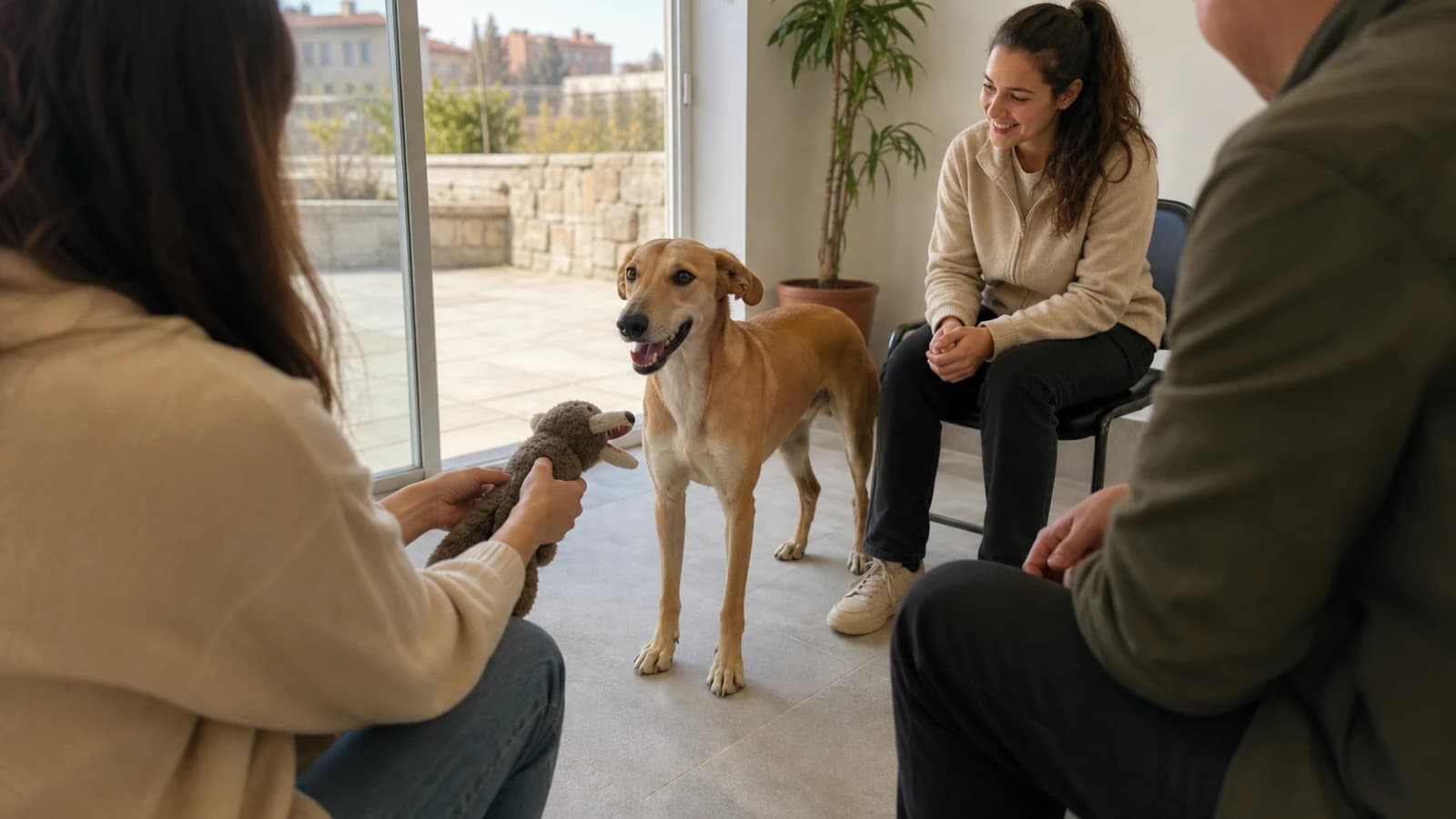
- Attend the suitability interview: Be open about your working hours, travel, family members, children and any current pets.
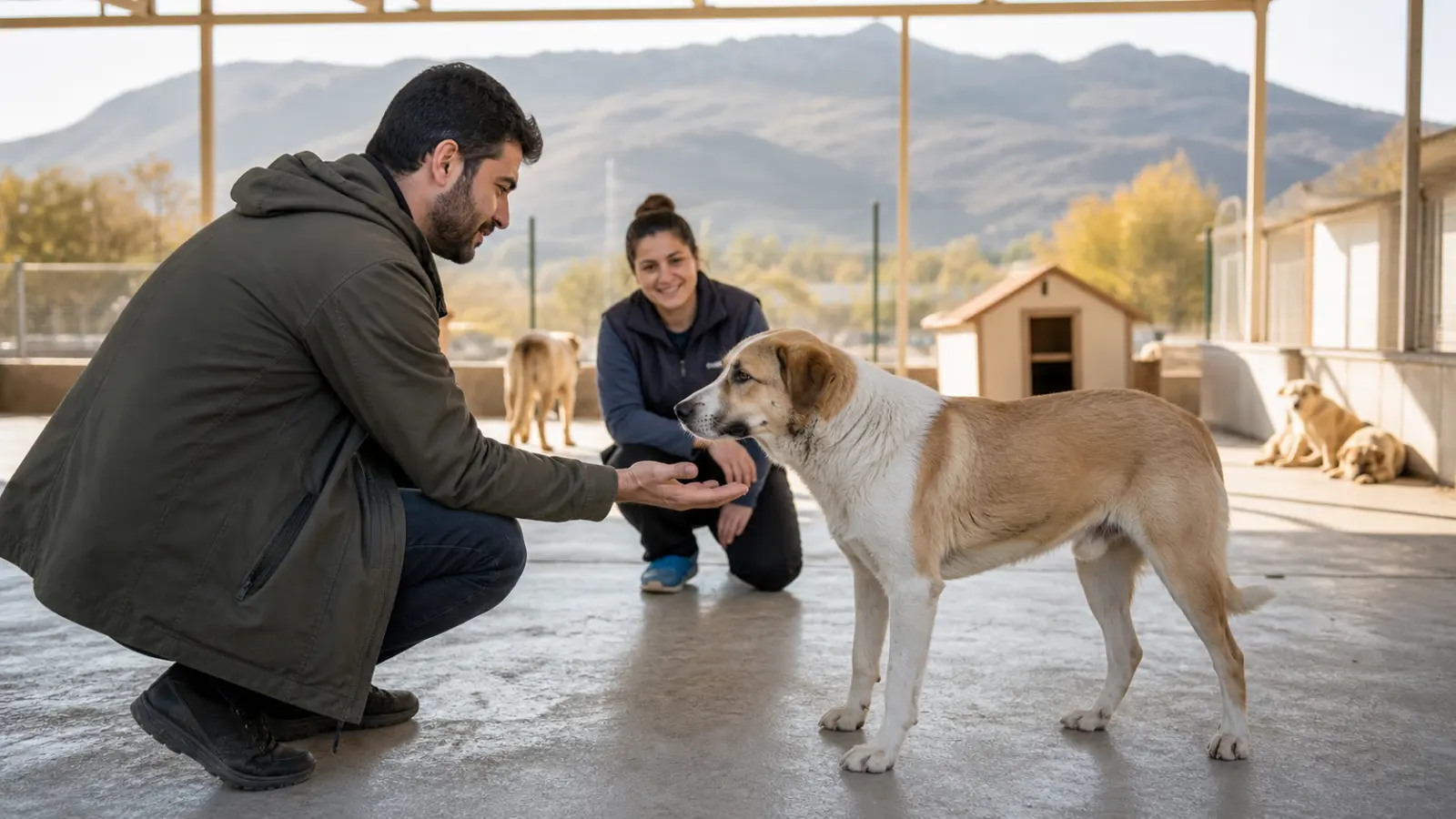
- Meet the animal: Listen to what the staff tell you; calmly observe its temperament and energy level.
- Ask about the records: Review the existing documents on vaccination, spaying/neutering and microchip status.
- Read the agreement: Don't sign until you understand the clauses on care, notification and follow-up; keep a copy.
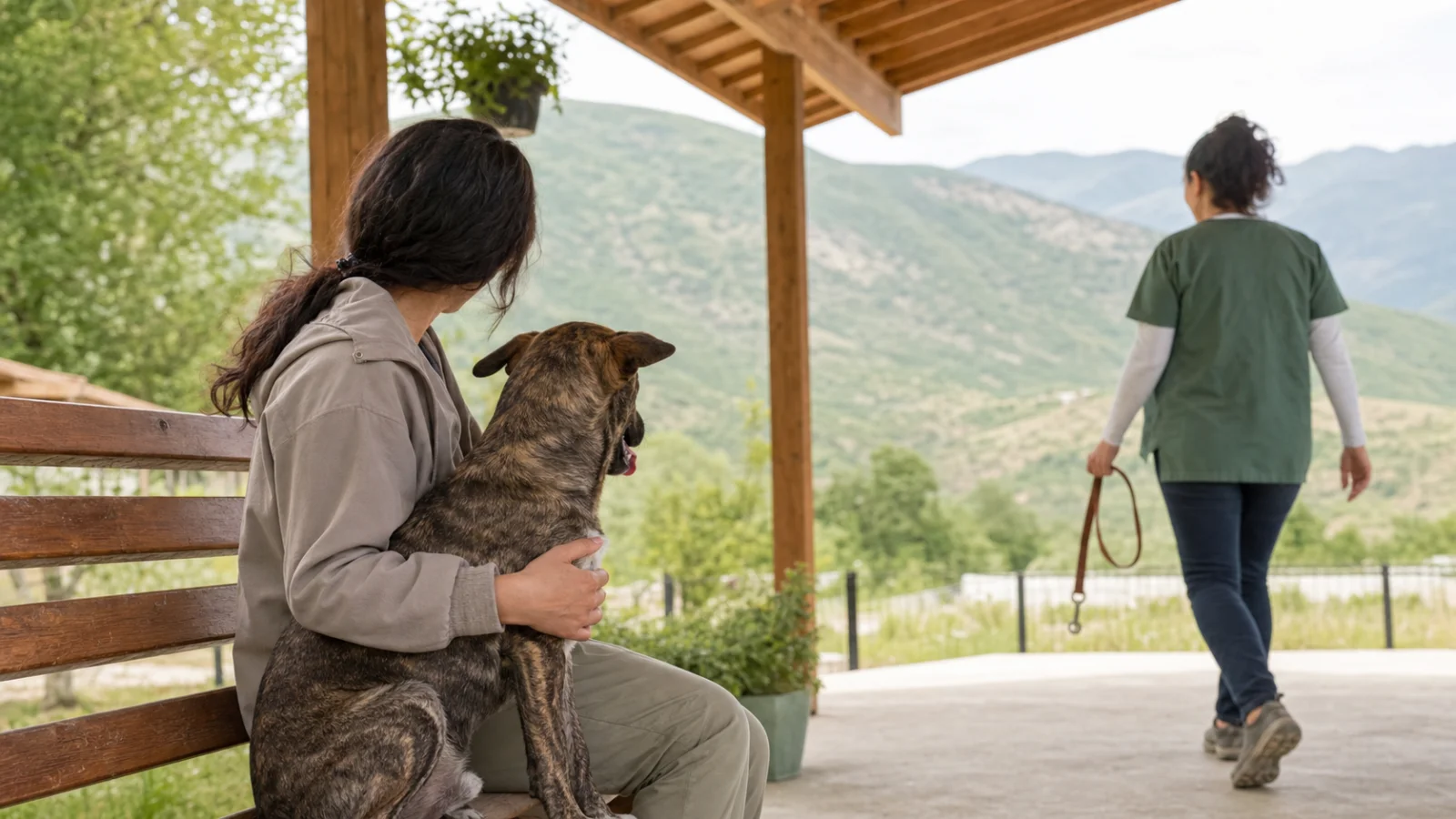
- Safe handover and follow-up: Use suitable transport equipment and respond to the institution's later contact requests.
The document list and assessment method may vary depending on the institution's current practice. Definitive information should always come from the official unit you apply to.
Matching to life in Tokat
Ballıca Cave is the city's iconic landmark; being close to nature can create the expectation of an active lifestyle. Even so, taking a newly adopted dog on long nature routes in the first days isn't right. Trust, getting used to the leash and a basic routine need to come first. A family living in an apartment in the city center and a family in Erbaa, Turhal or Niksar with access to more open space have different safety needs. If you have a yard, check the fence and gate, and don't leave the animal unsupervised for long periods. In an apartment, introduce noise, stairs, the elevator and the neighborhood routine gradually. Compare the animal's age, energy level and known history with your daily schedule.
Checking your home before adoption
Reduce escape and household risks
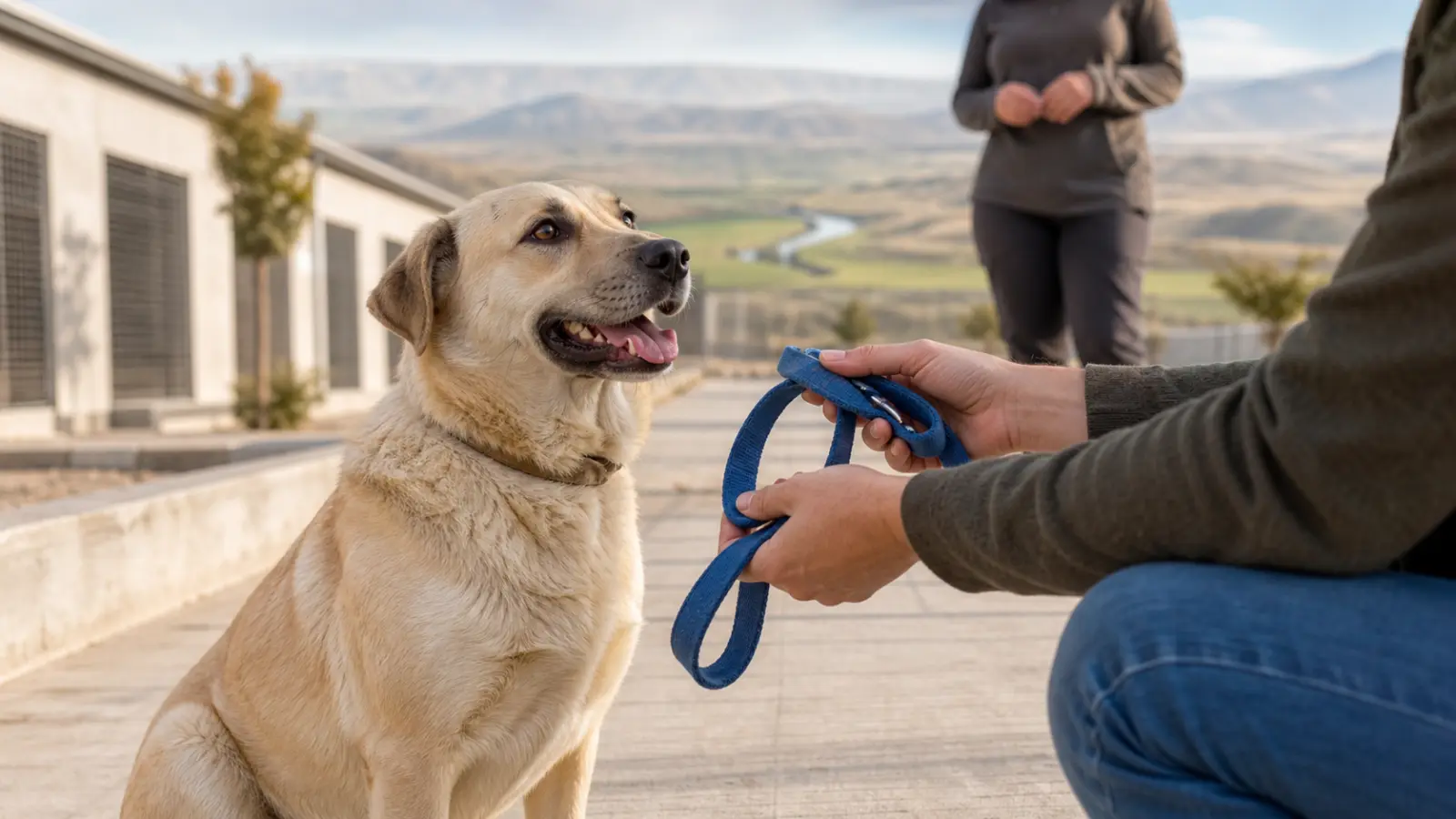
Prepare a quiet starter room or corner for your new pet. Place the food and water bowls away from the potty area. Inspect balconies, windows, the garden gate and the building entrance for safety. Put medications, cleaning products, cables and small swallowable items out of reach. Get a sturdy carrier for a cat; for a dog, get a suitable collar, leash and a secure car restraint. Having the supplies you need on the first day ready reduces the commotion when your pet comes home.
Share the care tasks
Divide the tasks clearly within the family for feeding, walks, litter cleaning and vet visits. Children should be taught to respect the animal's resting and eating areas. If you need help during working hours, arrange it in advance. If you travel regularly, decide who will provide care. If you rent, check your lease and the building rules. Before you adopt, think through how your pet will stay with you if you move or change jobs.
The first 72 hours: low stimulation, steady observation
For the first three days, let the animal learn the new sounds, smells and people at its own pace. Don't host guests, don't force it out of its hiding place and don't start intensive training. Ask about the feeding routine at the shelter; don't change food suddenly. Keep clean water available at all times. Take the dog on short, calm walks; don't take the cat outside. Note its appetite, water intake, potty habits, sleep and general behavior. If you notice an injury or an obvious health problem, see a veterinarian instead of looking for a diagnosis online, and share the records you have.
Introducing a current cat or dog
Don't put the new pet in the same space as your other pet right away. Use separate rooms, and provide separate food, water, bedding and potty resources for each. First, swap items carrying their scents for short periods. For dogs, a parallel walk in a neutral area, managed by two adults, can work. With cats, brief visual contact can come after scent exchange from behind a door. If tension rises, increase the distance and go back to an easier stage. Growling or hiding should not be punished. If the tension persists, get help from a qualified behavior specialist.
The long-term routine after adoption
Proper nutrition, regular exercise, vet checkups, parasite protection and keeping official records up to date are lifelong responsibilities. Plan routine and unexpected costs item by item; don't assume a specific price applies to everyone. Respond to the municipality's follow-up contact and update your information if it changes. For current listings in Tokat, you can check the Tokat adoption page, and for other animal lover resources in the city, the Tokat City Guide.
Do a trial run before you decide
Create a sample care schedule for one week. Write down feeding, walks, play, rest and cleaning tasks with their times, and decide who will help when you're at work or traveling. Base it on an ordinary, busy workday, not on weekend plans like a nature hike. If family members don't find this routine sustainable, postponing adoption is a responsible choice. Describing your circumstances openly in the interview helps the staff suggest a match that better fits the animal's needs.
Frequently Asked Questions
What is the first step to adopting from a municipal shelter in Tokat?
Find out the current application and visiting method from the official announcements of Tokat Municipality or the relevant district municipality. Confirm the exact location and contact details through the official channel.
Are any documents needed besides ID?
You may be asked for residence and contact information or an application form. Since the requirements can vary by institution, ask before you visit.
How do I check the animal's records?
Ask the staff about vaccination, spaying/neutering and microchip status, and keep the handover documents. Plan any ongoing procedures with a veterinarian and the official unit.
When can I take a new dog on long nature walks?
A bond of trust, leash control and a basic routine need to be established first. Get a vet's opinion on the dog's age and condition, and increase the distance gradually.