


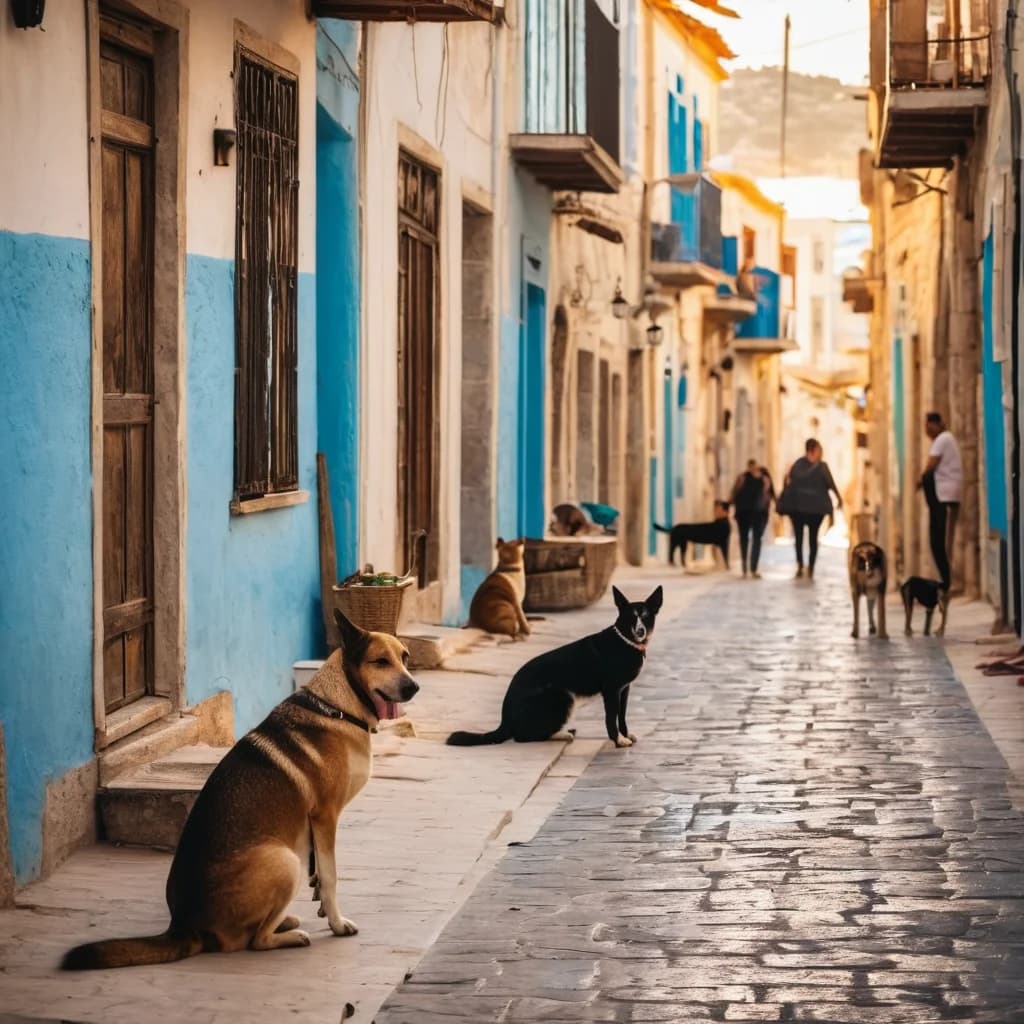

Stray animal management in Türkiye: history + current policy. Animal Protection Law No. 5199, municipal responsibility, the changes made by Law No. 7332 (2021). Disputed decisions, a comparison with the EU, the role of volunteer nonprofits (NGOs). Türkiye's tradition with stray animals is unique. In this article we take a detailed look at Türkiye's stray animal policy.
1. Türkiye's Unique Tradition
- Centuries of protecting stray animals.
- The Hagia Sophia cats of the Ottoman era are historic.
- Neighborhoods feeding their local animals.
- Istanbul as a symbol of cat culture.
- A history of animal protection through charitable foundations (madrasas).
- The view that "stray animals are a community responsibility."
- A different approach from Europe.
2. Law No. 5199 (2004)
- The foundation: the Animal Protection Law.
- A legal basis for animal welfare + protection.
- Municipal responsibility + care.
- Encouraging the adoption of stray animals.
- Penalties for cruelty + killing.
- Spaying/neutering + vaccination + registration.
- Microchips mandatory for pet owners (after 2021).
3. Law No. 7332 (2021)
- A major amendment to Law No. 5199.
- Higher penalties for animal cruelty (prison sentences).
- "Living being" status instead of "property."
- Livestock areas were restricted.
- Stray animal management became clearer.
- Responsibilities for municipalities + homeowners increased.
- Some criticism of shortcomings (implementation).
4. The 2024 Changes
- Legal rules on collecting stray animals + placing them in shelters.
- A disputed law text.
- Protests by pet owners.
- Criticism from nonprofits.
- Comments comparing it to the EU as less humane.
- Uncertainty in the legal process + implementation.
- Attention + awareness from pet owners matter.
5. Municipal Responsibility
- Care + feeding of stray animals.
- Veterinary services.
- Spay/neuter campaigns.
- Vaccines (rabies + others).
- Microchipping + registration.
- Temporary animal care centers.
- Adoption programs.
- Receiving + handling complaints.
6. Citizens' Responsibility
- Reporting cruelty to stray animals (153).
- Feeding + caring for neighborhood animals.
- Supporting spay/neuter campaigns.
- Adoption.
- Volunteering with nonprofits.
- Warning neighbors (cases of neglect).
- Responsible behavior as a pet owner.
7. The Role of Nonprofits
- HAYTAP, HAYDER and Pati Patileri are large nonprofits.
- Local associations in every city.
- Running shelters.
- Vet care + treatment.
- Spay/neuter campaigns.
- Organizing adoptions.
- Legal advocacy.
- Awareness + education.
8. EU Comparison
- United Kingdom: Few stray animals (a system built over years).
- Germany: NO stray dogs at all (strict control).
- Italy, Spain, Greece: Stray animal problems exist; TNR is common.
- EU directive: animal welfare standards.
- Animal welfare is an important item in Türkiye's EU membership process.
- The European model and Türkiye's tradition are different.
- A process of alignment + adaptation.
9. Common Problems
- Many uncontrolled pets (uncontrolled breeding).
- Insufficient municipal capacity.
- Shelters full + few resources.
- Overpopulation in some areas (villages, coasts).
- Human-animal conflict (dog attack cases).
- Not enough vets + investment.
- Inconsistent enforcement of the law.
- A lack of education + awareness.
10. Looking Ahead
- Spay/neuter campaigns should be expanded.
- Municipal investment is insufficient in most places.
- Cooperation between nonprofits + the state matters.
- Awareness education in schools + media.
- Legal rules that are humane + effective.
- Growing an adoption culture.
- A ban on pet shop sales (an ethical debate).
- A shared solution from citizens + nonprofits + municipalities.
Stray animals in Türkiye: the formula is Laws No. 5199 + 7332 + municipalities + nonprofits + citizens + the EU comparison. Balancing Türkiye's unique tradition with a modern approach. Spaying/neutering + awareness are the key to the solution. In the DoldurKabı app you'll find municipal shelters + a list of nonprofits on a map.









