


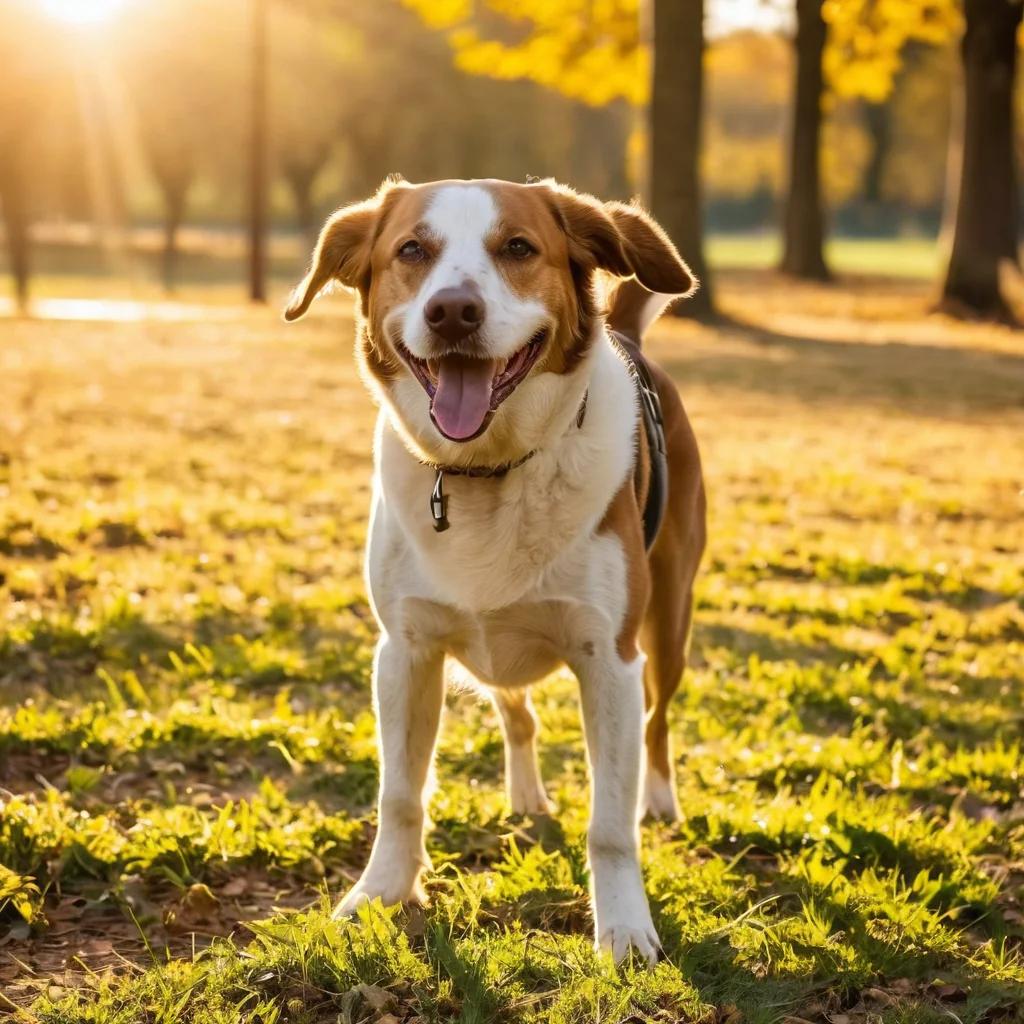

A three-legged pet (tripod) after surgery or a traumatic loss: the adjustment process, home safety, protecting the remaining joints, physical therapy and weight management. Pets adapt quickly, but the owner needs to pay attention. A "tripod" goes on living life to the fullest. In this post we take a detailed look at caring for a three-legged pet.
1. Why Pets Become Tripods
- Osteosarcoma (bone cancer), resulting in leg amputation.
- Trauma from a traffic accident.
- A severe fracture that does not heal.
- Infection (osteomyelitis).
- Nerve damage that cannot be treated.
- A birth defect.
- A surgical decision by the veterinarian.
- Quality of life comes first.
2. Early Recovery (1-2 Weeks)
- Pain management after surgery.
- An Elizabethan collar.
- Checking the stitches and wound.
- Restricting activity.
- Lethargy on the first day is normal.
- Getting up and walking within 2-3 days.
- Antibiotics and painkillers.
- Keep the wound dry.
- Vet checkup at 7-10 days.
3. The Adjustment Process
- Pets adapt fast (2-4 weeks).
- The emotional process is harder for the owner.
- Little psychological impact on the pet (acceptance).
- Help is needed in the first week (getting up, walking).
- Normal activity after 2 weeks.
- Full adjustment in 1-2 months.
- Pets learn their new balance quickly.
4. Home Safety
- Non-slip floors (yoga mats, rugs).
- Be careful with stairs (hard without a front leg).
- Ramps (for the bed and couch).
- A support sling.
- Easy access to food and water.
- An orthopedic pet bed.
- Softening corners (cushions).
- A yard fence and safety.
5. Protecting the Remaining Joints
- Three legs carry extra load.
- Joints wear down faster.
- Glucosamine and chondroitin supplements.
- Omega-3.
- A yearly vet X-ray checkup.
- Sports and jumping are OFF LIMITS.
- Walking on flat ground is ideal.
- Increase support as your pet ages.
6. Weight Management
- Extra weight adds load on the joints.
- Aim for 10-15% below ideal weight.
- Careful portions.
- Low fat and high protein.
- Cut back on treats.
- Track body condition score with your vet.
- Regular weigh-ins.
- Small training rewards.
7. Physical Therapy
- Hydrotherapy on an underwater treadmill is excellent.
- Little load on the joints, and it strengthens muscles.
- Laser therapy.
- Massage.
- Passive range-of-motion exercises.
- Regular rehab sessions.
- Intensive in the first month, then maintenance.
- Specialist clinics in Türkiye.
8. Exercise Program
- Short, frequent walks (5-15 minutes × 3-4).
- Choose flat paths.
- Frequent breaks.
- Pushing too hard is OFF LIMITS.
- Signs of tiredness mean it is time for a break.
- Swimming and hydrotherapy are ideal.
- Limited ball play (speed and turning are hard).
- Socializing on walks and at the park.
9. Emotional Support
- Pets have NO sense of loss (people are different).
- The owner goes through an emotional process and grief.
- Your pet's love and trust carry on.
- Support from family and friends.
- Pet communities (tripod pet owner groups).
- "Tripawds" online support.
- For your pet, everything is actually the same, just with one leg fewer.
- Focus on love and attention for your pet.
10. The Long-Term Outlook
- Pets live long lives.
- High quality of life.
- Extra care responsibility for the owner.
- Regular vet checkups.
- Monitoring joint health.
- Special needs in the senior stage.
- Not "disabled" for your pet, but "adapted."
- Lots of love and attention helps.
The three-legged pet (tripod) formula: fast adjustment + home safety + protecting the remaining joints + weight management + physical therapy. Pets are not affected psychologically; it is harder for the owner. Quality of life can be kept high. Your pet is a "hero" who knows no limits. In the DoldurKabı app, you can find special needs pet care and a list of specialist vets on a map.









