
Adopting a cat or dog from a municipal shelter in Uşak means permanently arranging your home and daily schedule around the needs of another living being. Living in Merkez, Banaz or Eşme may change your surroundings and transportation, but everywhere the deciding factors for a good match are the time you can give, a safe space and care you can keep up. The traditional bond built through farming and caring for dogs in the Banaz meadows is part of the city's character. Still, a yard or living close to the countryside doesn't on its own make a suitable home. This post explains, step by step, how to look into adopting through the municipality in Uşak, without giving any unverified facility, address, phone number or opening hours.
Where to get up-to-date information in Uşak
The adoption process, visiting arrangements and paperwork requirements can change over time. Start by checking announcements on the official websites of Uşak Municipality and the relevant district municipality. If the information you need isn't clearly published, use the general contact channel to ask to be directed to the unit responsible for caring for ownerless animals. The Provincial Directorate of Agriculture and Forestry is an official source you can turn to for registration and identification requirements. To compare different options, you can look at the shelter finder page. Don't plan a trip based on locations, phone numbers and hours shared online without confirming them with the municipality, since you can't be sure they're current.
The role of the municipality and the applicant
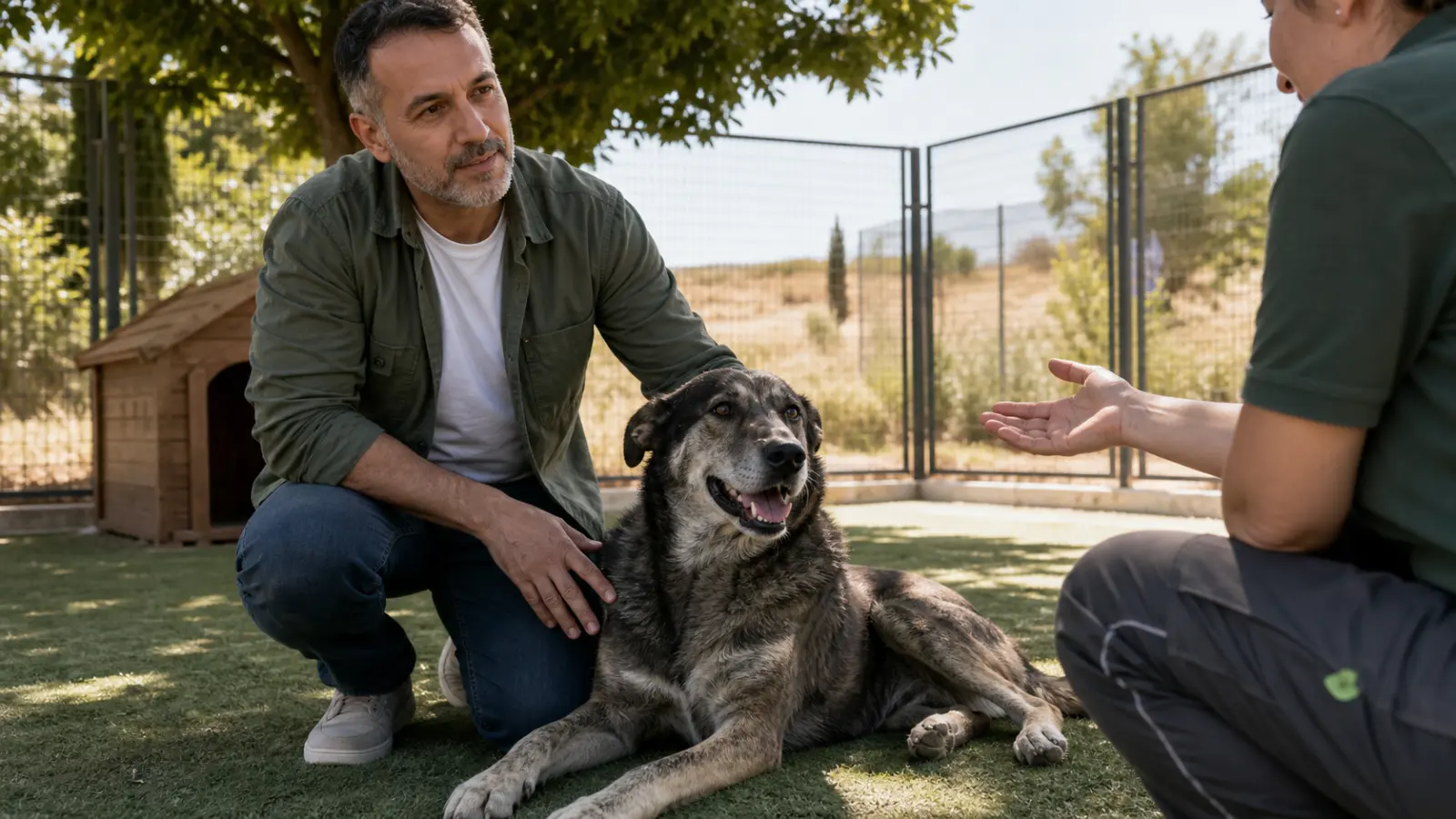
Animal Protection Law No. 5199 gives municipalities duties related to protecting and caring for ownerless animals. During the adoption interview, the institution may share the information in the animal's file and try to understand the applicant's living conditions. The people living in your home, your working hours, previous experience, other animals and how daily care will be shared may come up. Answering openly helps spot an unsuitable match early. After handover, safe housing, feeding, exercise, vet checkups and keeping up with official registration are the ongoing responsibility of the adopter.
From application to handover
- Confirm the process: Find out from the official unit the current way to apply in Uşak, how interviews are arranged and which documents may be requested.
- Share your daily plan: Be honest about how long the animal will be alone, morning and evening care and how often you travel.
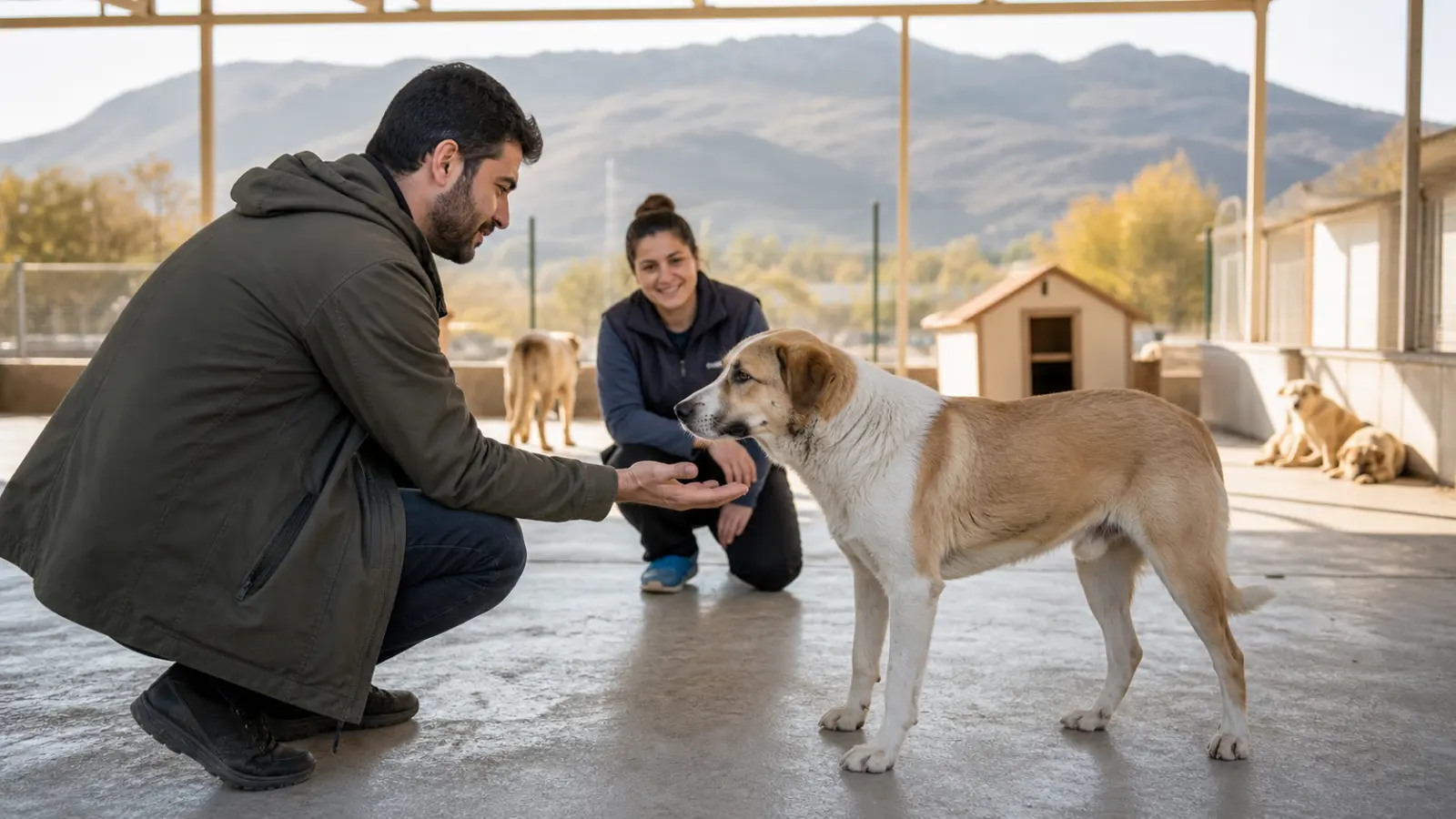
- Meet a suitable animal: Ask the staff about age, energy, how it relates to people and any known history.
- Review the registration status: Check the current state of spay/neuter, vaccine and microchip information through the documents.
- Go over the agreement: Read the care, follow-up and notification clauses and ask about anything you don't understand.
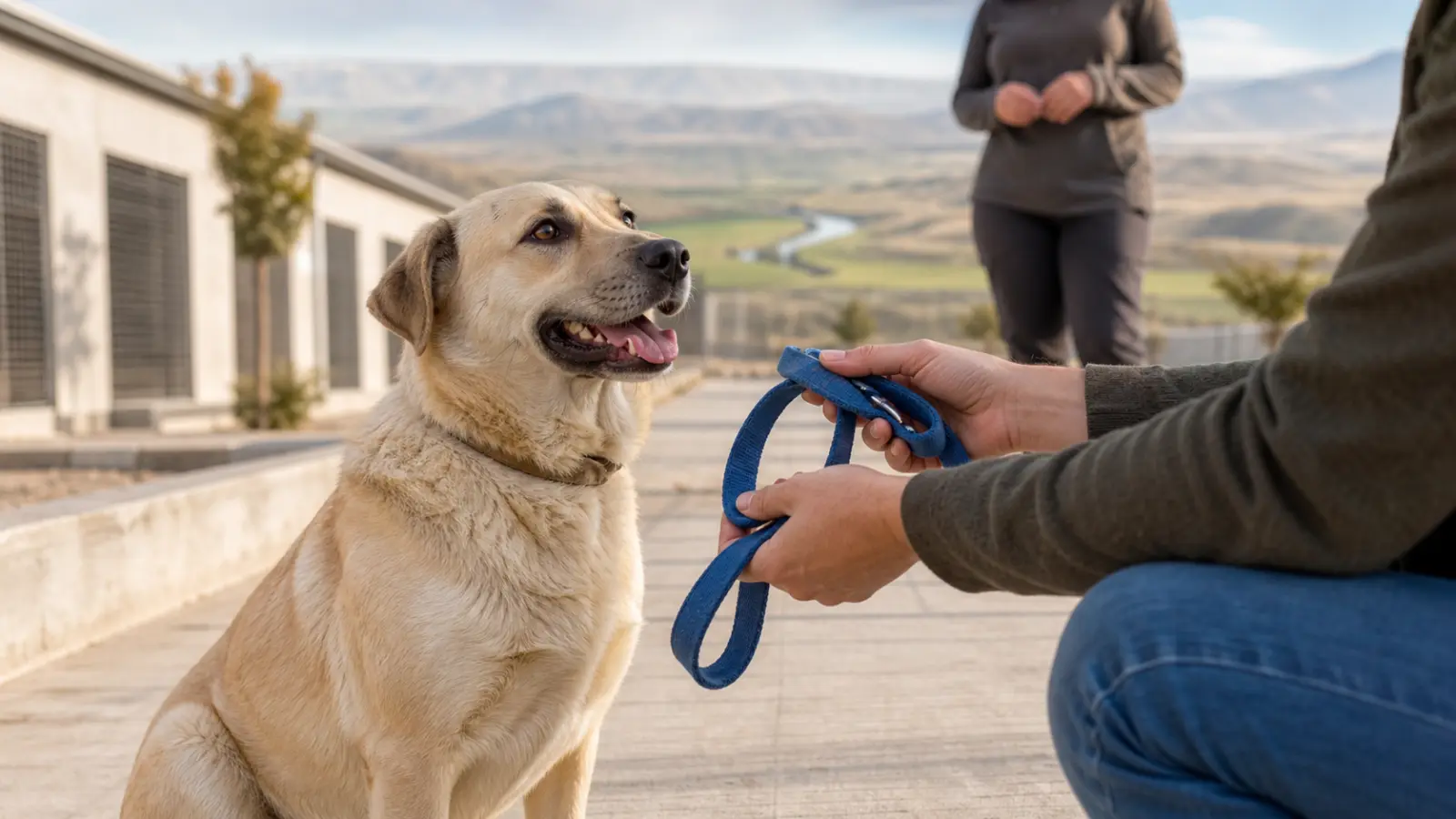
- Transport safely: Use a sturdy carrier for a cat, and a proper leash and in-car restraint for a dog.
Not every animal's file is the same, and the institution's procedures can be updated. Use the order here as a general preparation framework; get the exact details for Uşak from the official staff handling the process.
A match that fits life in Uşak
The ancient city of Blaundus is Uşak's iconic site, but having a historic, open route nearby doesn't mean every animal is suited to long nature walks. A new dog's stamina, leash behavior and reactions to its surroundings need to be learned over time. In a Merkez apartment, shared doors and balconies are the main concern, while in a home with a yard in Banaz or Eşme you'll need to assess fences, gates and the risk of being left outside alone. A yard doesn't replace daily human interaction and controlled exercise. With the hot, dry periods and cool days of the inner Aegean in mind, plan indoor rest, access to water and walk times realistically.
Prepare your home before handover
Set up a starter corner
Set aside a quiet area for the new animal that is easy to clean and where you can control who comes and goes. Place water, food, a bed and a potty spot ahead of time, and don't move them around much in the first days. Close off escape points like windows, balconies, yard gates and the building entrance. Put cleaning supplies, medications, exposed cables and small objects that could be swallowed out of reach. Set a household rule so that children or guests don't enter the animal's resting area without permission.
Plan responsibilities and resources
Write down who is in charge of feeding, walks, cleaning and keeping track of appointments. Don't leave the animal's care to a child alone; a responsible adult should manage the process. Set aside an ongoing budget for food, routine vet care, registration, safe transport and unexpected needs. Decide before handover who will help during vacations or emergencies.
Building trust in the first 72 hours
The three days after arriving home are a time for calm, not busy activity. Don't keep picking the animal up, don't pull it out of its hiding place and don't introduce it to a crowd. Ask the staff about the feeding routine at the shelter, and if a change is needed, plan a gradual switch with your veterinarian. Make sure fresh water is always available. Don't let a cat outside; take a dog on short, safe walks at similar times each day. Keep notes on appetite, water intake, potty habits, sleep and general behavior to follow how it's settling in. If you have a health concern, get professional support instead of diagnosing it yourself.
If you have other animals at home
Don't put the newcomer and your current animal in a shared space right away. Use separate rooms or areas and start by swapping items that carry their scents. Prepare separate food, water, a bed and a potty spot for each animal. For dogs, a parallel walk in a calm area with two adults in control may work well; for cats, gradual visual contact that starts from behind a door. When tension rises, increase the distance; don't use punishment. If conflict keeps going, ask for qualified help with behavior.
Notes to take at the Uşak handover meeting
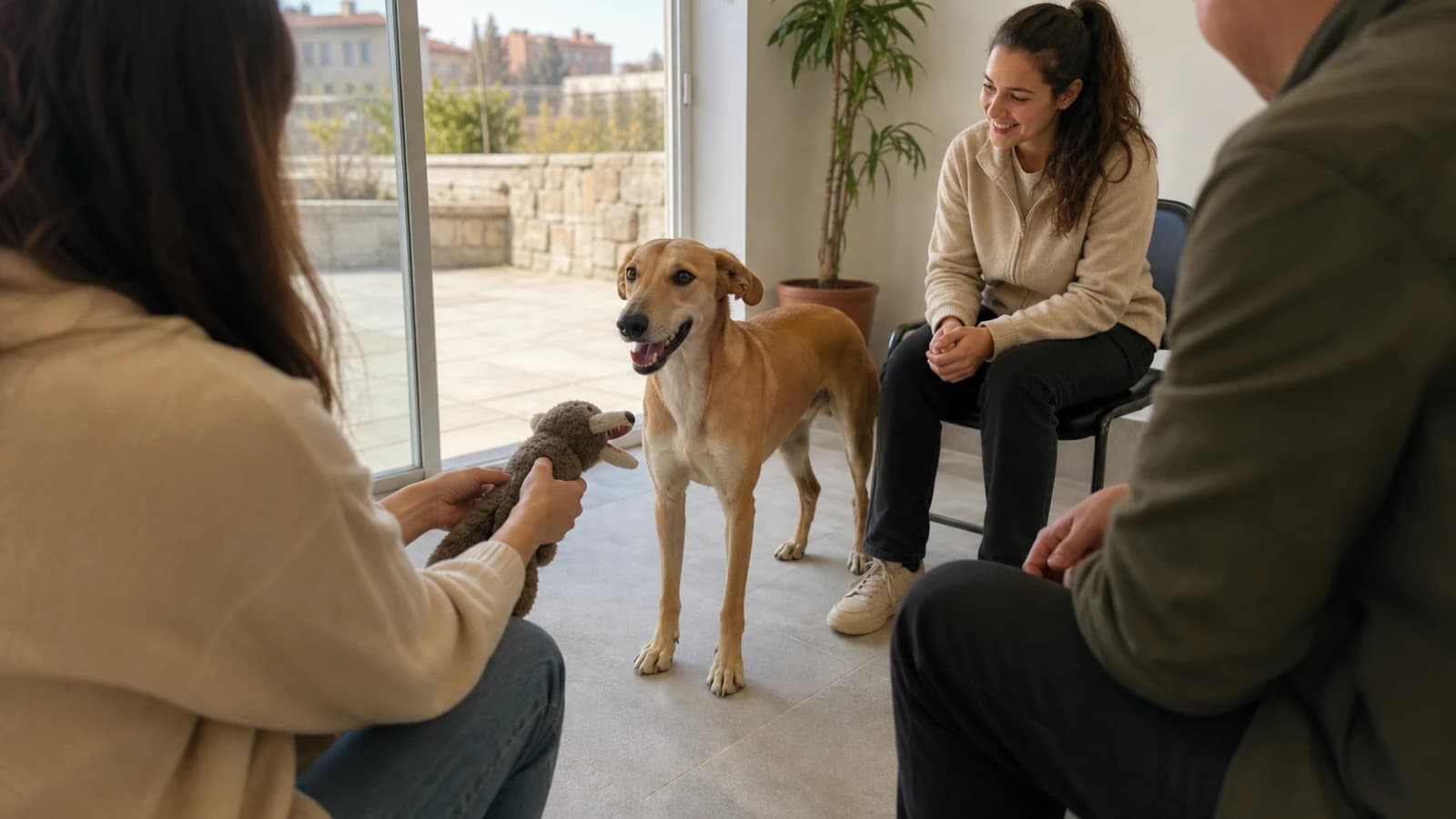
At the Uşak meeting, ask the staff about the animal's daily feeding and rest routine, how it approaches people, its known fears and its experience with transport equipment. Keeping in mind the drive home toward Merkez, Banaz or Eşme, prepare a safe setup in the car and a calm route into the house ahead of time. Find out which records the Uşak institution will hand over and what it expects from you as part of follow-up; don't make firm assumptions about timelines or contact methods. If there's a health or behavior detail the Uşak staff don't know, don't fill it in with guesses; turn it into a question for your veterinarian or a behavior specialist. On handover day in Uşak, don't combine the trip with long visits or busy shopping; go straight back to the area you prepared. Sharing the notes you took at the Uşak meeting with your household helps everyone follow the same care routine and gives the animal a predictable start.
Review the long-term decision
Think about how care will continue through situations like a job change, a move, a new family member or travel. Accept that as the animal ages, its exercise and vet needs may change. You can find current listings in Uşak on the Uşak adoption page and other city-wide resources in the Uşak city guide. Not deciding at the first meeting or meeting another animal isn't a failure; it's room to think for a more lasting match.
Frequently Asked Questions
What should I do before going to a municipal shelter in Uşak?
Confirm current application and visiting information through the official channel of Uşak Municipality or the relevant district municipality.
Will they ask about my home in the interview?
You may be asked about home safety, your household, your work schedule and any current animals. Answer openly so the match is right.
Who should I ask for the vaccine and microchip records?
Ask the staff to explain the animal's current file, keep the documents you're given and plan the next steps with your veterinarian.
Is a house with a yard enough for a dog on its own?
No. It also needs safe boundaries, a sheltered resting area, human contact, controlled walks and regular care.