


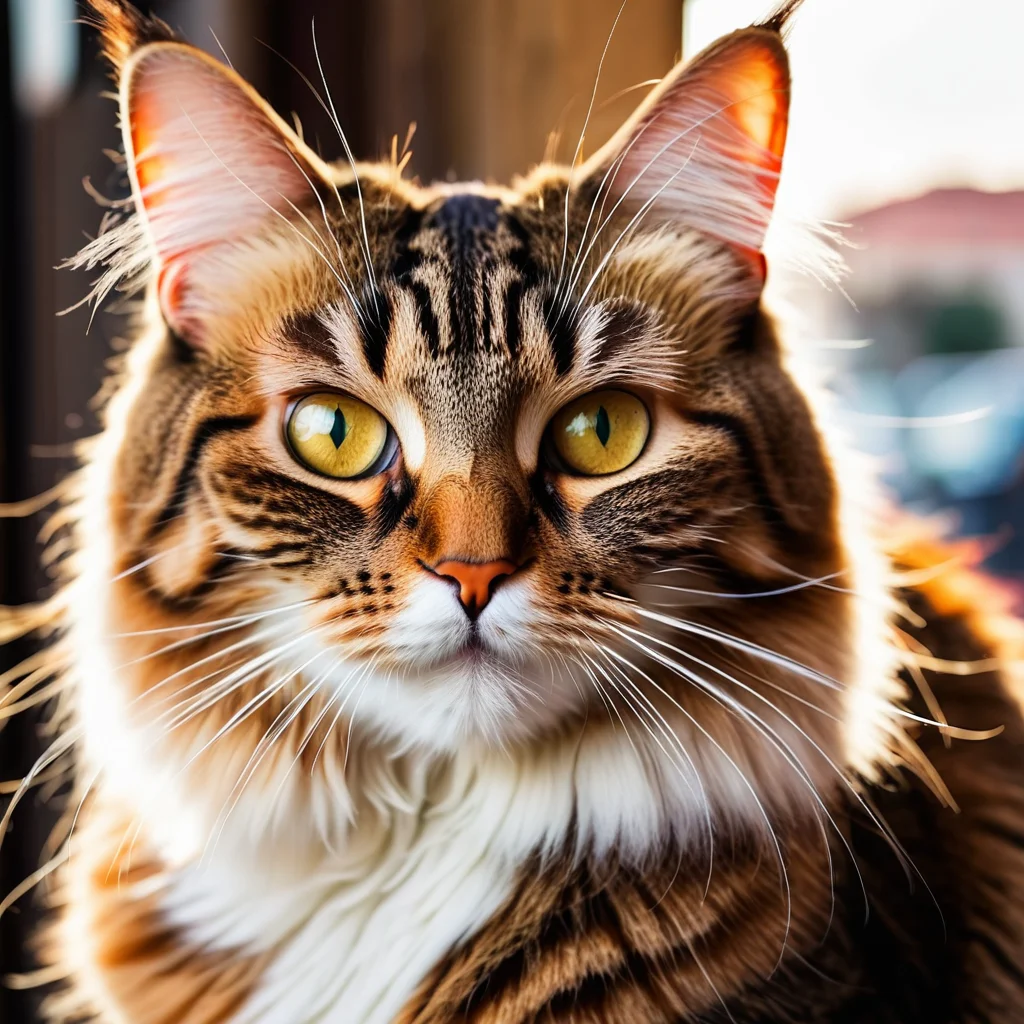

Van is in the Eastern Anatolia region, with a population of 1.1+ million, on the shore of Lake Van, Türkiye's largest lake, and it is the homeland of the Van cat (a Turkish national breed) known around the world. Owning a cat in Van has a special meaning: the culture of breeding and protecting the Van cat, with its white coat and different-colored eyes (heterochromia), is strong. The Faculty of Veterinary Medicine at Yüzüncü Yıl University (Tuşba) is the main source of support. In this post, we look at what makes owning a cat in Van different.
1. Cat Culture in Van
Cat culture in Van is centered on the Van cat. At Yüzüncü Yıl University, the Van Cat Research and Application Center (VANKEDAM) is Türkiye's only Van cat conservation center, active in medical support, breeding and adoption. The city has a strong tradition of neighborhood cats, and there are many street cats.
2. Apartment Living
- Apartment culture is flexible.
- Apartments are usually large.
- Insulation is critical for the harsh winter (−15°C).
- Indoor heating is a must.
- Summers are mild, so air conditioning is optional.
3. By Neighborhood: Tuşba & İpekyolu
- Tuşba (modern center, Lake Van shore): New housing complexes, close to the YYÜ vet faculty and VANKEDAM.
- İpekyolu (old center, Hafıziye, Cumhuriyet): The historic center, with many neighborhood cats.
- Lake Van shore: Waterfront neighborhood cats, fed by fishermen.
4. Other Districts
Erciş, Gevaş, Edremit, Çatak (around Lake Van): Local and waterfront.
Çaldıran, Saray, Özalp (border): High altitude, harsh winters.
Başkale, Gürpınar, Muradiye, Bahçesaray (mountains): Very harsh winters.
5. Vet Network
Clinics are concentrated around the YYÜ vet faculty (Tuşba); which one is open on a given night varies.
6. Monthly Cost Items
- Food
- Litter
- Vet and vaccines
- Parasite treatment
- Toys
- Winter extras (heating, insulation)
The price depends on the city, whether it's a clinic or a hospital, after-hours timing, imaging or hospitalization, and the animal's weight and age. The provincial Chamber of Veterinarians (Veteriner Hekimleri Odası) publishes a yearly minimum fee schedule; the schedule is a floor, not the final bill. Ask the clinic for a written or verbal estimate.
7. Climate: The Most Critical Factor for Cats in Van
- Winter (November to March): −5°C / −15°C, very snowy. Indoor heating is a must, with insulation and a warm bed.
- Summer (June to August): 25-30°C, dry. Air conditioning is optional.
- Spring and fall: Transitional.
- Low humidity means less parasite pressure (yearly deworming is enough).
- Lake Van effect: milder humidity in the lakeside districts.
8. Ways to Adopt
- The DoldurKabı app.
- Van Metropolitan Municipality.
- District municipalities.
- Associations: Van Hayvan Severler, Van Kedisi Koruma.
- VANKEDAM (YYÜ): Van cat adoption, with a yearly application and a conservation agreement.
- Adopting from the street (neighborhood cats).
9. Tips Specific to Van
- Adopting a Van cat: An official VANKEDAM application and a conservation agreement. Genetic tracking of heterochromia and the white coat.
- Winter preparation (October): A warm bed, a heating mat, sealing gaps under doors.
- The Van cat's love of swimming: The water station gets used more.
- Regular checkups at the YYÜ vet faculty.
- Indoor activity in winter (5-6 months) means toys and scratching posts.
- Skin in a dry climate: Encourage drinking water.
10. 5 Practical Tips
- Get to know the vet in your neighborhood.
- Microchip and DoldurKabı registration.
- Check insulation before winter.
- Apply to VANKEDAM to officially adopt a Van cat.
- Visit the municipal shelter: street cats with Van cat mixes.
Owning a cat in Van, in the homeland of the Van cat, on the shore of Lake Van, with the support of the YYÜ vet faculty and VANKEDAM, is a deeply meaningful experience. The discipline of a harsh winter is essential, but the cultural and biological value of the Van cat is unique. You can find adoption listings in Van on DoldurKabı.









