


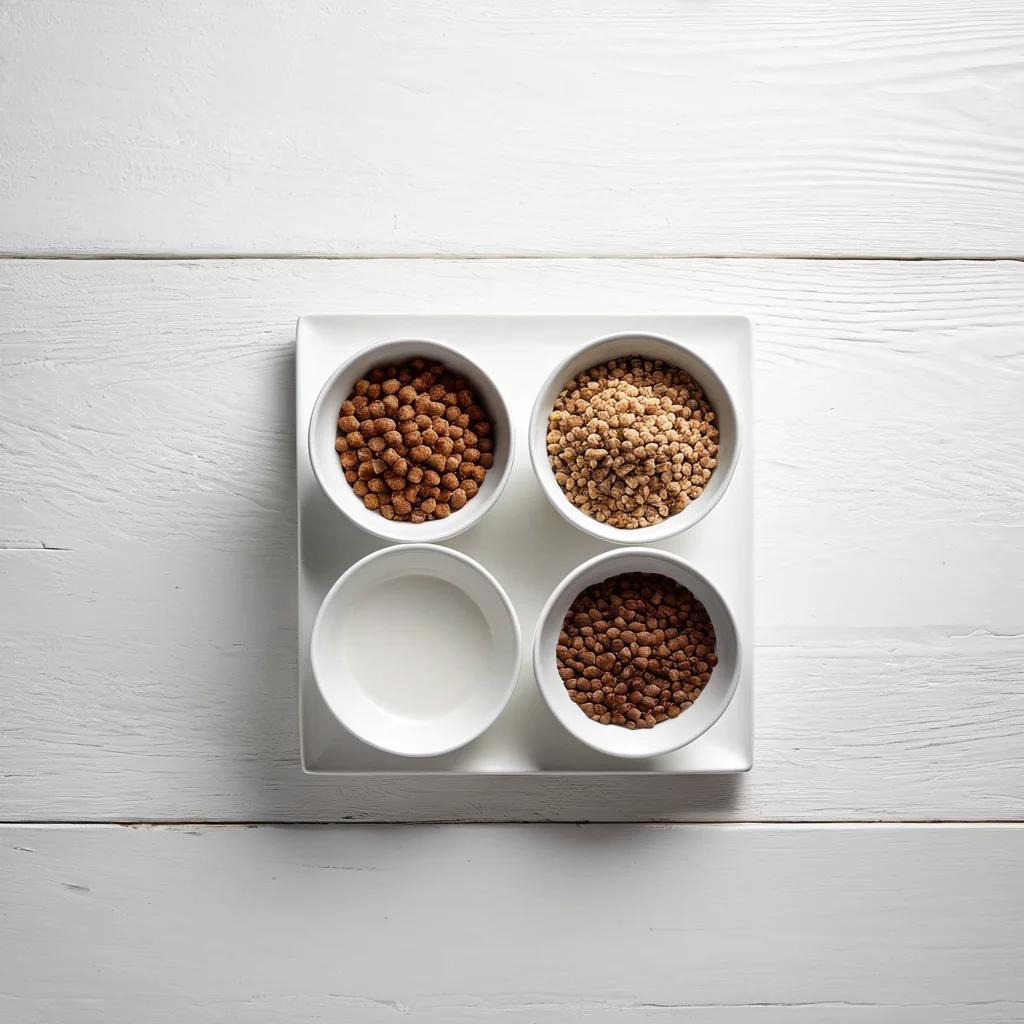

In the pet aisle at the supermarket there are two big shelves: cans of wet food and bags of dry food. "Which one is healthier?" is one of the nutrition questions owners and vets talk about most often. The right answer is not "one is better than the other." Both have strengths and drawbacks; the right choice depends on whether you have a dog or a cat, their age and their health.
This post compares the two food types scientifically, explains when to choose which, and helps you avoid common mistakes. Always talk to your vet individually about a feeding plan.
1. Wet Food: Advantages
- High moisture (70-80%): Critical for cats that drink less water; the first choice for a cat at risk of FLUTD.
- High protein: Usually 10-12% (by wet weight); the dry-matter equivalent is 40-50% protein.
- Taste: A cat's or dog's sense of smell is activated by moisture; a pet with a poor appetite usually accepts wet food.
- Easy to swallow: For senior pets, pets with dental problems and after surgery.
- Lower calorie density: A good choice for weight control.
2. Wet Food: Drawbacks
- More expensive: 2-3 times the cost of dry food for the same calories.
- Short shelf life: 1-2 days in the fridge once opened.
- Dental plaque buildup: The soft texture sticks to teeth; feeding only wet food all the time is a risk for dental health.
- Storage space: Cans take up room at home.
- Environmental impact: Metal or plastic can packaging.
3. Dry Food: Advantages
- More economical: Lower cost for the same calories.
- Long shelf life: 1-2 months once opened (in an airtight container).
- Abrasive effect on teeth: Kibble makes mechanical contact with a dog's or cat's teeth, and some premium products are formulated for dental care.
- Easy to store: A plastic box or bag at room temperature.
- Works with automatic feeders: Easy to dispense automatically with a smart bowl.
- Works with food puzzle toys: For mental exercise.
4. Dry Food: Drawbacks
- Low moisture (6-10%): A risk for cats that don't drink water; a threshold factor for FLUTD.
- High calorie density: Overfeeding leads to obesity quickly.
- Heavily processed: It goes through extrusion; some vitamins are damaged by heat (premium products add supplements afterward).
- Less aroma: Harder to motivate a pet with a poor appetite.
- Hardness: Difficult to eat for senior pets or pets with dental problems.
5. Mixed Feeding: The Most Common Solution
Many veterinary nutritionists recommend mixed feeding: both wet and dry food in a balanced ratio. The advantages:
- Moisture, taste and protein from wet food.
- Economy, dental benefits and easy storage from dry food.
- Variety keeps your cat or dog from becoming hooked on "only one brand."
A typical mixed ratio: 50% wet + 50% dry by calories. A routine like dry in the morning and wet in the evening. With mixed feeding, the total daily calories should stay the same.
6. Which One, When?
| Situation | Choice |
|---|---|
| Healthy adult cat | Mixed (50/50) or mostly wet |
| Healthy adult dog | Mixed or mostly dry |
| Cat at risk of FLUTD | Mostly wet food |
| Diabetic dog or cat | Prescription diet with consistent carbohydrates (wet or dry, the vet decides) |
| Senior, with dental problems | Mostly wet food |
| Weight loss | Mostly wet food (lower calories) |
| Pet with a poor appetite | Wet food (aroma) |
| You want automatic feeding | Dry food |
| For dental care | Premium dental dry food |
7. Switching and Mixing
Switch to a new food gradually over 7-10 days:
- Days 1-3: 75% old + 25% new.
- Days 4-6: 50/50.
- Days 7-9: 25% old + 75% new.
- Day 10: 100% new.
A sudden switch means diarrhea, vomiting and food refusal. For a pet with a sensitive stomach, the switch can be stretched to 14 days.
8. Common Mistakes
- The "only wet food for cats" view. Wet food comes first for cats, but 100% wet food can cause dental problems.
- Storing wet food at room temperature. Once opened, always keep it in the fridge for 1-2 days, then throw it out.
- Too much dry food. Too many calories lead to obesity. Weighed portions are a must.
- Too few water bowls. A cat that eats only dry food needs 2-3 water spots at home, and a fountain if possible.
- Constantly changing food brands. It can upset a sensitive stomach; stick with consistency.
- Falling for the word "premium." Reading the label is a must: the protein source, the first 3 ingredients and the carbohydrate ratio.
9. Reading the Label
What to look for on a pet food label:
- The first 3 ingredients: The main ingredient (it should name the meat and the type; "chicken breast," not "chicken by-products").
- Protein ratio (on a DM basis): >25% for an adult dog, >35% for a cat.
- Carbohydrates: High-grain products are debated; some vets prefer grain-free.
- Fat ratio: Depends on age and activity. Too much fat is a pancreatitis risk.
- AAFCO or FEDIAF approval: Approval for complete and balanced nutrition.
- Artificial colors and preservatives: As few as possible.
10. Frequently Asked Questions
My dog only eats wet food. Is that normal?
Wet food is tasty, and some dogs prefer it. For dental care, adding dry food once or twice a day or a dental chew helps. Make a plan together with your vet.
How should dry food be stored?
In an airtight plastic container in a cool, dry place. Use it within 1-2 months of opening. Storing it too long oxidizes the fats, so it loses taste and nutritional value.
Do I need to warm up wet food?
If wet food straight from the fridge feels too cold or your pet refuses it, let it come to room temperature (10-15 minutes) or warm it in the microwave for a few seconds (lukewarm, not hot).
Does "hairball control" food for cats really work?
Fiber and special formulas help pass hairballs, but they are not a solution on their own: combine them with regular brushing and (if needed) malt paste.
Is cheap pet food really harmful?
"Cheap" does not mean bad, but very low-priced foods usually contain "meat by-products" as the main protein, plus lots of grain and low-quality fat. Over time, that is a health risk. A good-quality mid-range food is also a good balance.
Is vegan food suitable for dogs and cats?
For dogs it is debated, but it may be possible in some cases (supervision by a veterinary nutritionist is a must). It is absolutely not suitable for cats: cats are obligate carnivores, and if essential nutrients like taurine don't come from animal sources, the result is heart and eye damage.
How should mealtimes be planned?
Adult dog: 2 meals a day. Adult cat: 3-4 small meals (matching a cat's natural hunting pattern). For a diabetic pet, mealtimes are synced with medication.
Final Word
In the wet food vs. dry food debate, there is no single "right answer," only "the right answer for your pet." The soundest approach is to plan with your vet, looking together at your pet's age, species, health, your budget and your lifestyle.
If you write notes on food brands, portion sizes and switch dates in DoldurKabı Pet Health Tracking, you can systematically track what worked and why.
This guide is for information only; talk to your vet about an individual feeding plan.









