


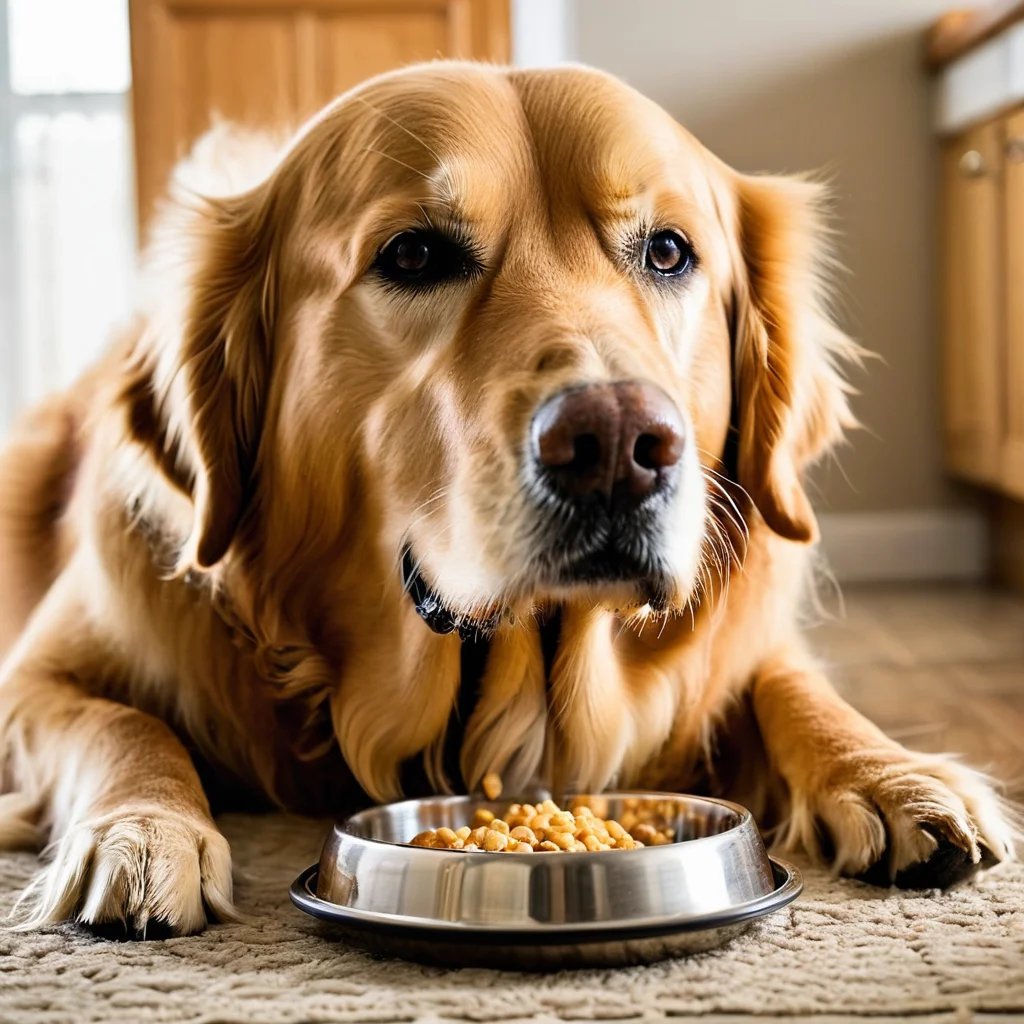

Feeding a senior pet means meeting needs that differ from the adult years. Metabolism slows and calorie needs drop, but the need for high-quality protein, antioxidants, omega-3 and glucosamine goes up. Senior food formulas provide this balance. For dogs, the senior years start at 7+, for cats at 10+. In this post, we look at the details of senior food, when to switch and extra supplements.
1. Senior Age Thresholds
- Small dogs (under 10 kg): Senior at 9-10 years.
- Medium dogs: 8-9 years.
- Large dogs (25 kg+): 7-8 years.
- Giant dogs: 6-7 years.
- Cats: Senior at 10-11 years, geriatric at 14+.
2. Physical Changes with Aging
- Metabolism slows by 20-30%.
- Muscle mass decreases (sarcopenia).
- Joint wear.
- Decline in cognitive function.
- Weakening immune system.
- Dental + appetite problems.
- Reduced kidney + liver function.
- Loss of vision + hearing.
3. Features of Senior Food
- Lower calories (10-15% less): Balances out lower activity.
- High-quality protein: Preserves muscle (the low-protein myth is wrong; high quality is what matters).
- Low phosphorus: Protects the kidneys.
- High fiber: Digestion + feeling full.
- Extra omega-3: Joints + cognition.
- Antioxidants: Vitamins E and C, selenium.
- Glucosamine + chondroitin: In some foods.
- Easy to digest.
- L-carnitine: Heart + muscle.
4. Senior Dog Food Brands
- Royal Canin Senior: Age- and breed-specific.
- Hill's Science Plan Senior: Mature Adult + Senior Vitality.
- Purina Pro Plan Bright Mind Senior: Focused on cognition.
- Acana Senior.
- Price: 400-700 Turkish lira/kg.
5. Senior Cat Food Brands
- Royal Canin Aging 12+, Senior Consult Stage 1-2.
- Hill's Senior Vitality + Mature Adult.
- Purina Pro Plan Bright Mind 11+.
- Prefer wet food: Water intake + digestion.
6. When to Switch
- A vet checkup when your pet reaches the age threshold.
- Blood tests (BUN, creatinine, ALT, ALP).
- If the vet recommends senior food, switch gradually over 7-14 days.
- An active, healthy senior dog can sometimes stay on adult food.
- If there are joint or kidney problems, switch to senior food early.
7. Extra Supplements (Seniors)
- Omega-3 (EPA+DHA): Joints + cognition + kidneys + heart.
- Glucosamine + chondroitin: Joints.
- SAM-e: Liver + cognition.
- L-carnitine: Heart + muscle.
- Antioxidant complex (E, C): Anti-aging.
- Probiotics: Gut.
- B vitamins (especially B12 for cats): Absorption declines with age.
- Cognitive support (for cognitive dysfunction): Selegiline, omega-3, antioxidants.
8. Dental Problems in Seniors + Feeding
- Tooth loss is common in senior dogs and cats.
- They may not be able to eat hard dry food.
- Wet food + soaked dry food.
- Soft treats.
- Annual dental care + scaling.
9. Weight Management
- Obesity in seniors puts strain on the joints + heart.
- Weight loss in seniors: muscle wasting + possible illness.
- Target BCS 4-5/9.
- Weigh monthly + adjust.
- Sudden weight loss in a senior cat: rule out hyperthyroidism, diabetes, kidney disease.
10. Adjusting Mealtimes for Seniors
- A raised bowl (no bending down).
- Food at room temperature (senior cats refuse cold food).
- Multiple water bowls + a fountain (water intake drops with age).
- A quiet, calm setting.
- For a senior cat, food near a warm bed (they tire easily).
- A vet visit + full blood panel every 6 months.
Senior food for older pets responds to the needs that change with age. The combination of lower calories + high-quality protein + omega-3 + antioxidants + joint support improves quality of life + slows health problems. With the switch made under a vet's supervision + extra supplements, an older animal can live comfortably for years. In the DoldurKabı app, you can find vet clinics experienced in senior care on a map.









