
Most owners notice that senior pets struggle in the cold, but the reason isn't always clear. The cat gets out of bed later, the dog walks stiffly for the first five minutes of a walk and pauses on the stairs. When the weather warms up, things get a little better.
The issue here isn't only temperature. With age, muscle mass shrinks, joint cartilage thins, and fat tissue and coat insulation change. When cold piles on top of all this, moving becomes more tiring and the animal moves less. Moving less speeds up muscle loss, and the cycle feeds itself.
Changes you can make at home slow this cycle down. What follows is not treatment; pain management and diagnosis are your vet's job. What we describe here are changes to the environment that make daily life more comfortable.
What changes for a senior pet in the cold
The first change shows up in the mornings. Joints that stay still for a long time stiffen, and the first steps are hard. After a few minutes the animal loosens up, so the owner may think it's minor.
The second change is in favorite spots. A senior pet seeks warmth and moves closer to the radiator, the heater or a sunny spot. That closeness creates a burn risk, because older animals are less eager to move and pull away from a hot surface late.
- Note the stiffness when your pet first gets up in the morning, which leg it affects and how long it lasts.
- Write it down if your pet has started struggling with stairs, getting onto the couch or getting into the car.
- Record it if the way your pet lies down or where it sleeps has changed.
- Grumpiness, pulling away when touched and vocalizing can be quiet signs of pain.
Bed placement and choosing a bed
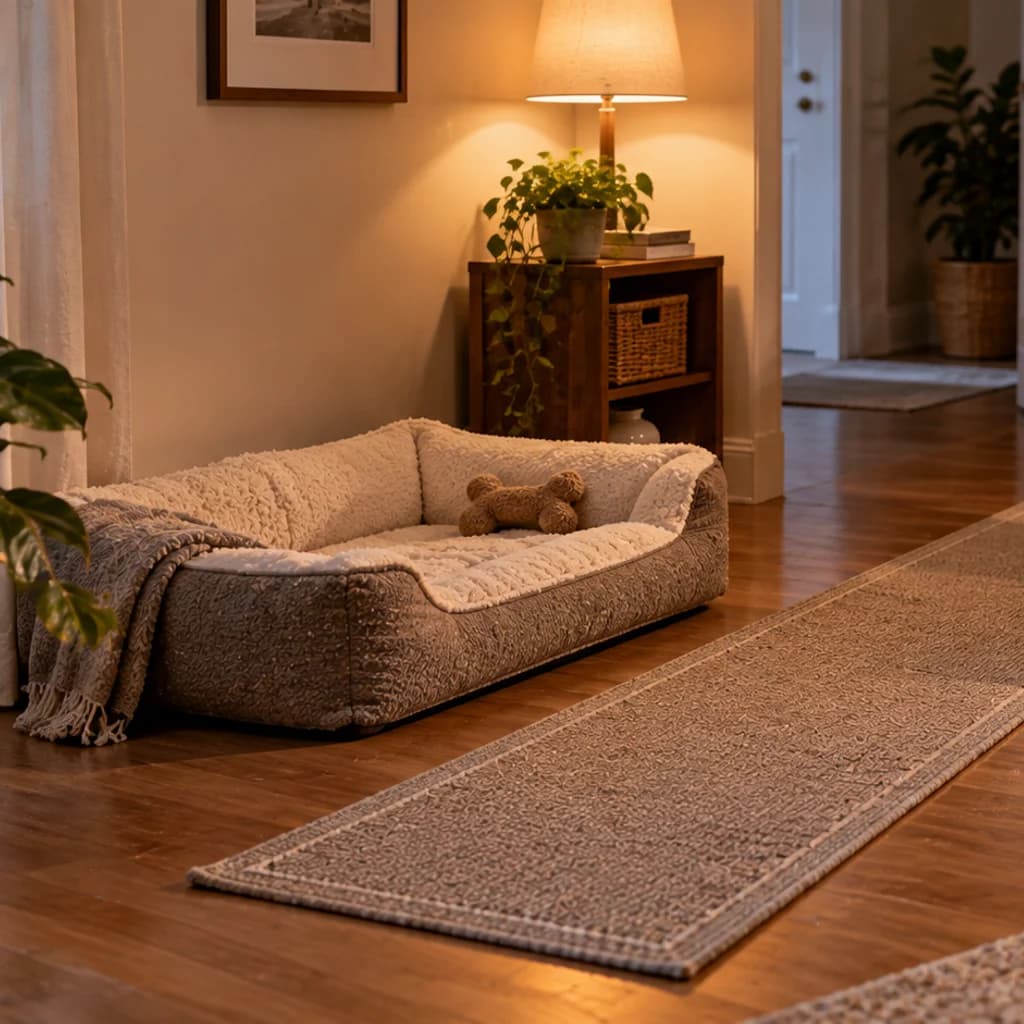
A senior pet's bed should do three things: stay away from drafts, block the cold from the floor and make getting in and out easy. In front of the door, next to the balcony door and under the window are the worst spots in winter.
Putting a layer of insulation between the floor and the bed makes a difference. A thin cushion laid directly on tile or marble doesn't help. A thick bed that doesn't flatten spreads the pressure on the joints. Very soft beds that your pet sinks into can make getting up harder; a medium-firm surface with supportive edges is usually more practical.
- Move the bed against a wall, out of the path of drafts.
- Lay a thick rug or cork mat underneath for insulation.
- Instead of a bed with very high sides, choose one that is easy to step onto.
- Set up more than one resting spot in the home so your pet isn't cut off from attention and warmth.
Cats don't lose their need for height with age; it just gets harder to reach. Adding an in-between step to a favorite high spot lets them keep using it.
Floors, slipping and safe pathways
Slippery floors are a quiet problem for senior pets. Paws that can't grip on hardwood or tile make the muscles work extra with every step. An animal that slips once starts avoiding that area, and the space it moves around in shrinks.
The fix isn't complicated. Lay non-slip rugs or runners along the routes your pet uses often, meaning the path from the bed to the water bowl, the door and the bathroom area. Keep rug edges from curling, and put a non-slip backing underneath.
When the fur between the paw pads grows long, slipping increases. Long nails also throw off posture. If you're unsure about nail trimming, have it done at your vet or a grooming place; cutting too short hurts and causes bleeding.
- Reduce stair use; if needed, put non-slip tape on the steps.
- Add a gently sloped ramp or a wide step for getting onto the couch and bed.
- For cats, choose a litter box with a lower edge and put it somewhere easy to reach.
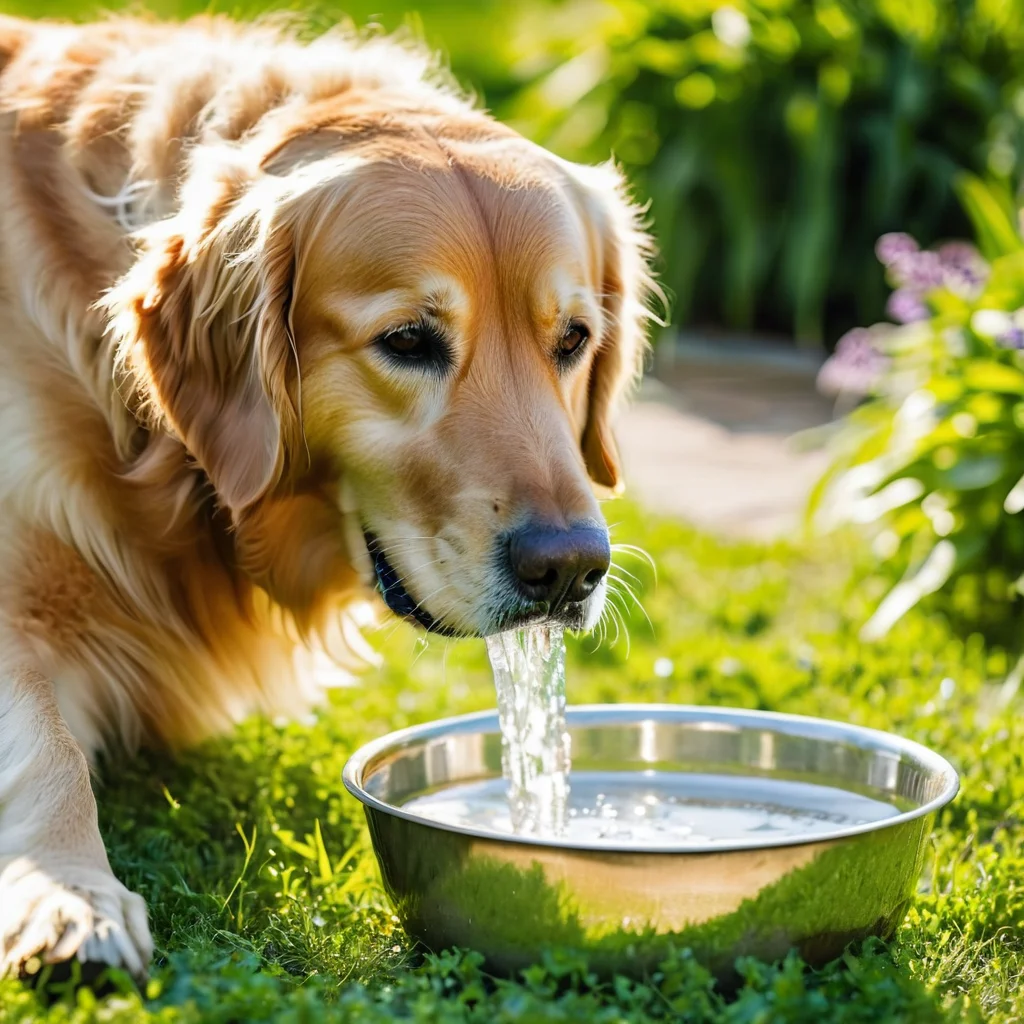
- Raising the water and food bowls slightly can reduce strain on the neck and shoulders.
Warming up: safe heat, safe distance
Warmth is good for a senior pet, but the heat source needs to be controlled. Electric blankets, heaters and stoves can cause burns through direct contact. Because fur hides the damage, the problem is usually noticed late.
The safer option is insulation. A thick bed, a cotton cover, blocking drafts and keeping the room's overall temperature steady are better than high heat from a single spot. If you do use a device, choose one with a timer shut-off, a low heat setting and tip-over shut-off; always hide the cables.
When going outside, a coat helps short-haired, thin or very old dogs. Check that the coat doesn't restrict movement or rub under the front legs. Towel-dry a pet that got wet in the rain once you're inside; wet fur speeds up heat loss.
Small changes that keep your pet moving
For a senior pet, the goal isn't rest; it's keeping up movement. Stopping completely speeds up muscle loss. The right approach is to split the same total time into shorter, more frequent sessions.
Instead of one hour-long walk, most senior dogs handle short, regular walks more comfortably. Letting your dog walk around slowly at home for a few minutes before heading out keeps cold muscles from being loaded all at once.
- Let your pet set the pace of the walk; give it time to sniff and don't pull.
- Avoid icy and salted ground; wipe the paws with lukewarm water when you get back.
- For cats, keep play sessions short and close to the floor; avoid games that call for high jumps.
- If there are signs of pain, talk to your vet before trying longer walks.
Knowing the joint issues your pet's breed is prone to makes it clearer what to watch for; the breed pages in the encyclopedia can be a starting point. If you're thinking of bringing a senior pet home, it's a good idea to plan from the start for the care needs of senior animals waiting in shelters and in adoption listings.
What to talk about with your vet
Home changes improve comfort; they don't treat pain. Limping, avoiding stairs, grumpiness, changes in sleep patterns, constantly licking one area and clear difficulty getting out of bed all call for an exam.
Don't give your pet painkillers meant for people. Many of them are seriously toxic to cats and dogs, and even small amounts can be dangerous. Only a vet decides on medication, dose and duration. You can reach suitable clinics through the vet list.
Go to the appointment prepared. The notes you kept at home, when the stiffness started, which movements are hard and a short video of a walk make the assessment easier. Weight tracking matters too; extra weight directly increases the load on the joints.
Frequently Asked Questions
Should I stop walking my senior dog in winter?
Inactivity speeds up muscle loss, so cutting walks out completely isn't the right call. Shorten the time, increase how often you go and pick the least cold hours. If there is strong wind, ice or heavy rain or snow, switch to light activities you can do at home that day.
Should I give a joint support product?
Talk to your vet about the decision to use a supplement. The choice of product should be considered together with your pet's weight, age, kidney and liver health and any other medications it takes. Following a suggestion you saw online directly can mean an underlying problem gets noticed late.
My senior cat won't leave the heater. Is that a problem?
Long contact can cause skin irritation and burns. Put a safe distance between the cat and the heater, and place a thick, warm bed nearby. If the search for warmth has clearly increased and other changes such as weight loss or a worsening coat come with it, an exam is needed.
At what point is stiffness no longer normal?
Mild morning stiffness that eases within a few minutes is different from limping that lasts all day. If the difficulty lasts longer, if your pet has started avoiding movements it used to do or if it reacts when touched, don't write it off as a natural part of aging; have your vet take a look.