


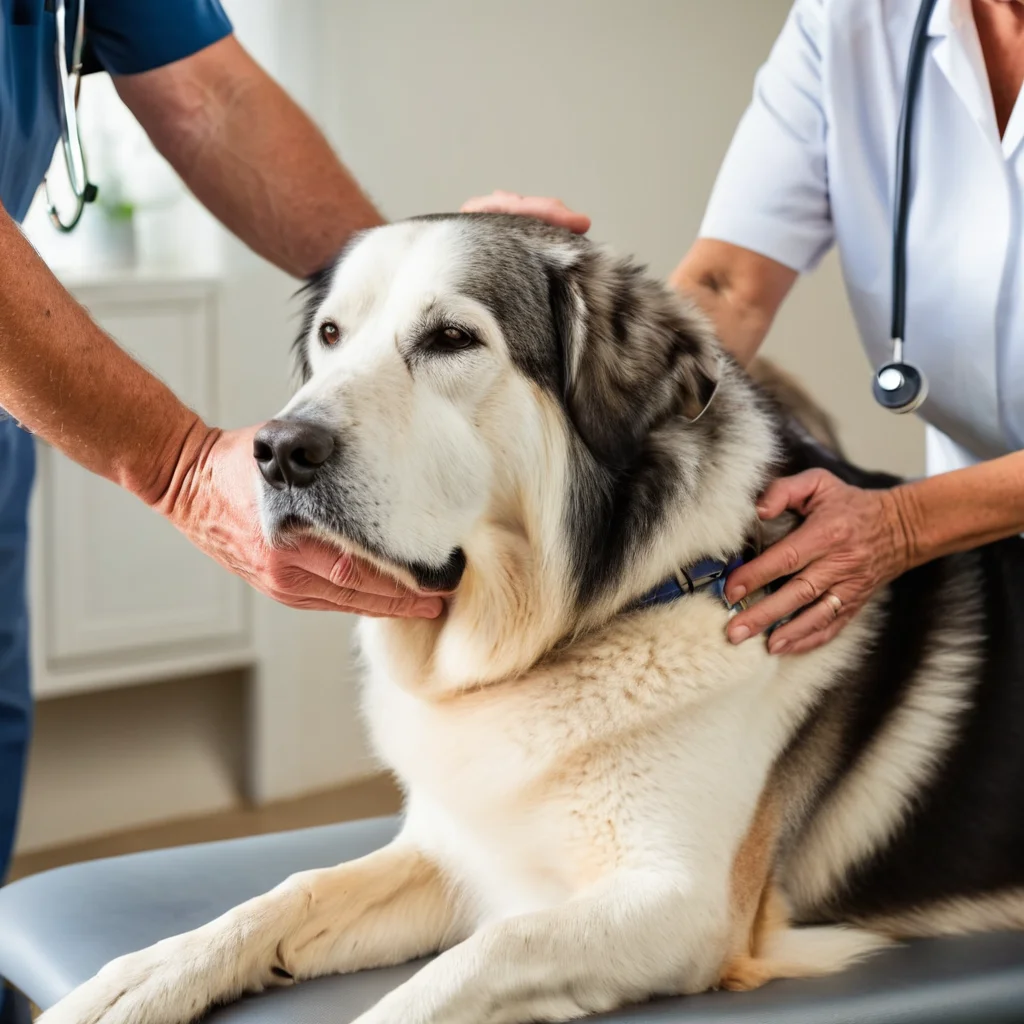

Pain management in senior pets is one of the most critical topics in geriatric care. Older dogs and cats hide pain, owners do not notice, and the animal can suffer for years. The sources include joints, cancer, teeth and nerves. A multimodal approach (NSAIDs, monoclonal antibodies, physiotherapy, supplements and acupuncture) is the modern standard. In this post we look at a detailed protocol for managing pain in senior pets.
1. Signs of Pain in Senior Pets (Sneaky)
- Social withdrawal and lack of interest.
- Reduced appetite.
- Hiding, lying in a corner of the bed.
- Excessive licking (especially of one area).
- Sudden aggression when touched.
- Disrupted sleep patterns.
- General behavior changes.
- Changes in vocalization.
- Less walking and activity.
- Writing it off as "just getting old" can hide real pain.
2. Sources of Pain
- Joints (osteoarthritis): The most common pain in senior pets. 80% of dogs aged 8+.
- Cancer: Bone, organ, skin; chronic pain.
- Dental: Tooth decay, gum inflammation, root inflammation.
- Back: IVDD (intervertebral disc disease), spondylosis.
- Neurological: Nerve pain, neuropathy.
- Abdominal: Pancreatitis, IBD, kidney stones.
- Vision and hearing: Glaucoma is painful.
3. NSAIDs (Non-Steroidal Anti-Inflammatory Drugs)
The standard treatment for joint and inflammatory pain:
- Carprofen (Rimadyl): Standard for dogs. Liver and kidney monitoring.
- Meloxicam (Metacam): Dogs and cats (with caution in cats).
- Galliprant (grapiprant): Dog-specific, fewer side effects.
- Robenacoxib (Onsior): A cat-approved NSAID.
- Yearly blood work (liver and kidneys).
4. Monoclonal Antibodies (Modern)
Anti-NGF, the biggest innovation of recent years:
- Librela (bedinvetmab) for dogs:
- Monthly subcutaneous injection.
- Anti-NGF; it blocks nerve growth factor.
- An alternative or add-on to NSAIDs.
- Minimal side effects.
- Monthly cost 800-1,500 Turkish lira.
- Solensia (frunevetmab) for cats:
- Monthly injection.
- NSAID use in cats is limited, so this is a revolution.
- For osteoarthritis in senior cats.
5. Other Medications
- Gabapentin: Neuropathic pain plus a calming effect. Popular for senior cats.
- Tramadol: Moderate to severe pain (effectiveness is debated).
- Buprenorphine: An opioid for cats, given as an oral spray.
- Amantadine: NMDA receptor; chronic pain.
- Adequan (PSGAG): A joint-protective injection.
6. Supplements
- Glucosamine plus chondroitin: The joint standard.
- MSM: Anti-inflammatory.
- Omega-3 (EPA+DHA): Anti-inflammatory at high doses.
- Green-lipped mussel: Natural joint support.
- Hyaluronic acid: Injection or oral.
- Brands such as Cosequin, Synoquin and Dasuquin.
7. Physiotherapy and Rehabilitation
- Hydrotherapy (underwater treadmill): Joint-friendly exercise.
- Passive joint mobilization.
- Massage: Reduces muscle tension.
- Laser therapy: Cold laser reduces inflammation.
- Acupuncture: Effective in some cases.
- TENS (electrotherapy): Pain modulation.
- Veterinary physiotherapy is growing in Türkiye.
8. Modern Regenerative Treatments
- PRP (platelet-rich plasma):
- Platelet-enriched plasma taken from the dog's own blood.
- Injected into the joint.
- A natural healing stimulus.
- Stem cell therapy:
- Derived from fat tissue or bone marrow.
- Joint regeneration.
- Offered by some clinics in Türkiye.
- Ozone therapy.
- Costs are high.
The fee depends on the city, whether it is a clinic or a hospital, after-hours timing, imaging or hospitalization, and the animal's weight and age. The provincial Chamber of Veterinarians (Veteriner Hekimleri Odası) publishes a yearly minimum fee schedule; the schedule is a floor, not the final bill. Ask the clinic for a written or verbal estimate.
9. Adapting the Home
- Orthopedic bed (memory foam).
- Heated bed (eases joint pain).
- Non-slip rugs.
- Ramps (for the bed and the car).
- A low-sided litter box (cats).
- A raised food bowl (easier on the neck).
- A warm, dry environment (joint pain gets worse in the cold).
10. Multimodal Approach (Stronger Results)
One treatment is not enough; combine them:
- NSAIDs plus Librela/Solensia.
- Gabapentin (neuropathic).
- Glucosamine plus omega-3.
- Weekly physiotherapy.
- Home adaptations.
- Weight control (load on the joints).
- A vet assessment and dose adjustment every 3 months.
In senior pet pain management, a combined approach gives the strongest results. The formula of NSAIDs, monoclonal antibodies, physiotherapy, supplements, home adaptations and weight control protects most pets' quality of life for years. The modern Librela/Solensia treatments are a revolution. Do not let pain stay hidden: owners need to keep watching closely and stay in touch with the vet. In the DoldurKabı app, you can find vet clinics experienced in senior pet care and orthopedics on a map.









