


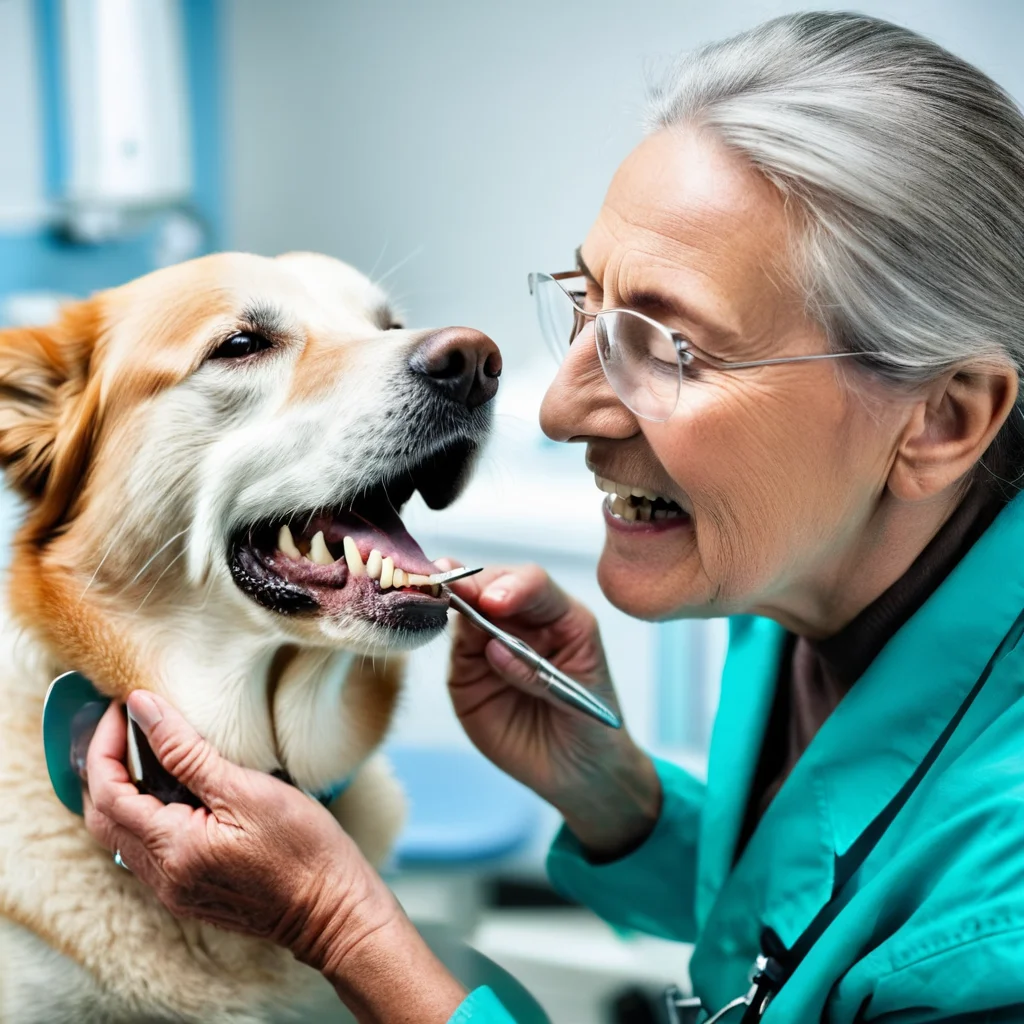

Dental health in senior pets is a cornerstone of overall health. Tartar and gum disease affect 80% of dogs and 70% of cats by age 3. In senior pets, this rate reaches 95%. Bacteria pass from the mouth into the bloodstream and can damage the heart, kidneys and liver. Combining an annual scaling, daily brushing and dental chews extends lifespan by 1-3 years. In this article, we take a detailed look at dental care for senior pets.
1. Dental Health Statistics in Senior Pets
- Over age 3: dental disease in 80% of dogs and 70% of cats.
- Age 7 and up: 90% or more.
- Dogs and cats age 10 and up: 95% or more.
- Most owners don't notice.
- "Dog breath" is not natural; it comes from bacteria.
2. Stages of Dental Disease
- Stage 1, gingivitis: Gum inflammation, bleeding. Treatable.
- Stage 2, early periodontitis: Mild bone loss.
- Stage 3, moderate periodontitis: 25% bone loss.
- Stage 4, severe periodontitis: 50% or more bone loss, tooth loss.
- Stages 1-2 are reversible; stages 3-4 are not.
3. Symptom List
- Bad breath.
- Yellow-brown tartar.
- Red, swollen gums.
- Bleeding (while eating).
- Trouble eating, dropping food.
- Chewing on one side.
- More drooling.
- Loss of appetite.
- Behavior changes (pain).
- Sensitivity around the face.
4. Effects on the Whole Body (Important)
Dental bacteria don't stay in the mouth:
- Heart: Bacterial endocarditis, an infection of the heart valves.
- Kidneys: Glomerulonephritis, inflammation of the kidneys.
- Liver: Hepatitis, abscess.
- Lungs: Aspiration pneumonia.
- Dental treatment protects overall health.
5. Professional Scaling and Polishing
The standard annual dental treatment at the vet:
- Done under general anesthesia.
- Ultrasonic scaling to remove tartar.
- Subgingival cleaning (below the gumline).
- Polishing to smooth the tooth surface.
- Radiography to assess root health.
- Extraction of questionable teeth.
- Antibiotics (if needed).
- Cost
The price depends on the city, whether it is a clinic or a hospital, after-hours visits, imaging or hospitalization, and the pet's weight and age. The provincial Chamber of Veterinarians (Veteriner Hekimleri Odası) publishes an annual minimum fee schedule; this schedule is a floor, not the final bill. Ask the clinic for a written or verbal estimate.
6. Anesthesia Risk in Senior Pets
- Anesthesia is riskier for senior pets, but skipping treatment carries a bigger risk.
- A pre-anesthetic blood test is a must.
- Heart and kidney assessment.
- Modern anesthesia protocols are very safe.
- An anesthesia plan tailored to seniors.
- "Anesthesia-free dental cleaning" is a limited alternative: it removes surface tartar but does NOT clean below the gumline. Not enough.
7. Daily Toothbrushing (The Gold Standard)
- Daily brushing is ideal; 2-3 times a week is the minimum.
- Toothpaste made for dogs and cats (no xylitol).
- A finger brush or a soft brush.
- Start getting them used to it as puppies or kittens; it is harder with senior pets.
- For senior pets, short sessions with rewards.
- Slows tartar buildup.
8. Dental Chews and Food
- VOHC (Veterinary Oral Health Council) approved products:
- Greenies, Whimzees (dogs).
- Greenies (cats).
- Dental food:
- Hill's t/d (Tartar Diet).
- Royal Canin Dental.
- Large, textured kibble with a toothbrushing effect.
- Water additives: Hexarinse, Aquadent. Limited effect, but helpful.
9. Notes Specific to Senior Pets
- Senior pet that has lost teeth: choose wet food.
- Hard food carries a risk of broken teeth.
- Pulling several teeth is often necessary.
- Owners shouldn't panic; pets live well without teeth.
- The "don't pull even one tooth" myth: if needed, teeth should be pulled.
10. Prevention Plan
- Get them used to toothbrushing from a young age.
- Dental checkup and scaling at age 2.
- Annual scaling from age 3.
- Dental exam every 6 months for seniors.
- A combination of daily brushing, dental chews and dental food.
- At the first sign, see the vet; don't wait.
Dental care for senior pets is a cornerstone of overall health. The formula of annual scaling, daily brushing, dental chews and dental food protects both oral health and lifespan. The risk of anesthesia is often exaggerated; the risk of not doing the treatment is greater. In the DoldurKabı app, you can find vet clinics with dental experience on a map.









