


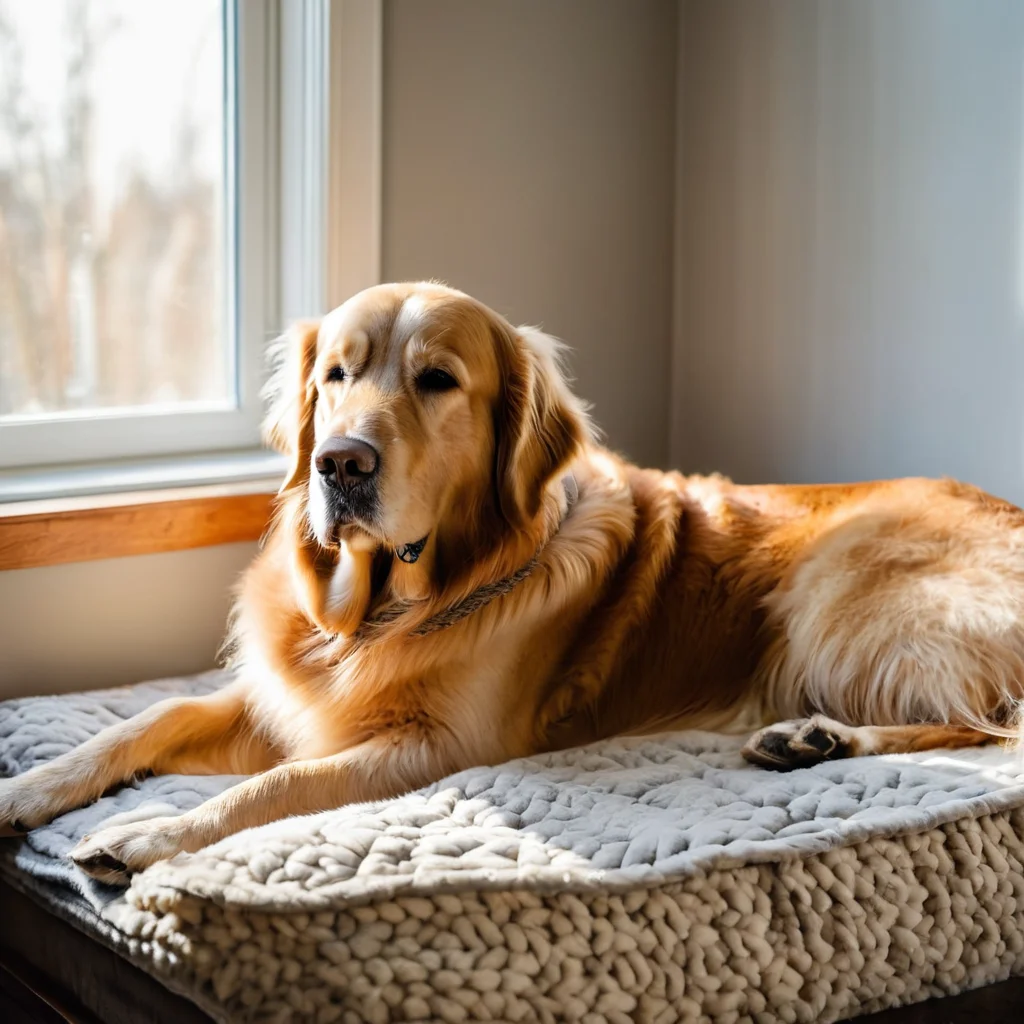

Winter brings challenges for older (senior) pets: joint pain increases, arthritis flares up and movement decreases. Senior pets are dogs aged 7+ (large breeds 6+) and cats aged 10+. A warm bed, short exercise, food portions, a heat pad, glucosamine, NSAIDs, physical therapy. In this post we take a detailed look at managing winter for senior pets.
1. Winter Problems for Senior Pets
- Cold → joint pain gets worse.
- Inactivity → muscle weakening.
- Weaker immunity → infection risk.
- Dry skin → itching.
- A greater tendency toward dehydration (dry air).
- More sleep.
- Loss of appetite.
- Mental sharpness declines (CDS).
2. Arthritis and Joints
- 80%+ of senior pets have some degree of arthritis.
- Cold weather increases pain.
- Signs: trouble getting up, difficulty with stairs, limping.
- Getting up in the morning is harder.
- NSAIDs (Carprofen, Meloxicam) with vet approval.
- Glucosamine and chondroitin support.
- Omega-3 as an anti-inflammatory.
- Adequan (PSGAG) injections.
3. Bed and Comfort
- An orthopedic memory foam bed.
- Raised off the floor (the floor is cold).
- More than one bed (one in each room).
- A washable cover.
- A warm spot (near the radiator, but not too close).
- Blankets and a soft cushion.
- Price of a joint-support bed for seniors: 600-3,000 Turkish lira.
4. Heat Pad (Snuggle Safe)
- A pet pad you warm up in the microwave.
- Stays warm for 10 hours.
- No cables or electricity = safe.
- Goes in the pet's sleeping area.
- Heat therapy for joint pain.
- Price: 400-1,200 Turkish lira.
- Alternative: a hot water bottle wrapped in a towel.
5. Managing Exercise
- Short, frequent walks (5-10 min × 3).
- Avoid icy sidewalks (slipping).
- Ice can burn paws.
- Road salt irritates paws.
- Boots/socks for protection if your senior tolerates them.
- Light activity indoors (slow walking, stretching).
- Physical therapy (hydrotherapy).
6. Adjusting Nutrition
- Senior food (joint and digestive support).
- Less activity = fewer calories.
- Excess weight puts extra load on the joints.
- Small, frequent meals (seniors digest slowly).
- Increase the share of wet food (water and easier swallowing).
- Tooth loss = soft food.
- Probiotic and omega-3 supplements.
7. The Importance of Hydration
- Senior pets have sensitive kidneys.
- Dry winter air and heating → dehydration.
- Several water bowls.
- An automatic water fountain.
- Wet food is 75-80% water.
- Track water intake.
- Drinking too much = a sign of diabetes/kidney problems (see the vet).
8. Vaccines and Vet Checkups
- A vet checkup every 6 months for senior pets.
- Baseline blood and urine tests.
- Thyroid screening.
- Dental check and cleaning.
- Vaccines up to date (weaker immunity).
- Watch for winter flu and upper respiratory infections.
- Early intervention = a longer life.
9. Cognitive Dysfunction (CDS)
- "Alzheimer's" in senior dogs and cats.
- Signs: confusion, a reversed sleep-wake cycle, toilet accidents in the house.
- Selegiline (Anipryl) treatment.
- Omega-3 and antioxidants.
- Keep the routine unchanged.
- Few changes at home.
- Patience and love.
10. Measuring Quality of Life
- Is your pet enjoying things? (food, play, socializing).
- Is the pain under control?
- Can it move independently?
- Is it resting comfortably?
- Too much sleep = a sign of depression.
- If quality of life drops, talk to your vet.
- A humane end = a loving decision.
- End-of-life planning for a senior pet is not taboo.
Winter care for senior pets: the formula is a warm bed, a heat pad, short exercise, senior food, pain control and frequent vet visits. Seniors need extra love and attention in the winter months. Not seeing pain doesn't mean there is none: pets endure it quietly. Work with your vet to make quality of life as good as it can be. The senior years are a precious stage of life, so help your pet enjoy them. In the DoldurKabı app you will find a senior pet care guide and a list of specialist vets on a map.









