


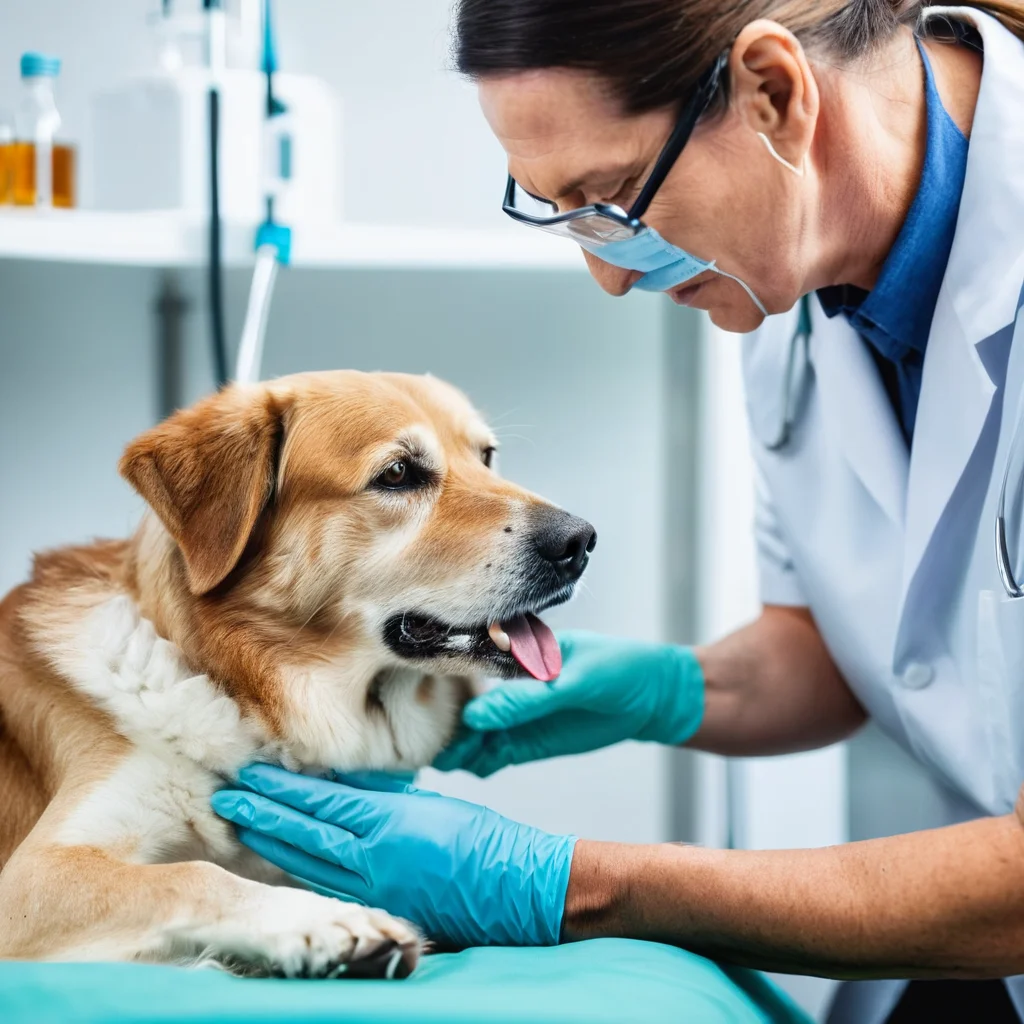

Veterinary regenerative medicine is one of the most exciting areas in senior pet care in recent years. PRP (Platelet-Rich Plasma), stem cell therapy and ozone therapy show promising results for joint degeneration + tendon damage + wounds that are hard to heal. Access is growing in Türkiye. It is costly, but in some cases life-changing. In this post we take a detailed look at modern regenerative treatments.
1. What Is Regenerative Medicine?
- Treatments that stimulate the body's own healing mechanisms.
- The goal is renewing damaged tissue.
- For chronic disease + advanced joint degeneration.
- An alternative to NSAIDs + surgery (in some cases).
- The science is still developing; some of the evidence is limited.
2. PRP (Platelet-Rich Plasma)
The most common regenerative treatment:
- Process:
- Taken from the pet's own blood (10-30 ml).
- Centrifuged to separate the platelet-rich plasma.
- Injected into the joint or the wound area.
- Platelets release growth factors.
- Stimulates tissue healing.
- Indications:
- Osteoarthritis.
- Tendon damage.
- Recovery after surgery.
- Chronic wounds.
- Cost
- Schedule: 1-3 sessions, 2-4 weeks apart.
The fee depends on the city, whether it is a clinic or a hospital, after-hours timing, imaging/hospitalization, and the animal's weight and age. The provincial Chamber of Veterinarians (Veteriner Hekimleri Odası) publishes an annual minimum fee schedule; the schedule is a floor, not the final bill. Ask the clinic for a written or verbal estimate.
3. Stem Cell Therapy
A more advanced regenerative treatment:
- Autologous (the pet's own stem cells):
- From the pet's fat tissue (adipose) or bone marrow.
- Mesenchymal stem cells (MSC) are separated.
- Injected into the joint or given IV.
- Allogeneic (donor stem cells):
- From a healthy donor pet.
- Ready to use + fast.
- Indications:
- Advanced osteoarthritis.
- Immune-mediated diseases.
- Kidney failure (experimental).
- Atopic dermatitis.
- Cost: Ask about the treatment fee.
- In Türkiye: A limited number of clinics.
4. Ozone Therapy
- Medical ozone (O3) stimulates blood circulation + healing.
- Methods:
- Major autohemotherapy (blood ozonated + given IV).
- Ozone injection into the joint.
- Rectal insufflation.
- Topical ozone oil.
- Indications: joints, wounds, chronic inflammation.
- Cost
- A course of 10-20 sessions.
The fee depends on the city, whether it is a clinic or a hospital, after-hours timing, imaging/hospitalization, and the animal's weight and age. The provincial Chamber of Veterinarians publishes an annual minimum fee schedule; the schedule is a floor, not the final bill. Ask the clinic for a written or verbal estimate.
5. State of the Scientific Evidence
- PRP: Moderate to good evidence, strongest for joints.
- Stem cells: Research is advancing; case reports + some RCTs are positive.
- Ozone: Weak to moderate evidence; owner-reported results are positive.
- Not a replacement for classic treatment (NSAIDs, glucosamine) but used in combination.
6. Which Pets Is It Recommended For?
- Advanced osteoarthritis + NSAIDs not enough.
- Pets that cannot tolerate NSAIDs (liver/kidney damage).
- Speeding up recovery after surgery.
- Tendon injury.
- Chronic wounds that are hard to heal.
- The owner is open to multimodal treatment.
7. Process + Hospitalization
- A vet exam + blood work before treatment.
- Light sedation (for joint injections).
- Some treatments require hospitalization (stem cell collection).
- 24-48 hours of rest afterward.
- Effects are seen after 2-6 weeks.
- Repeat sessions 3-6 months apart.
8. Side Effects
- Local swelling (1-2 days).
- Tenderness at the injection site.
- Risk of infection (sterile technique is a must).
- Side effects of light sedation.
- Generally safe.
9. Access in Türkiye
- Istanbul + Ankara + Izmir are the pioneers.
- Research units at Faculties of Veterinary Medicine.
- Private regenerative clinics are growing.
- Filter in the DoldurKabı vet directory.
- Consultation
The fee depends on the city, whether it is a clinic or a hospital, after-hours timing, imaging/hospitalization, and the animal's weight and age. The provincial Chamber of Veterinarians publishes an annual minimum fee schedule; the schedule is a floor, not the final bill. Ask the clinic for a written or verbal estimate.
10. Decision Factors for Owners
- The pet's age + overall health.
- Treatment cost: the long-term budget.
- Response to classic treatment (NSAIDs + supplements).
- The vet's recommendation.
- Managing expectations: not a "miracle" but a supportive treatment.
- A multimodal approach gives better results.
Veterinary regenerative medicine is modern + promising but not yet a "mainstream" treatment. PRP + stem cells + ozone are supportive in joint + tendon cases. The cost is high, the evidence moderate. NSAIDs + physiotherapy + supplements are the foundation; regenerative treatment is an add-on. In the DoldurKabı app, you can find vet clinics experienced in regenerative medicine on a map.









