


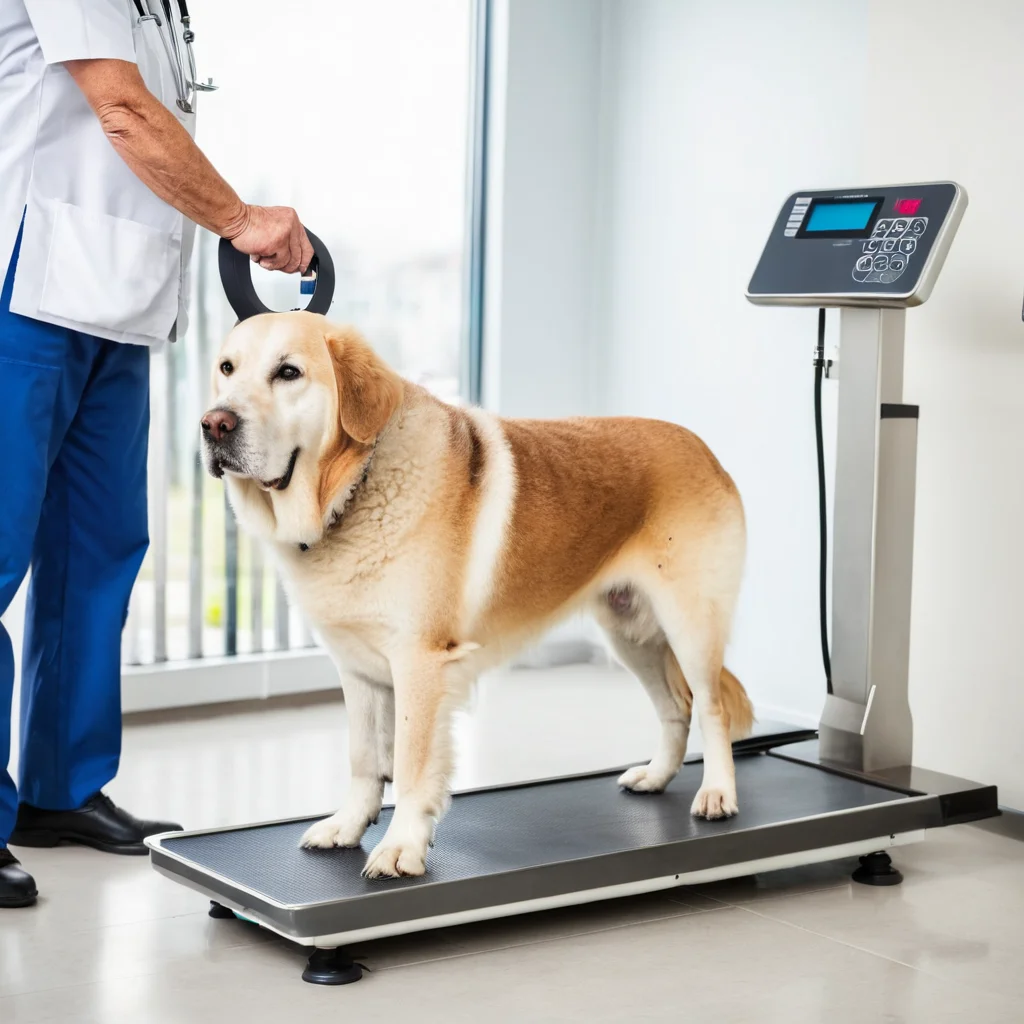

Weight + body condition score (BCS) tracking for senior pets is a core part of monitoring aging. Sudden weight loss can be an early sign of serious illness (cancer, kidney disease, hyperthyroidism). Weight gain can mean arthritis + diabetes getting worse. BCS scoring + MCS (muscle condition score) + monthly weigh-ins let you monitor a senior pet's health. In this article we look at the details of weight + BCS tracking for senior pets.
1. The BCS (Body Condition Score) Scale
Scored out of 9:
- 1-3: Too thin: bones prominent, muscle wasting.
- 4-5: Ideal: waistline visible, ribs can be felt.
- 6: Slightly overweight: waistline unclear.
- 7-9: Obese: ribs can't be felt, sagging belly.
- The target BCS for a senior pet is 4-5.
2. MCS (Muscle Condition Score)
Important separately from BCS, because aging brings muscle loss:
- Normal: Good muscle mass, back + thighs well filled.
- Mild loss: Shoulders slightly wasted.
- Moderate loss: Clear reduction in the back + thighs.
- Severe loss (sarcopenia): Bone right underneath, muscle reduced.
- Triggered by aging + cancer + chronic disease.
- MCS can be low even when BCS is normal.
3. How Often to Weigh
- Healthy senior pet: Monthly.
- If there is an illness: Weekly.
- Diet/new treatment: Weekly.
- Stable: Once every 2 months.
- Same scale + same time + similar stomach state (after vs. before a meal).
- Keep a chart; the trend is what matters.
4. Causes of Sudden Weight Loss
A sudden 5-10% loss in a senior pet is serious:
- Cancer: Lymphoma, hemangiosarcoma, mast cell tumors.
- Chronic kidney disease.
- Hyperthyroidism (cats): Weight loss despite increased appetite.
- Diabetes mellitus.
- IBD (Inflammatory Bowel Disease).
- EPI (Exocrine pancreatic insufficiency).
- Liver disease.
- Dental pain: Difficulty eating.
- Cognitive dysfunction: Forgetting to eat.
5. Causes of Weight Gain
- Too many calories: Metabolism slows with age.
- Inactivity: Joint pain + more sleep.
- Hypothyroidism (dogs): Metabolism drops.
- Cushing's syndrome: Excess cortisol.
- Spaying/neutering: Hormonal change (even if it was done long ago).
- The diet needs readjusting.
6. Measuring Body Weight
- Home scale + keep the animal under control.
- Small pets: a baby scale (accurate to the gram).
- Large dogs: pick the dog up and step on the home scale (your combined weight minus your own weight).
- The vet's scale is the most reliable.
- Loss/gain over 5% means a vet check.
7. Adjusting the Diet
Based on weight + BCS:
- BCS 4-5, stable: Continue the current diet.
- BCS 6+: Reduce portions by 10-15%, or use a "weight management" food.
- BCS 3 or below: High-calorie senior food, rule out the cause.
- Low MCS: High-quality protein (to protect muscle).
- RESTRICTING protein for senior pets is a myth; high-quality protein protects muscle.
8. Combining Diet + Activity
- Senior pets need daily activity too.
- Gentle walks (easy on the joints).
- Hydrotherapy (if possible).
- Short + frequent sessions (15 min × 3).
- Weight stabilizes, so the diet is right.
9. Comparing Annual Vet Weigh-Ins
- Weight trend from year to year:
- 5%+ loss: likely illness.
- 5%+ gain: a diet mistake or an endocrine issue.
- Stable: good.
- Vet records + the owner's tracking together.
10. Practical Weight Tracking for Owners
- Weigh monthly at the same time.
- Record it in Excel or a notebook.
- Monthly BCS assessment (once your vet has shown you how).
- Take a photo (at the start of the month) to see visual changes.
- Show the chart at vet visits.
- A change of 5%+ calls for urgent evaluation.
Weight + BCS tracking for senior pets is an early indicator of geriatric health. The formula of monthly weigh-ins + BCS/MCS scoring + chart tracking + vet assessment catches serious illness early. An owner's discipline can change a pet's life. In the DoldurKabı app, you can find vet clinics experienced with senior pets on a map.









