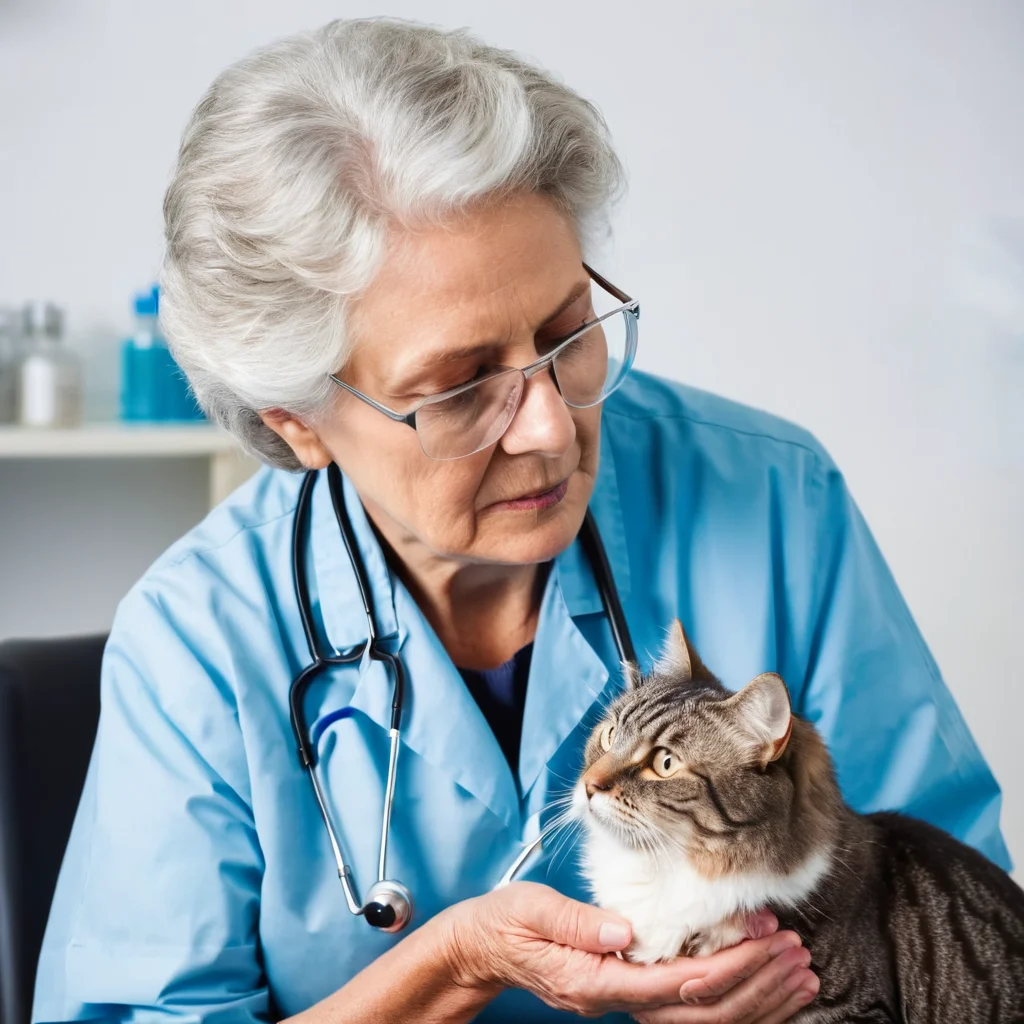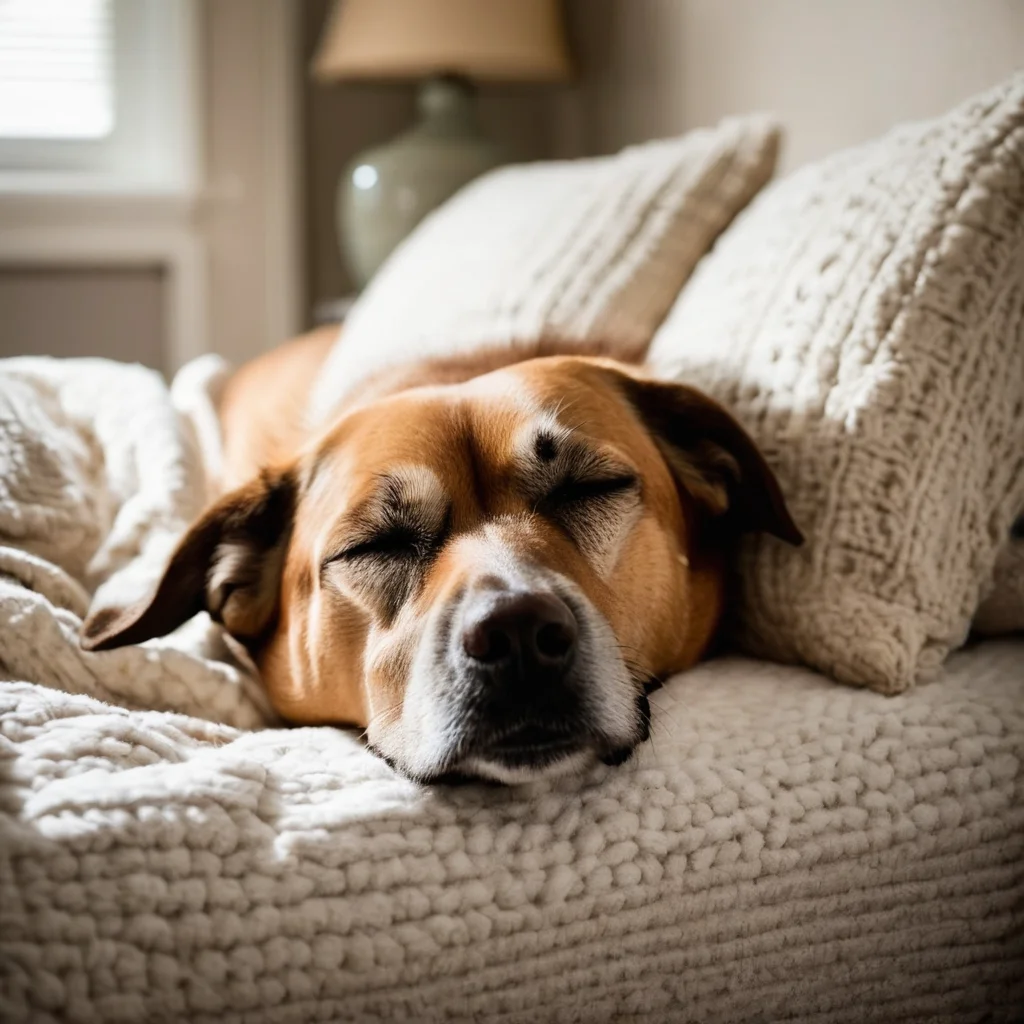

Sleep-wake disruption in senior pets means not sleeping at night, sleeping too much during the day and lower sleep quality. It is exhausting for the owner and stressful for the animal. Cognitive dysfunction, pain, endocrine problems and loss of sight or hearing can be the cause. It calls for a multi-pronged approach. In this article, we take a detailed look at managing sleep problems in senior pets.
1. Normal Sleep in Senior Pets
- Adult dog: 12-14 hours/day.
- Senior dog (7+): 14-18 hours.
- Adult cat: 14-16 hours.
- Senior cat (10+): 16-20 hours.
- Sleeping more with age is normal.
- The "problem" = a disrupted sleep pattern, poor sleep quality, not sleeping at night.
2. Signs of Disruption
- Waking up and wandering at 3-4 a.m.
- Meowing/barking at night.
- Sleeping too much and staying inactive during the day.
- Not getting comfortable in bed, constantly changing spots.
- Constant fidgeting during sleep.
- Needing to potty toward morning and accidents in the house.
3. Causes
- Cognitive dysfunction (CDS/FCDS): The most common cause of sleep problems in senior pets.
- Pain: Joint, dental, abdominal; restlessness at night.
- Hyperthyroidism (cats): Fast metabolism, poor sleep quality.
- Diabetes: Frequent urination and thirst wake them at night.
- Kidney disease: Excessive drinking and urination.
- Heart disease: Breathing is hard when lying down → sitting up and wandering.
- Loss of sight/hearing: Disorientation, anxiety.
- Sundowning: Restlessness in the evening hours.
- Anxiety: General anxiety.
4. Ruling Things Out at the Vet
- A detailed exam and pain screening.
- Complete blood count and biochemistry (kidney, liver, thyroid, glucose).
- Urinalysis.
- Blood pressure.
- Echocardiography (senior cats and dogs).
- Radiography (joints and lungs).
- Behavior scales (CADES, FCDS).
5. Treatment: Medical
- Pain management:
- NSAIDs (carprofen, meloxicam).
- Librela/Solensia (anti-NGF).
- Gabapentin (neuropathic pain).
- Cognitive dysfunction: Selegiline.
- Anxiety: Trazodone (at night), gabapentin.
- Treating the specific disease: Thyroid, kidney, heart.
6. Melatonin
- A natural sleep hormone.
- Dogs: 3-9 mg, 30 minutes before bedtime.
- Cats: 1.5-3 mg.
- Minimal side effects.
- The effect becomes clear within the first week.
- Ask your vet, because of interactions with other medications.
7. Adapting the Environment
- A comfortable bed: Orthopedic, heated.
- A calm sleeping area: Quiet at night.
- A night light: Helps with finding their way.
- Water next to the bed.
- A litter box nearby (cats).
- Pee pads for dogs (for nighttime potty needs).
8. Daytime Activity and Stimulation
- Awake and active during the day = better sleep at night.
- Gentle walks (senior dogs).
- Short play sessions.
- Mental exercise (puzzle feeders).
- Social interaction.
- Exposure to daylight (circadian rhythm).
9. A Bedtime Routine
- Dinner 2-3 hours before bedtime.
- A last potty break (a walk for dogs).
- Calm interaction.
- Bed ready.
- Water within reach.
- Melatonin (if your vet recommends it).
10. Protecting the Owner's Sleep
- Pet bed in a separate room (less disruption at night).
- White noise (masks pet sounds).
- Closing the door (a closed room).
- A patient approach during treatment.
- Family members taking care in shifts.
- Hiring a pet sitter can be considered (in advanced cases).
Sleep-wake disruption in senior pets: the formula of ruling out causes at the vet + treating pain and cognitive dysfunction + melatonin + adapting the environment brings improvement in most cases. Without finding the cause, treatment doesn't work. Protecting the owner's sleep is also critical, because long-term care has to be sustainable. In the DoldurKabı app, you can find vet clinics experienced with senior pets on the map.