


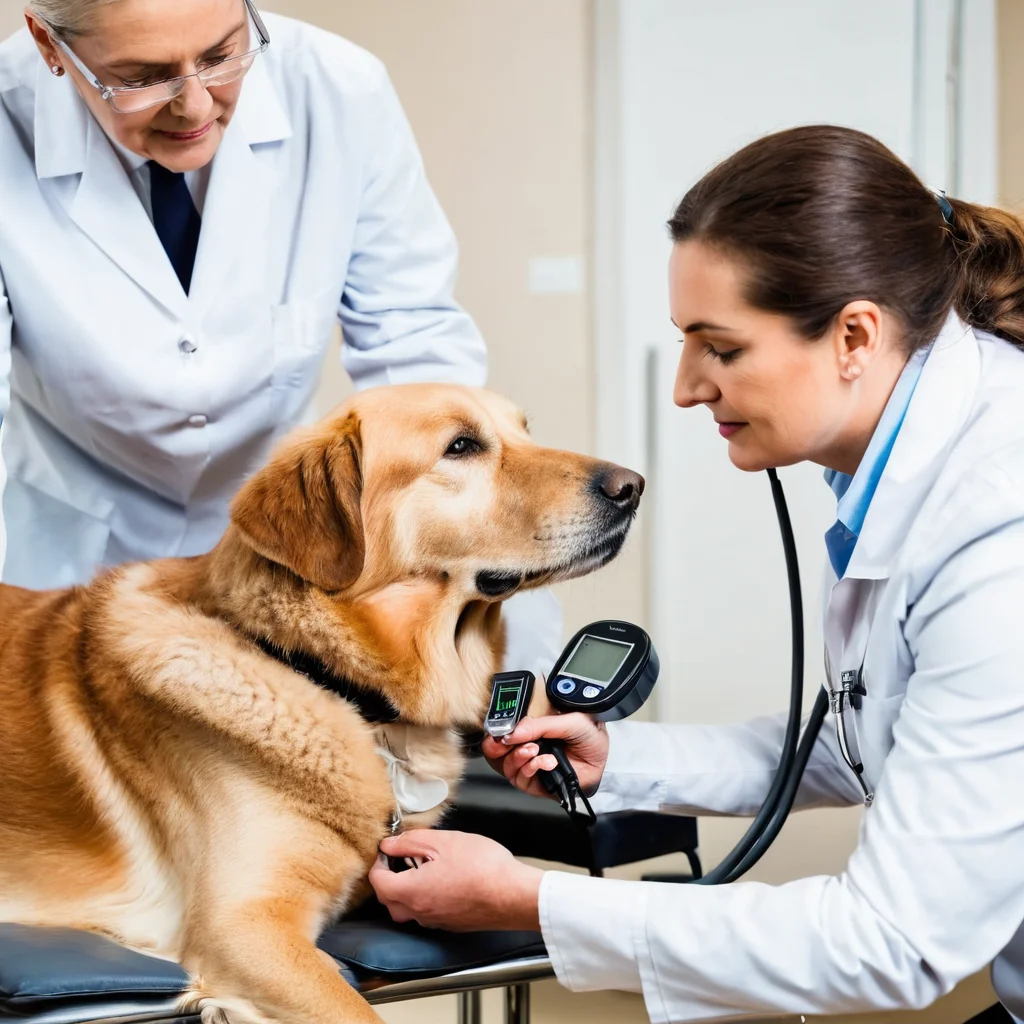

A yearly vet screening for senior pets is the foundation of geriatric care. Dogs aged 7+ and cats aged 10+ need 2 thorough vet checkups a year. Catching symptom-free diseases early extends life expectancy by 1-3 years. A complete blood count, biochemistry, thyroid, urine, blood pressure and echocardiography make up the standard package. In this post we go through the yearly screening protocol in detail.
1. When Is a Pet a Senior?
- Dogs (by size):
- Small (under 10 kg): senior at 9-10 years.
- Medium (10-25 kg): 8-9 years.
- Large (25-45 kg): 7-8 years.
- Giant (45+ kg): 6-7 years.
- Cats: senior at 10-11 years, geriatric at 14+.
2. How Often to Screen
- Healthy adult: 1 checkup a year.
- Senior (7+/10+): 2 checkups a year (every 6 months).
- Geriatric (cats 14+, large dogs 12+): every 3-4 months.
- Diagnosed disease: a custom schedule.
3. The Standard Screening Package
At every yearly senior visit:
- Complete blood count (CBC): Anemia, infection, leukemia.
- Biochemistry panel: Liver (ALT, ALP), kidneys (BUN, creatinine), glucose, protein.
- Urinalysis and UPC ratio: Kidneys, diabetes and the urinary tract.
- Thyroid (T4): Hyperthyroidism is common in cats, hypothyroidism in dogs.
- Blood pressure: Doppler/oscillometric. Critical in cats.
- SDMA (dogs/cats): An early kidney marker.
4. The Detailed Extended Package
Extra tests based on age and risk factors:
- Thyroid panel (T4, fT4, TSH): For complex thyroid problems.
- Fecal analysis: Parasites and hidden blood.
- Eye exam: Cataracts, PRA, retinal damage from hypertension.
- Dental exam: Tartar and gum disease.
- Orthopedic exam: Joints and spine.
- Neurological exam.
5. Advanced Imaging
- Abdominal ultrasound:
- Liver, spleen, kidneys and bladder.
- Cancer screening in senior pets.
- Especially for Goldens, Labs and Boxers.
- Chest X-ray: Lung cancer metastasis, heart size.
- Echocardiography:
- Senior cats: HCM screening.
- Dogs: Mitral valve heart disease.
- Recommended yearly from age 8+.
6. Behavioral and Cognitive Assessment
- CADES questionnaire (canine dementia).
- FCDS assessment (cats).
- The owner's notes on behavior changes.
- DISHA / VISHDAAL signs.
- Start early cognitive support.
7. Body Score and Muscle Score
- BCS (Body Condition Score): Out of 9, 4-5 is ideal.
- MCS (Muscle Condition Score): Tracks muscle loss in senior pets.
- Weight and size (breed standard).
- Diet adjustment.
8. Vaccines and Parasite Control Up to Date
- Yearly booster vaccines.
- Titer testing at some vets (vaccinate if needed).
- A yearly parasite protection plan.
- Microchip and DoldurKabı registration up to date.
9. Cost
- General exam
- CBC and biochemistry
- Thyroid (T4)
- Urinalysis and UPC
- Blood pressure
- Ultrasound
- Echocardiography
- Yearly total
- Pet insurance covers some tests.
The fee depends on the city, whether it is a clinic or a hospital, after-hours visits, imaging/hospitalization and the animal's weight and age. The provincial Chamber of Veterinarians (Veteriner Hekimleri Odası) publishes a yearly minimum fee schedule; the schedule is a floor, not the final bill. Ask the clinic for a written or verbal estimate.
10. The Benefits of Early Diagnosis
- Catching kidney disease at IRIS Stage 1-2 → adds years of life.
- Hyperthyroidism caught early: responds very well to medication.
- Diabetes caught early: insulin can be started and remission is possible (cats).
- Hypertension: prevents damage to the eyes, brain and heart.
- Cancer caught early: a higher chance with surgery and chemotherapy.
- Overall life expectancy increases by 1-3 years.
A yearly vet screening for senior pets is the cornerstone of geriatric care. Early diagnosis greatly extends both life expectancy and quality of life. A checkup every 6 months with a full panel, advanced imaging and cognitive assessment is an investment that pays off in the long run. In the DoldurKabı app you can find vet clinics experienced with senior pets on a map.









