


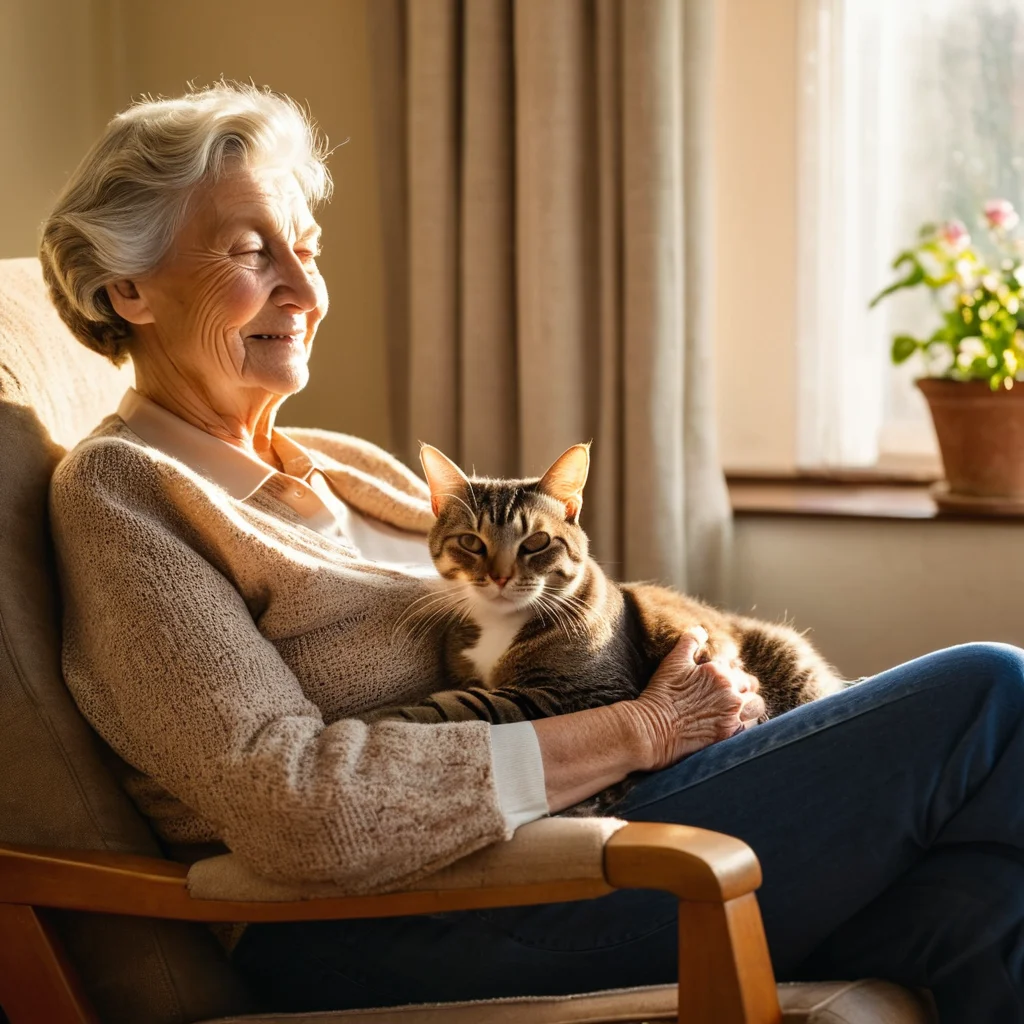

A senior plus a cat or dog is one of the strongest remedies for loneliness. The research is clear: pets living with older people reduce depression, lower blood pressure, increase social contact and even lower mortality. But "any pet for any senior" is a mistake. It takes the right choice, shared responsibility and a care plan. This article covers the benefits of pets for seniors, choosing the right species and practical tips.
1. Seniors + Pets = Science
- Less loneliness and depression: A daily presence and daily rituals.
- More physical activity: Dog walks mean regular cardiovascular exercise.
- Lower blood pressure.
- Slower progression of dementia and Alzheimer's (in some studies).
- More social contact: neighbors, the vet, other owners at the park.
- A sense of routine and responsibility: a care routine is good for mental health.
- Love and attachment: especially for seniors who live alone.
2. Choosing the Right Species
Cats: The Most Common Choice
- Independent and low maintenance.
- No walks needed.
- Calm company on your lap or in bed.
- An adult cat (not a kitten) suits a senior better, since it's socialized and calm.
Small Dogs
- Cavalier King Charles Spaniel, Bichon Frise, Pug, Shih Tzu, Maltese.
- Walks: 2 walks a day of 15-20 minutes are good for a senior.
- They need socialization.
- Care needs: more than a cat.
Birds (Budgies / Lovebirds)
- Singing and chirping help with loneliness.
- Little physical care, lots of mental stimulation.
- Cleaning a cage is easy for a senior.
Fish (Aquarium)
- Visual calm, shown to lower blood pressure.
- No physical contact.
- Moderate care (filter and water).
Not Recommended
- Puppies (very active, training is tiring).
- Large, athletic breeds (Husky, Belgian Malinois).
- Exotic pets with advanced care needs (reptiles, giant rabbits).
- Banned breeds.
3. The Adoption Decision: Talking with the Senior
If adult children are thinking of getting a pet for an aging parent:
- Don't give a pet as a SURPRISE gift. Let the senior decide. An animal they didn't want won't be welcome.
- Visit together: A shelter or adoption event, where the senior chooses for themselves.
- Temperament match: A calm senior with a calm cat or dog.
- Lifestyle match: Not an energetic dog for a senior who moves little.
- Plan for the future: What happens to the pet if the senior falls ill or passes away? The family should talk about this in advance.
4. Help with Care
If the senior struggles with care alone:
- Regular family visits and support.
- Vet visits: the family drives (if the senior can't go alone by car).
- Pet food and medication delivery services.
- Help from a neighbor or volunteer with walks (for dogs).
- A pet sitter or day care (if needed).
- A pet sitter plan for short hospital stays or trips.
5. Physical Safety and Daily Setup
- Preventing falls: Keep the dog's leash short; a sudden pull can knock a senior over. Rugs and non-slip mats.
- Trouble bending: Raised food and water bowls, easier on the senior's back and knees.
- Nail trimming and dental care: A pet groomer or vet.
- Emergency calls and numbers: Vet, family and neighbor phone numbers written large and easy to reach.
6. Animal-Assisted Therapy (AAT)
Official therapy dogs are active in nursing homes, hospitals and Alzheimer's clinics:
- Interaction between older patients and therapy dogs clearly reduces anxiety and depression.
- In Türkiye, some associations (such as Therapy Dogs of Turkey) run volunteer therapy dog programs.
- For seniors who don't have their own pet, these programs offer accessible joy.
7. Growing Old Together
The pets living with many seniors are often seniors themselves, growing old together. The senior pet guide is worth reading. Sharing resources across the pair: regular checkups and care for both.
8. Frequently Asked Questions
My elderly mother lives alone. Should she get a cat?
First find out what she decides and wants. If she wants one: a calm adult cat from a shelter plus regular family support is a great combination.
Which pet needs the least care for a senior?
A calm adult cat needs the least physical and mental care. An aquarium needs even less, but there's no contact.
What happens to the pet after the senior passes away?
The family should plan ahead: a close family member takes over as owner, or (if that's not possible) a trusted family, person or adoption. A will and a plan are valuable.
Is a senior's fall risk incompatible with a dog?
It's risky: a large, excitable dog can pull a senior and knock them down. Choose a small, calm dog and a short leash. A "hands-free" waist-belt leash is safer.
Pets in nursing homes?
In Türkiye, nursing home pet policies vary by institution. Some modern private nursing homes accept pets on a limited basis. State institutions mostly ban pets. Animal therapy programs are growing.
Is a pet good for a senior with dementia?
In the early to middle stages, it can be very good, as part of memories, love and routine. In later stages, family and caregivers supervise. Plan for the animal's safety, too.
Caring for a pet on a low senior income?
Unexpected vet costs can be hard. Pet insurance, family support and municipal assistance programs (in some districts) can help. Assess the costs realistically before adopting.
Final Word
Seniors and pets heal each other. The right choice, family support and a plan make for a relationship that enriches both sides: a remedy for loneliness, a source of love and a sense of daily purpose.
To adopt, see DoldurKabı Adoption Listings. For tracking the health of seniors' pets, try DoldurKabı Pet Health Tracking.
This guide is for information only; for individual situations, seek advice from family, a vet and a doctor.









