


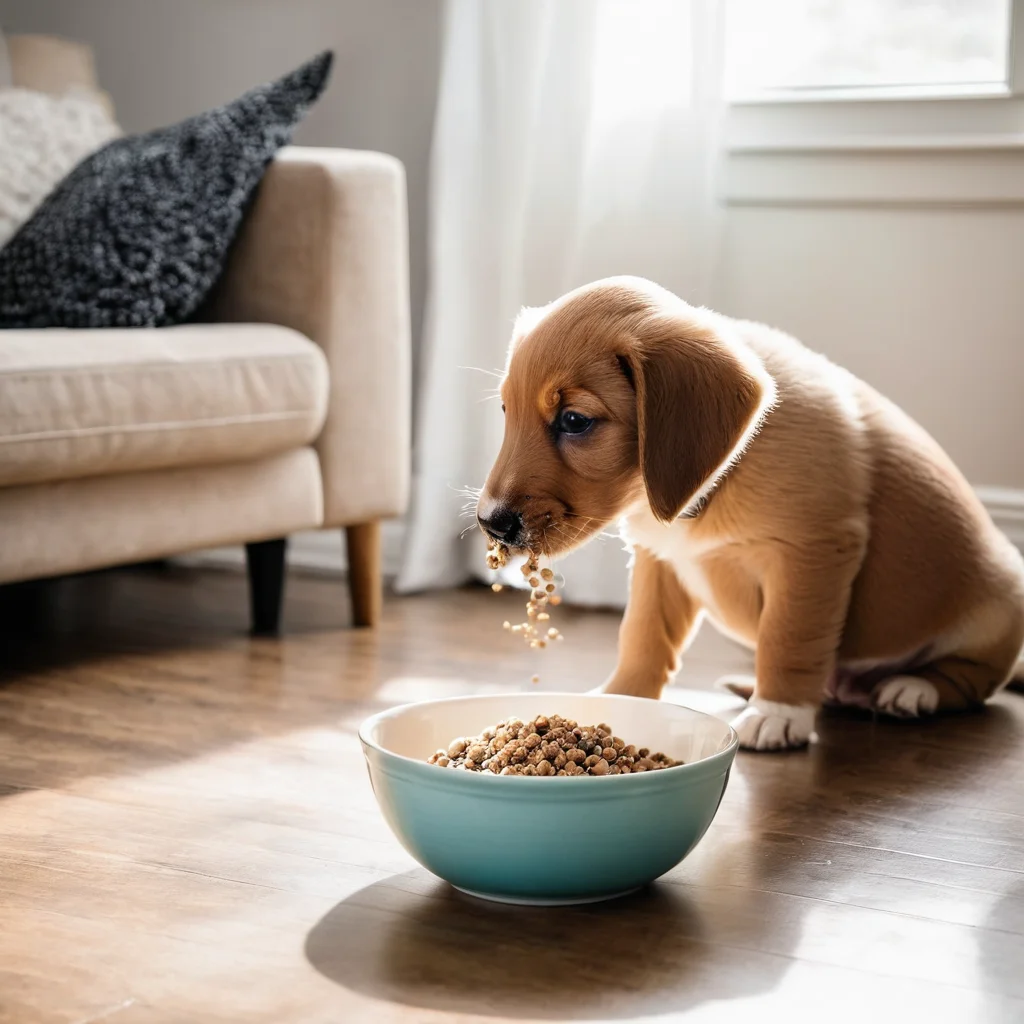

Puppy nutrition from 3 to 12 months is a critical period after weaning, when the foundations of growth, immunity and skeletal development are laid. A feeding mistake at this age can have lifelong consequences: hip dysplasia, obesity, allergies and a weak immune system. Large-breed puppies need the right calcium-to-phosphorus ratio, small-breed puppies need hypoglycemia management, and rapid growth carries its own dangers. In this article, we go through a detailed puppy feeding guide.
1. Puppy Nutrition Basics
- 2-3x the calorie needs of an adult dog.
- High-quality protein (22-32%).
- Essential fatty acids (DHA for brain development).
- Vitamin and mineral balance (especially Ca:P at 1.1-1.5:1).
- Carbohydrates (energy).
- Probiotics (gut flora).
2. Choosing Puppy Food by Size
Puppy food formulas differ by size:
- Small-breed puppies:
- Toy and miniature breeds (Chihuahua, Yorkie, Maltese).
- High calorie density (small stomach).
- Small kibble size.
- Royal Canin Mini Puppy, Hill's Puppy Small Bites.
- Medium-breed puppies:
- Beagle, Cocker Spaniel, Border Collie.
- Standard puppy food.
- Large and giant-breed puppies:
- Golden, Labrador, German Shepherd, Saint Bernard.
- Lower calcium and controlled protein (to prevent rapid growth).
- Royal Canin Maxi Puppy, Hill's Large Breed Puppy.
- SLOW growth = healthy hips and joints.
3. Meal Frequency (by Age)
- 2-4 months: 4 meals a day.
- 4-6 months: 3 meals a day.
- 6-12 months: 2-3 meals a day.
- 12 months+: Adult, 2 meals a day.
4. Calculating Portions
General formula (healthy puppy, premium food):
- Calculate based on expected adult weight.
- The food bag has an age and weight chart.
- Aim for a body condition score (BCS) of 4-5/9.
- You should be able to feel the ribs lightly, but not see them.
- Weigh monthly and adjust portions.
5. Dangers of Rapid Growth (Large Breeds)
- Excess calories plus excess calcium = hip/elbow dysplasia.
- Osteochondrosis.
- Hypertrophic osteodystrophy (inflammation of growing bone).
- Panosteitis (long bone pain).
- Prevention: large-breed puppy food, portion control and NO excessive supplements.
6. Hypoglycemia (Small-Breed Puppies)
Toy breeds are at risk of low blood sugar:
- Trembling, lethargy and a risk of coma in puppies.
- 4-6 small meals a day prevent hypoglycemia.
- First aid: honey or sugar on the gums, then straight to the vet.
- Stress, cold and dehydration are triggers.
7. Switching Food (Puppy → Adult)
- Small breed: 9-12 months.
- Medium breed: 12-15 months.
- Large breed: 15-18 months.
- Giant breed: 18-24 months.
- A gradual 7-10 day transition.
8. Forbidden Foods (A Reminder)
- Chocolate, caffeine.
- Grapes, raisins.
- Onions, garlic.
- Xylitol.
- Raw dough.
- Fatty and spicy human food.
- Cooked bones (splintering risk).
- Milk (most puppies are lactose intolerant).
9. Treats (Puppy Training)
- Less than 10% of daily calories.
- Small pieces (fingernail size).
- Puppy-specific treats or their regular food.
- High-value treats for training sessions.
- Water always available.
10. Vet Checkups
- Under 4 months: monthly vet checkups and vaccines.
- 4-12 months: a checkup every 2-3 months.
- Weight and growth chart.
- Talk to your vet about any feeding concerns.
- Routine vaccines and parasite prevention.
Puppy nutrition from 3 to 12 months is the period when the foundation for life is laid. The formula of the right breed-size food, meal discipline, controlled growth and portion adjustment builds a healthy adult. For large-breed puppies, "slow growth = long life." Investing in premium puppy food and vet follow-up pays off in the long run. In the DoldurKabı app, you can find vet clinics experienced with puppies on the map.









