



In the first days after you bring your puppy home, one of the first questions on your mind is probably this: Can I take them outside before their vaccines are done? Veterinarians rightly say, "Don't let them walk on street surfaces until they're fully protected." Dog trainers, on the other hand, stress that socialization takes shape in the first weeks and that this period shouldn't be missed. Both sides are right, and that's exactly why it gets confusing.
Here's the good news: This isn't an all-or-nothing issue. You don't have to lock your puppy inside for four months, and you don't have to ignore the risks and let them roam the street freely either. When you strike the right balance, you protect them from contagious diseases and raise a well-adjusted dog who looks at the world with confidence.
In this post we explain step by step why the socialization window matters so much, how serious the parvovirus risk is, and which socialization methods you can safely use before full protection kicks in.
The Socialization Window: Why Are Weeks 3 to 14 So Valuable?
Between roughly 3 and 14 weeks of age, a puppy's brain records its answer to the question "what is normal?" about the world. This period is called the socialization window. The sounds, people, surfaces, vehicles and other animals a puppy meets through positive experiences during these weeks become ordinary, safe things for them in adult life.
Stimuli they don't meet before the window closes can turn into a source of fear, anxiety and sometimes aggression. The stories of adult dogs who are terrified of the vacuum cleaner, bark nonstop when guests arrive or panic at traffic noise often trace back to experiences missing from these weeks. Making up for the missed period is possible, but it's much slower and harder.
The problem is that this window falls right in the middle of the vaccine schedule. Combination vaccines usually aren't finished before the window closes. So the "don't let them out of the house at all until the vaccines are done" approach means that weeks that are extremely valuable for socialization are spent between four walls. The goal isn't to pit these two facts against each other but to protect both with a thoughtful balance.
Why Is Parvovirus Taken So Seriously?
The main reason behind the "no walking on the ground" rule is parvovirus. Parvo is a virus that is remarkably resistant to environmental conditions; it can stay infectious for months on ground contaminated with an infected dog's feces. Your puppy doesn't need to come nose to nose with a sick dog: sniffing an invisible trace on the sidewalk, or even contact with virus carried home on the soles of your shoes, can be enough for infection.
In puppies, the disease brings severe vomiting, bloody diarrhea and rapid fluid loss; if treatment is delayed, it quickly becomes life-threatening. Treatment requires intensive supportive care and doesn't always succeed. In the same way, distemper is also a threat that can be severe for unvaccinated puppies.
We're telling you this not to scare you but to show the logic behind the rule. If your puppy has vomiting, bloody diarrhea and obvious lethargy together, get to a clinic without losing time; if it's after hours, look at emergency vet options. With parvo, hours really do matter.
Roughly How Does the Vaccine Schedule Work?
Combination vaccines usually start at 6 to 8 weeks of age, are repeated every 3 to 4 weeks and are finished around week 16 for most puppies. The rabies vaccine is also added to the program. So why isn't a single dose enough?
The answer lies in mother's milk: Puppies start life with antibodies they get from their mother. These antibodies protect the puppy, but they can also suppress the effect of the vaccine. Because the protection from the mother fades at a different time in each puppy, vaccines are repeated at set intervals so that no unprotected gap is left in between.
The week figures here are only a general framework. Your puppy's age, the mother's vaccine history and how common diseases are where you live can change the schedule. Your vet should always set the exact program; if you don't have a vet you see regularly yet, you can plan the first checkup by looking at vet clinics near you.
Safe Socialization Methods Before Full Protection
Here's the part that strikes the balance. What the methods below have in common is this: Your puppy experiences plenty of the world but doesn't touch risky surfaces or dogs whose health status is unknown.
Go Out in Your Arms or in a Bag
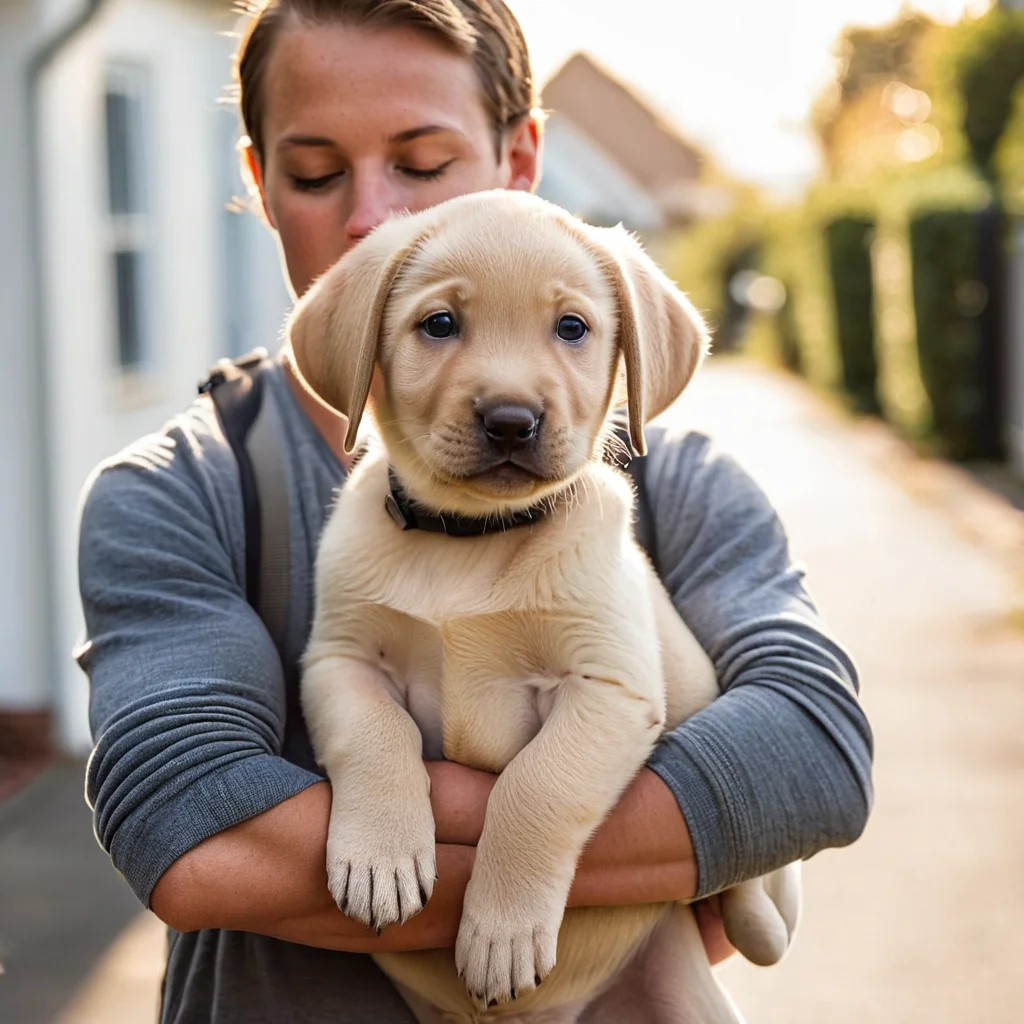
Take your puppy on short neighborhood rounds in your arms or in a carrier. Traffic noise, car horns, groups of kids, the bustle outside the grocery store, the smell of rain... All of these can be experienced from above the ground, at a safe distance. Even 10-15 minute rounds a few times a day make a big difference during the window. If you stay calm when they meet a new sound or sight and pair it with a small treat, the experience is recorded as positive.
Safe Yards and Controlled Areas
Your own yard where unfamiliar dogs don't go, a relative's enclosed yard, or your balcony are safe options for your puppy's paws to meet soil, grass and different surfaces. Shared yards and apartment complex grounds where street dogs or dogs of unknown vaccine status wander don't offer the same safety; put those off for now.
Controlled Meetings With Vaccinated Dogs
Meeting the dogs of friends or family that you know are fully vaccinated and healthy, in a home setting, is very valuable for your puppy to learn dog language. A calm adult dog that is tolerant of puppies acts almost like a teacher. On the other hand, dog parks and street encounters with dogs you don't know are off the list until the vaccines are finished.
Turn Your Home Into an Experience Course
Different surfaces (carpet, tile, cardboard, foil), doorbell and vacuum cleaner sounds, people in hats, glasses or with umbrellas, short car rides... The variety you create at home and in the car covers a large part of the need for socialization. Remember to pair each new experience with a treat and to respect your puppy's pace; the point is getting them used to things, not forcing them.
So When Is the Street Completely Safe?
The general rule is this: About 1 to 2 weeks after the last combination vaccine dose, immunity settles in and your puppy can safely walk on street surfaces. For most puppies, this is around 16 to 18 weeks of age. It's also important that the rabies vaccine has been given.
Still, you should get the green light not from the internet but from the vet who examines your puppy in person, because the decision depends on how the vaccine schedule is going and on the puppy's overall health. To keep up with checkups, it helps to pick your clinic from the vets list and plan your appointments in advance.
A few small precautions also help in the first days on the street: Choose relatively clean routes with little dog traffic, don't let them sniff feces and trash, and stay away from puddles. If you start getting them used to the collar and harness at home, the first walks will be much more enjoyable for everyone.
Frequently Asked Questions
Can a puppy whose vaccines aren't finished go out on the balcony?
Yes. Your own balcony carries far lower risk than street surfaces. Still, avoid walking on the balcony in your street shoes and pay attention to shoe hygiene when coming inside; viruses can be carried on the soles of shoes.
Is carrying them outside in my arms really safe?
As long as your puppy doesn't touch the ground and has no contact with dogs you don't know, the risk is quite low, and the socialization experience they gain is very valuable. Everyone wants to pet a cute puppy; you only need to politely set limits with unfamiliar dogs and people who have a lot of contact with animals.
Can guests play with my puppy?
They should. Positive experiences with people of different ages and looks are an important part of the socialization window. It's enough that your guests wash their hands and haven't been in contact with a sick dog that day.
I suspect parvo. What should I do?
If vomiting, bloody or very foul-smelling diarrhea, loss of appetite and sudden lethargy appear together, don't wait. Call your vet right away; if you can't reach them, go to a clinic near you from the on-duty and emergency vet list. With parvo, early treatment saves lives.









