


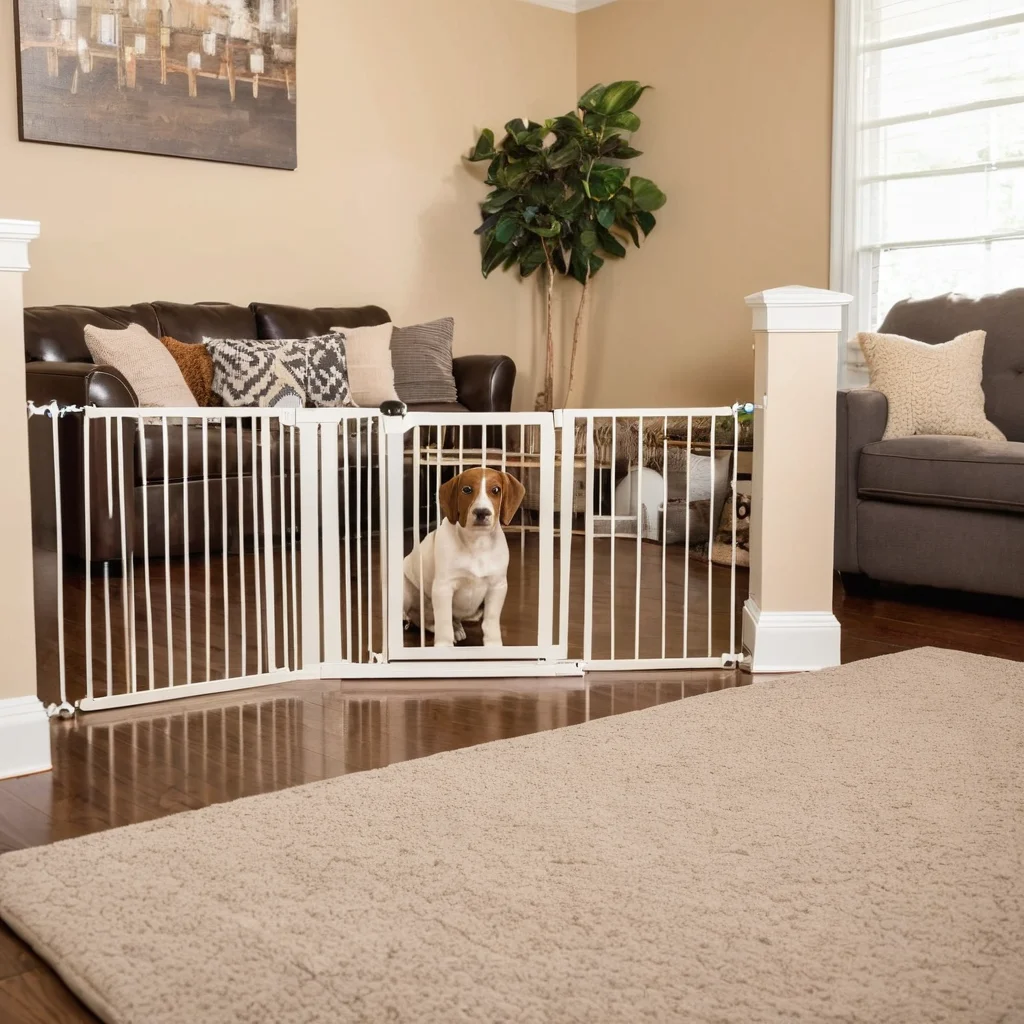

Pet-proofing your home before a puppy or kitten arrives is critical. A puppy or kitten is a baby + curious + teething. Every corner + every object is something to explore. Hide cables, lock cabinets, cover the trash, get small items off the floor, secure the balcony, keep toxic substances away. 30+ checkpoints for a home that's safe for a young pet. In this article we look at pet-proofing in detail.
1. Living Room + Lounge
- Hide electrical cables (cable channels, protectors).
- Rug edges and fringes (puppies and kittens chew them).
- TV cables behind the wall unit.
- Gather up charging cables.
- Get small items off the floor (figurines, frames).
- Keep candles + diffusers away.
- Essential oils are TOXIC TO CATS.
- Safe plant list (no toxic plants).
2. Kitchen
- Trash in a covered container (young pets stick their heads in).
- Food waste is tempting (food smells).
- Childproof locks on cabinet doors.
- Don't leave food on the counter.
- Oven + stove safety (hot surfaces).
- Dish soap + cleaning products under the sink, locked away.
- Chocolate, grapes, onions are toxic to pets.
- If your pet learns to open the trash can, block it.
3. Bathroom
- Keep the toilet lid down (drowning + toxic water).
- Medicine cabinet locked.
- Floss, tampons, razors off the floor.
- Shampoo + soap locked away.
- Covered trash.
- Non-slip bathroom floor (little paws slip).
- Don't leave water standing in the sink.
4. Bedroom
- Block access under the bed (young pets get stuck).
- Hide shoes + underwear (a dog favorite).
- Jewelry + watches off the floor.
- Medicine cabinet (human medication can be deadly for pets).
- Keep cigarette butts + tobacco products away.
- Window/balcony safety (young pets climb).
- Pet bed not out of sight (within view).
5. Balcony + Windows
- Balcony netting (prevents cats from falling).
- Window guards or grilles.
- High windows: a cat catio (pet balcony).
- Safe plant list for the balcony.
- Pet-safe pesticides.
- Balcony railings are not enough (cats jump).
- Steel wire/netting as an alternative.
6. Laundry Room
- Keep the washing machine door closed (cats get trapped).
- Detergent + fabric softener in a locked cabinet.
- Check inside the washing machine every time before running it.
- The dryer is a warm spot for pets (getting trapped).
- Keep irons away.
- The ironing board can tip over.
7. Garage + Yard
- Antifreeze CLOSED AND LOCKED AWAY (deadly).
- Pesticides + weed killers.
- Fertilizer.
- Garden tools (sharp).
- Secure yard fence + gate (prevents escapes).
- Block pool access (young pets can drown).
- Check the garage floor for leaks weekly.
8. Toxic Plant List (Emergency)
- Deadly for cats: Lily (every type), tulip, daffodil.
- Dogs + cats: Sago palm, oleander, azalea, rhododendron.
- Common dangerous houseplants: Philodendron, monstera, peace lily, pothos, dieffenbachia.
- Garden: Foxglove, lily of the valley, yew.
- If swallowed: vet EMERGENCY.
- For the full list, see the ASPCA list.
9. The Danger of Small Objects
- Coins, jewelry, sewing needles.
- Lego, small toy parts.
- Batteries (cause burns if swallowed).
- Ends of charging cables.
- Floss, ribbon (choking + intestinal blockage).
- Plastic bags (suffocation).
- If a puppy or kitten puts something in its mouth: vet emergency.
- Ask yourself, "Could this fit in a pet's mouth?" and put it away.
10. Setting Up a Safe Room for a Young Pet
- A small safe room for the first week.
- Bed + water + food + toilet.
- A variety of toys.
- A familiar scent (a blanket from the mother).
- Open up the rest of the home after 1-2 weeks.
- Constant supervision.
- At bedtime, a crate or a gated area.
- A curious pet in the home means constant checking.
Pet-proofing for a puppy or kitten follows the formula of checking every room + keeping hazardous substances away + balcony safety + constant supervision. A puppy or kitten is a baby + curious + teething. Have your home safe before the young pet arrives. As an owner, ask "Could this get hurt?" and put things away. Keep the emergency vet's number saved. In the DoldurKabı app, pet care + puppy and kitten care guides are shared.









