


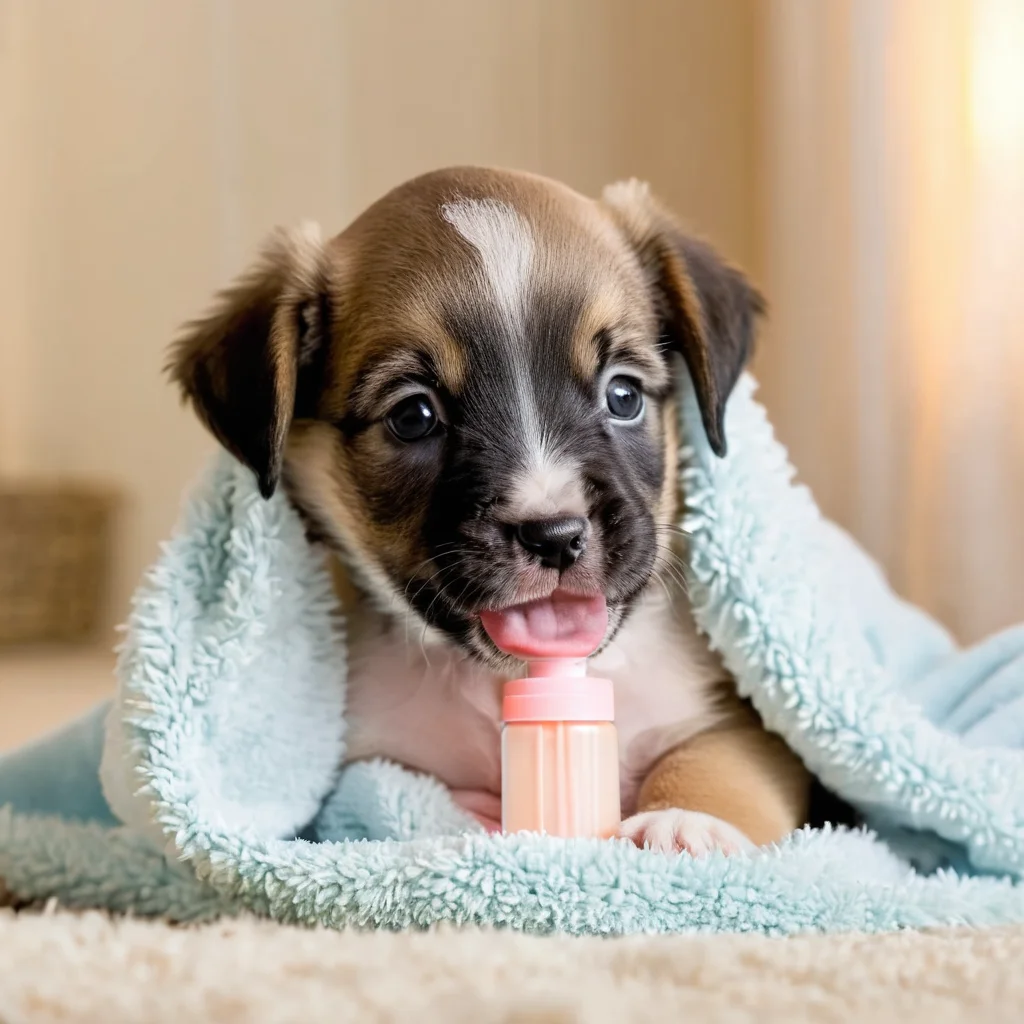

A runt is the smallest and weakest puppy or kitten in a litter. It's the one that loses the race for milk among its littermates, gets too little nourishment and develops a weaker immune system. With the right extra care, supplemental feeding and protection from the cold, most runts grow into healthy adults. An owner's awareness and action are vital. In this article, we go through the details of caring for a weak newborn.
1. Identifying a Runt
- 20-40% smaller than the average baby in the litter.
- Trouble getting milk (loses out to the competition).
- Pushed to the edge by its littermates.
- Sometimes neglected by the mother.
- Slow weight gain.
- The immune system develops weakly.
2. Why a Baby Becomes a Runt
- Placenta position: A baby positioned in a corner of the uterus gets too little blood and nourishment.
- Poor maternal nutrition: The whole litter is affected.
- Birth order: The last one born is sometimes small.
- Genetics: Some babies are genetically small.
- Congenital anomalies: Heart, liver or kidney defects (in severe cases, the baby doesn't survive).
3. The First 48 Hours (Vital)
- Access to colostrum: The mother's first milk means immunity. Place the runt on the mother's nipple by hand.
- Warmth: A runt has a small body and little fat, so it gets cold fast. A warm environment (30-32°C) is essential.
- Weight: Record the birth weight.
- Bond with the mother: Keep the runt together with the other babies.
- Vet check: Within 24 hours, to rule out anomalies.
4. Managing the Race for Milk
- While the mother is nursing, place the runt on a good nipple (the rear nipples have more milk).
- When the other babies nurse strongly, the runt falls behind, so keep repositioning it by hand.
- If the mother's milk isn't enough or the baby really can't get any, supplement with a bottle (KMR formula).
- Weigh every 2 hours (on a gram scale).
5. Weight Goals (A Health Marker)
- Puppies: Birth weight × 2 = weight at 1 week.
- Kittens: 70-100 g gain per week.
- If the runt gains weight slowly, it needs supplementing.
- If weight stalls or drops, urgent action is needed (vet).
- Weigh daily and track it on a chart.
6. Bottle Supplementing
- If the mother's milk isn't enough or the runt can't get any, use KMR formula.
- A baby bottle for puppies or kittens with a soft nipple.
- Position: belly down (the human baby position is WRONG).
- Flow: squeeze gently, drop by drop.
- Giving too much sends milk into the lungs.
- Supplement every 2-3 hours.
7. Managing Temperature
- A runt is very sensitive to cold because of its small body.
- A hot water bottle (wrapped in a towel).
- An electric heating pad (on a low setting).
- Sleeping with the mother and littermates (body heat).
- Body temperature below 35°C means a trip to the vet.
8. Immune Support
- Colostrum is critical (the first 24 hours).
- Make sure the mother is vaccinated (DHPP/FVRCP).
- Probiotics (FortiFlora for young animals).
- Keep stress to a minimum.
- Limit contact with other pets and people (weak immunity).
9. Care After 4 Weeks
- Don't start weaning early: wean the runt 1 week after the others.
- A mix of soft puppy or kitten food and KMR.
- Several small meals.
- Track body condition score.
- A growth chart: compare with the littermates.
- After 8-12 weeks, the runt may catch up with the others.
10. Adopting a Runt
- Anyone adopting a runt should know what they're taking on.
- Low weight and immune sensitivity mean NO early adoption.
- Adoption after full development at 10-12 weeks.
- At the first vet visit, a full blood panel (heart, organs).
- Some runts stay small for life; if their health is good, that's not a problem.
- They may need more extra care and investment in the first year.
With the right extra care, bottle supplementing, warmth and weight tracking, most runts grow into healthy adults. The owner's awareness, an early vet check and patience are the key. Some runts stay small but live fully healthy lives. In the DoldurKabı app, you'll find vet clinics experienced in newborn care on a map.









