


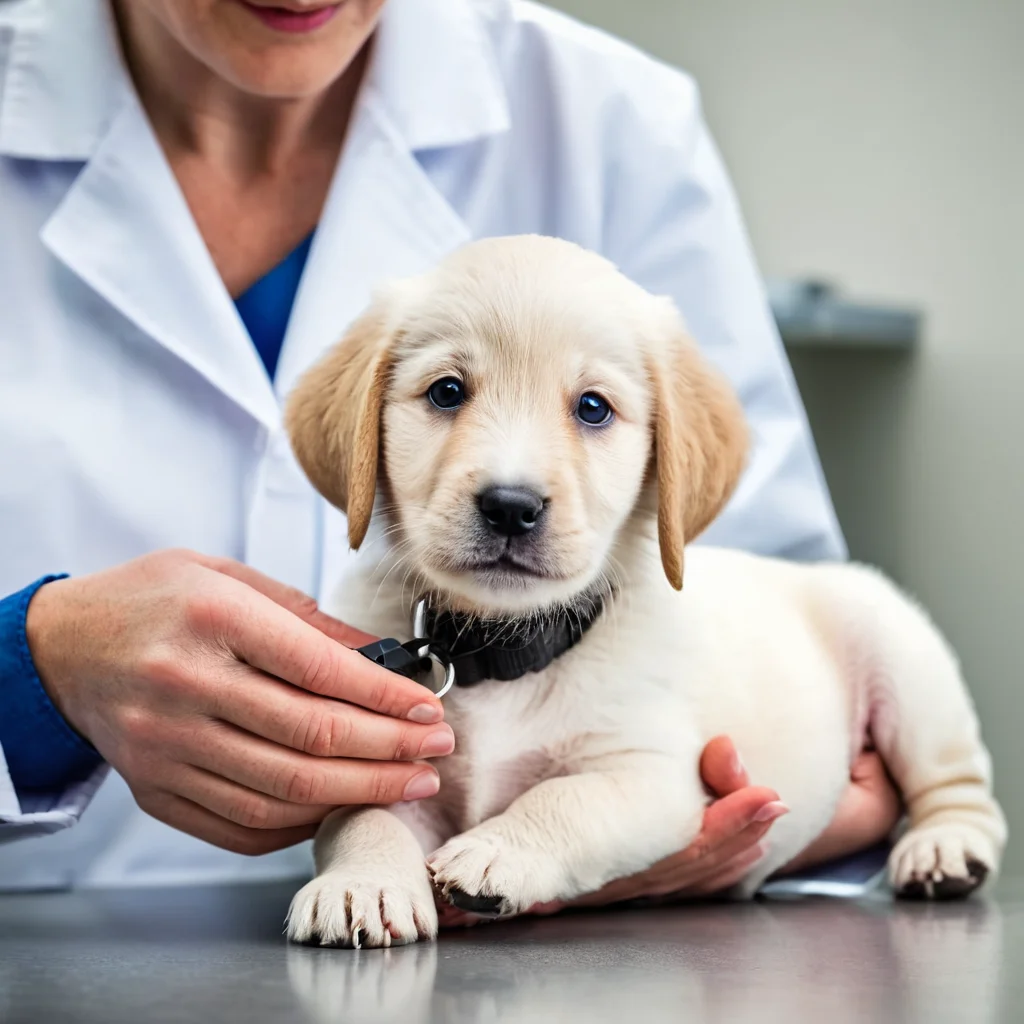

The first vet visit is the most important early health step of owning a puppy or kitten. Between 8 and 10 weeks is ideal, about 7 days after they come home. It covers a general health check, the start of vaccines, a parasite test, a microchip and a first introduction to socialization. Good preparation builds a positive link with the vet for your young pet and leads to years of stress-free vet visits. In this article, we look at a detailed guide to the first visit.
1. When Should the First Vet Visit Be?
- Ideal age: 8-10 weeks (the start of the socialization window for young pets).
- 5-7 days after coming home: Time to settle in.
- In an emergency: Diarrhea, weakness, vomiting: no waiting.
- Before adoption: A vet check should already have been done, but your own vet should still meet them.
2. How to Choose a Vet
- A clinic experienced with puppies and kittens.
- A nearby location (easier in an emergency).
- Whether there is a 24-hour emergency line.
- A calm and clean clinic.
- A vet with a calm approach that is not frightening for a young pet.
- Pick the closest one to your neighborhood from the DoldurKabı vet directory.
3. Preparing for the Vet Visit
- Carrier: Get your young pet used to it (with treats).
- Blanket/toy: With a familiar scent.
- Food + water: In case of a long wait.
- Documents:
- The health booklet from the person who rehomed your pet.
- Previous vaccination records.
- Breeder/shelter information.
- Microchip number (if there is one).
- Question list: Prepare one, because you will not remember everything at the vet.
- Reducing stress: Keep things calm for a few hours beforehand.
4. What Happens at the Vet
- Weighing: The starting point of the growth chart.
- General exam:
- Temperature check.
- Teeth + gums.
- Eyes + ears.
- Skin + coat.
- Listening to the heart + lungs.
- Belly exam.
- Legs + joints.
- Vaccines: The start of the puppy/kitten vaccine schedule (DHPP/FVRCP).
- Parasite test: Stool exam + parasite medication.
- Microchip: If it has not been done.
- Spay/neuter plan: Planning for 5-6 months.
- FeLV/FIV test (cats): In the first week after adoption.
5. Questions to Ask
- Nutrition: which food, how much, how many meals?
- Vaccine schedule: when is the next appointment?
- Parasite control: how often, which medication?
- Any tips for potty training?
- Socialization: when is it safe to start going to the park?
- Spaying/neutering: when do you recommend it?
- What is the emergency line number?
- Do you recommend insurance?
6. Building a Positive Link with the Vet
- A soft voice + treats in the waiting area.
- Treats + calm talk on the exam table.
- A high-value treat during the shot (chicken for dogs, soft wet food for cats).
- Practice lying down for the vet from an early age.
- If there are signs of fear, slow the pace and let the vet know.
- If the first visit goes well, you get years of relaxed vet visits.
7. Cost of the First Visit
- General exam
- DHPP/FVRCP vaccine
- Parasite medication
- Microchip
- FeLV/FIV test (cats)
- Full first visit
The price depends on the city, whether it is a clinic or a hospital, after-hours visits, imaging/hospitalization and the pet's weight and age. The provincial Chamber of Veterinarians (Veteriner Hekimleri Odası) publishes a yearly minimum fee schedule; the schedule is a floor, not the final bill. Ask the clinic for a written or verbal estimate.
8. How Often to See the Vet (Young Pets)
- First year: 4-5 visits (8, 12 and 16 weeks + spay/neuter at 6 months + 1 year).
- Ages 1-7: Once a year.
- Ages 7+: Twice a year.
- Extra visits in case of illness or concern.
9. Care After the First Visit
- 24 hours of rest after vaccines.
- Mild tiredness is normal.
- Severe side effects (swelling, vomiting) mean an emergency vet visit.
- Check the stool after parasite medication.
- Put the next appointment on your calendar.
10. Time to Think About Pet Insurance
At the first vet visit, look at your insurance options:
- Pet insurance is growing in Türkiye (Anadolu, Allianz and others).
- It is easy to enroll a healthy young pet.
- Pre-existing conditions are not covered, so get it early.
- Monthly
- It is a big help for emergency surgery and cancer treatment.
The price depends on the city, whether it is a clinic or a hospital, after-hours visits, imaging/hospitalization and the pet's weight and age. The provincial Chamber of Veterinarians publishes a yearly minimum fee schedule; the schedule is a floor, not the final bill. Ask the clinic for a written or verbal estimate.
The first vet visit for a puppy or kitten is the start of a health foundation, a bond of trust and a lifelong care plan. Good preparation and positive associations lead to years of stress-free vet visits. In the DoldurKabı app, you can find vet clinics near your neighborhood that are experienced with young pets, on a map.









