


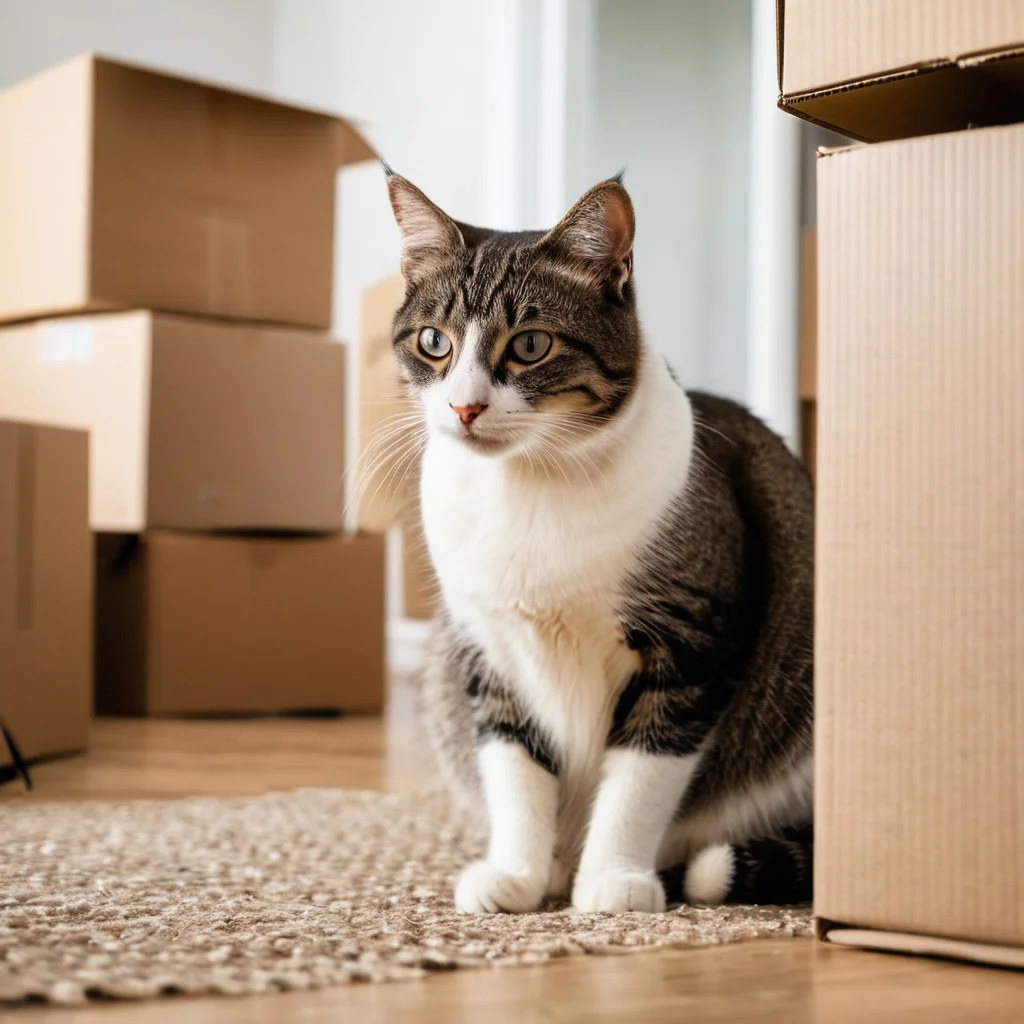

Moving to a new home is a very stressful life event for pets. The smells, sounds, furniture and routine they know change overnight. Cats in particular are territorial, so a new environment brings quite a bit of anxiety. Dogs have it a little easier because they're attached to their owners, but they still react. A gentle 14-day transition protocol keeps stress to a minimum. In this article we look at how to manage pet anxiety in a new home.
1. Signs of Moving Stress
- Hiding and avoiding contact.
- Loss of appetite.
- Excessive meowing/barking.
- Litter box/potty problems.
- Overgrooming.
- GI symptoms (vomiting, diarrhea).
- Disrupted sleep patterns.
- Behavior changes (less affection).
2. Preparing Before the Move (1 Week)
- Carrier training: Leave the carrier open and give rewards.
- Vet checkup: Good health → travel is OK.
- Microchip and DoldurKabı registration up to date: New address and phone number.
- Feliway/Adaptil: In both the old home and the new home, ahead of time.
- Familiar items: Have the bed, toys and blanket gathered together.
- Food supply: 2-3 weeks of the same brand, so a food change doesn't become a trigger on top of the new home.
3. Moving Day
- Keep your pet's morning routine normal, with no fuss.
- While belongings are being loaded, keep your pet shut in a quiet room.
- A familiar blanket and toy should be with it.
- The owner checks in often.
- Food and water within reach.
- Last of all, put your pet in its carrier and into the car.
- An air-conditioned, calm ride.
4. The First 72 Hours in the New Home
- Safe room setup (ready in advance):
- A quiet, small room (bathroom, small bedroom).
- Bed, food, water, litter box (for cats).
- Familiar items out in the open.
- A Feliway diffuser running.
- Settle your pet into this room.
- Close the door, away from the chaos of moving the rest of the belongings.
- The owner visits every 5-10 hours for calm interaction.
- If a cat hides, that's normal; don't pull it out.
- The first night, it sleeps in the safe room with the door closed.
5. Days 3-7: Gradual Expansion
- Open the safe room door.
- Let your pet explore on its own; don't force it out.
- Open one more room → another room 2 days later.
- Food and litter box stay in the safe room for now.
- Start getting the routine back to normal (mealtimes, walks).
6. Days 7-14: Full Adjustment
- It should have explored the whole home by now.
- Food and litter box move to their usual spots.
- Approaching the owner and showing affection return to normal.
- Appetite and sleep return to normal.
- Cat: watching from windows, using vertical space.
- Dog: walks in the new neighborhood.
7. How Dogs and Cats React
Dogs:
- Attached to their owner, so a change of home is easier.
- The first walks are for getting to know the neighborhood.
- Learning the new parks and streets takes 1-2 weeks.
- They usually adjust within 1 week.
Cats:
- Territorial, so a change of home is a big stress.
- Hiding for 1-3 days is normal.
- Loss of appetite for 1-2 days is OK; for 3+ days, see the vet.
- 2-4 weeks for full adjustment.
8. Multi-Pet Households
- Each pet gets its own safe room.
- Postpone introductions to the other pets for 7-14 days.
- Don't let the existing dynamic break down.
- Stress management is individual for each pet.
9. Emergency Signs (Vet Needed)
- 3+ days without eating (dangerous for cats: hepatic lipidosis).
- Not using the litter box/potty for 4+ days.
- Ongoing vomiting/diarrhea.
- Complete hiding and unresponsiveness.
- Self-harm.
- Intense vocalizing.
10. Long-Term Adjustment
- Most pets are fully adjusted after 1 month.
- If anxiety continues, see a veterinary behaviorist.
- Long-term Feliway use (3-6 months).
- Encourage exploring the new surroundings (walks, windows).
- Keep up socialization.
Moving to a new home is a major stress event for a pet. The formula of a gentle 14-day transition, a safe room, Feliway and patience helps most pets adjust within 2-4 weeks. Cats are slower than dogs; accept that. In the DoldurKabı app, you can find vet clinics experienced in behavior on the map.









