


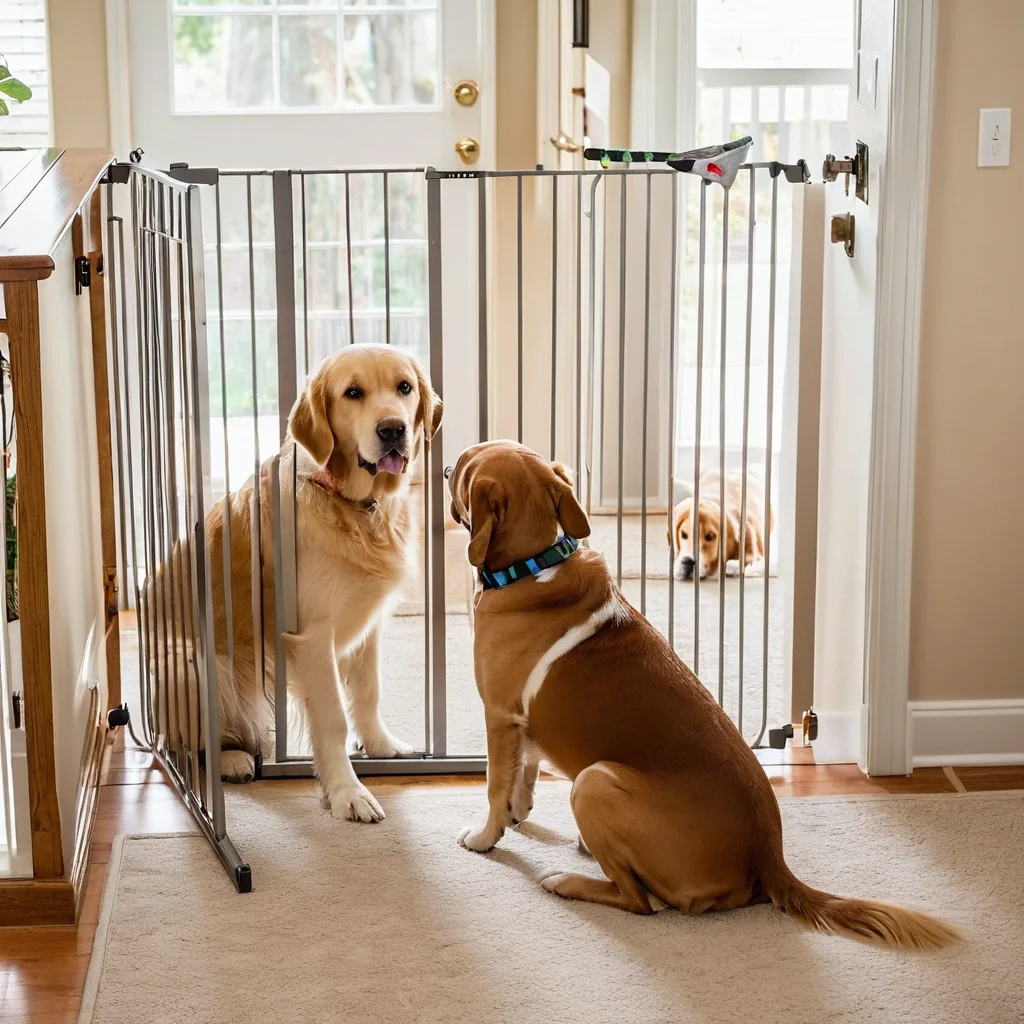

A new pet has come home, and getting along with your current pet is critical. The wrong introduction = fights, stress, social trauma. Start with scent, then sight, then a leashed meeting, then a free introduction. A gradual 30-day protocol. The science of multi-pet harmony. In this article we take a detailed look at the protocol for introducing a new pet.
1. Preparing Before the Introduction
- The new pet has a vet checkup and is fully vaccinated.
- Deworming plus flea and tick treatment.
- A health report (ruling out infectious diseases).
- Set up a separate room for the first week.
- A separate bed, food, water and bathroom spot for the new pet.
- Plan the roles of family members and owners.
- Patience is a must; there's no getting acquainted in one day.
2. Stage 1: Scent Introduction (3-7 days)
- The new pet stays in a separate room with the door closed.
- Your current pet picks up the scent from under the door.
- Swap blankets (every day).
- Place food bowls on both sides of the door.
- Positive association (scent + food).
- Let the new pet explore the home while your current pet is in a room.
- Signs of stress = slow down at this stage.
3. Stage 2: Visual Introduction (3-7 days)
- Seeing each other through a baby gate or a glass door.
- A first look from a distance.
- Positive association with treats.
- Each pet has an owner beside it.
- A soft voice and a calm attitude.
- Signs of aggression = block, go back a stage.
- Start with short periods of visual contact and increase gradually.
4. Stage 3: Leashed Meeting (7-14 days)
- The dog on a leash, with a separate owner for each pet.
- Short sessions (start with 5-10 minutes).
- Neutral area (living room, yard).
- Walking side by side (instead of face to face).
- Allow sniffing (briefly).
- Rewards and praise.
- Calmly separate them and let them rest.
- 2-3 sessions a day.
5. Stage 4: Free Introduction (14-30 days)
- Controlled free play.
- No leash, but under supervision.
- Signs of a fight = the owner separates them (calmly).
- Reward positive interaction.
- Keep sessions short in the first week.
- Then gradually increase them.
- Separate rooms at night until they have fully adjusted.
6. Dog-to-Dog Introductions
- Start on leashes with a side-by-side walk.
- Neutral ground (nobody's home).
- Owners stay calm and unflustered.
- Extra care with the same sex (two males or two females).
- Neutered pets get along more easily.
- A puppy and an adult = the puppy's socialization window.
- The senior pet gets priority.
7. Cat-to-Cat Introductions
- SLOWER than introducing dogs.
- 1-2 months is normal.
- A long scent stage (1-2 weeks).
- Visual contact through a door (a baby gate, not a cage).
- Treats plus Feliway pheromones.
- Your current cat guards its territory.
- The new cat slowly gains space.
- A fight = separate rooms and start the protocol over.
8. Dog-to-Cat Introductions
- The HARDEST introduction.
- Control the dog's prey drive.
- High spots for the cat (a cat tree) as an escape route.
- Train the dog that "chase" is NOT allowed.
- If the cat backs away, the dog learns to just watch.
- Leashed dog and free cat (at first).
- A calm dog = a reward.
- Full harmony taking 6+ months is normal.
9. When You See Signs of Stress
- SLOW DOWN at this stage.
- Go back to the previous stage.
- Shorten the sessions.
- Temporarily separate the new pet.
- Strengthen the bond between owner and pet.
- Equal love for all pets.
- Support with Feliway/Adaptil pheromones.
- A behavioral vet (for severe cases).
10. Long-Term Harmony
- Separate resources (bed, food, water).
- Equal time with the owner.
- Exercise and play, both separately and together.
- Keep jealousy in check.
- Over the years, the bond between pets deepens.
- Different life stages (young, adult, senior) bring different dynamics.
- Six months is a normal time for a new pet to adjust.
- Patience + consistency = the path to harmony.
Introducing a new pet: a 30-day protocol of scent, sight, leashed meetings and free time. Don't rush, because a bad first impression can cause problems that last for months. Patience plus a science-based approach = long-term harmony between pets. Cat-and-dog pairs are the hardest, but it's possible. The owner's role = mediator, sharing love fairly. In the DoldurKabı app you can find pet behavior specialists and multi-pet training guides on a map.









