


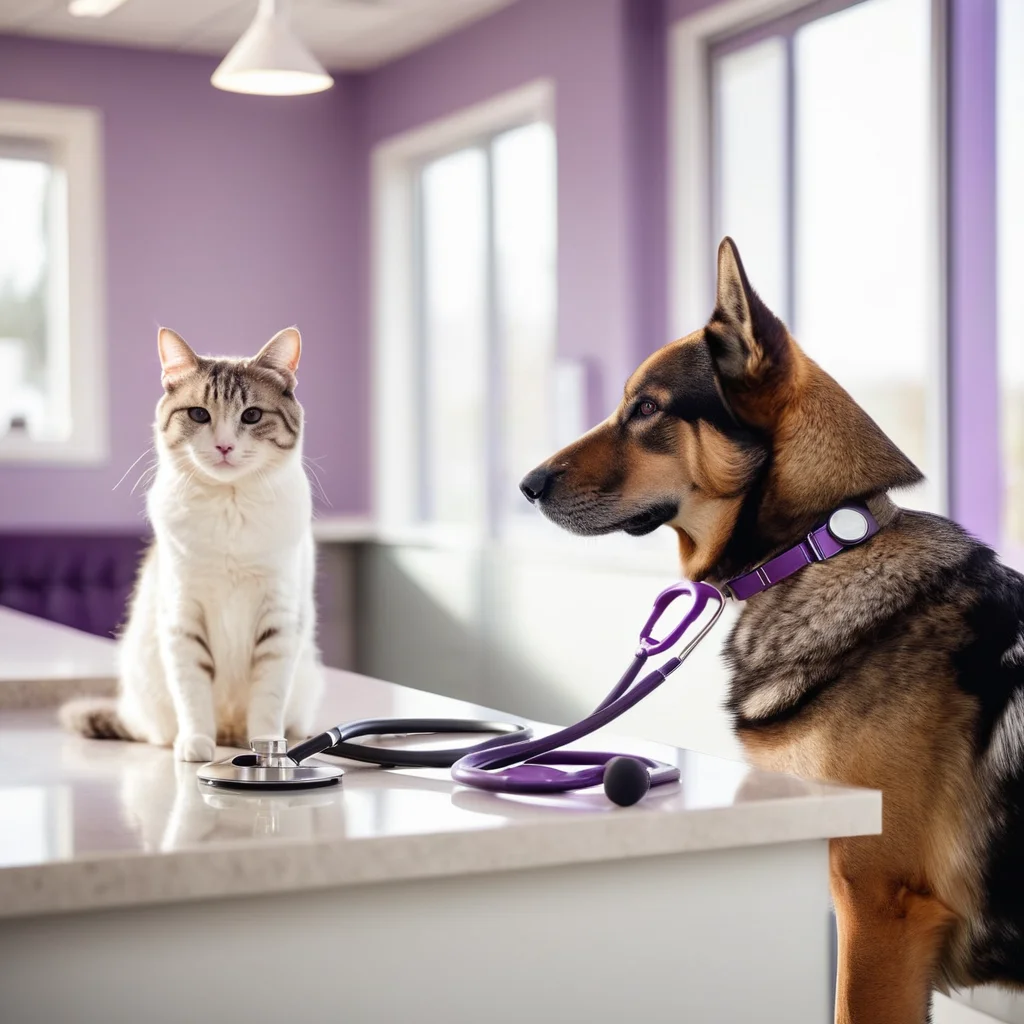

You have moved to a new city, or you're not happy with your current vet. Choosing a new vet is a critical decision for your pet's health: a bad vet can mean a wrong diagnosis, unnecessary surgery and high fees. A good vet means 15+ years of health for your pet. Location, 24-hour emergency care, specialization, hygiene, equipment, price, certification and the fit between owner and vet all matter. In this post, we take a detailed look at the criteria for choosing a new vet.
1. Location and Accessibility
- A 10-20 minute trip from home is ideal.
- Easy parking (stress is a critical factor for your pet).
- Public transportation access (in case you can't find an emergency pet taxi).
- Is there a 24-hour emergency clinic nearby?
- Traffic conditions (morning and evening hours).
2. 24-Hour Emergency Service
- Emergency care at night and on weekends is critical.
- Is the clinic open 24 hours, or does it have an emergency partner?
- Ask for the emergency price list (at night, 2-3 times the normal rate).
- Does the clinic know a nearby 24-hour clinic? (as a backup)
3. Vet Certification and Training
- Membership in the Turkish Veterinary Medical Association (Türkiye Veteriner Hekimler Birliği, TVHB).
- Year of university graduation.
- Specialty (surgery, internal medicine, behavior).
- Participation in continuing education.
- Specialization abroad (training in Europe or the US).
- Publications and scientific papers.
4. Clinic Hygiene and Environment
- Do a sniff test on your first visit: does it smell clean?
- A clean waiting room.
- An exam table that is clean and disinfected.
- A separate surgery room.
- Separate waiting areas for cats and dogs (to reduce stress).
- Staff use gloves and masks.
5. Equipment and Technology
- Diagnostics: X-ray, ultrasound, an in-house lab (blood), urine tests.
- Surgery: A modern anesthesia machine, heart monitor, vital signs monitoring.
- Dental: Dental X-rays plus a scaler.
- Endoscopy: For advanced diagnostics.
- Emergency: Oxygen, IV, defibrillator.
- Is the lab external? Ask how long results take.
6. Price Transparency
- A clear exam fee.
- A paid vaccine package (annual plan).
- A price range for spaying/neutering.
- An explanation of surgery costs (operation, anesthesia and medication).
- A written estimate.
- Accepted payment methods (card, installments).
7. Staff and Vet Nurse Quality
- Trained veterinary nurses.
- Courtesy on the phone.
- A quick response in emergencies.
- Petting your pet and showing affection.
- Patient answers to the owner's questions.
- Most clinics have 2-3 vets plus 4-5 nurses (standard).
8. Client Reviews
- Google Maps reviews.
- Social media (Instagram, Facebook).
- Recommendations from people you know (pet owners in your neighborhood).
- Reviews in DoldurKabı, the pet app in Türkiye.
- Responses to negative reviews (how does the vet react?).
9. Evaluating the First Visit
- Set up the first exam as a "meet and greet": If vaccines or treatment are needed, do them on a second visit.
- Does the vet examine your pet gently?
- Is your pet stressed? (The vet's approach is critical.)
- Clear answers to the owner's questions.
- A plan for future care.
- An emergency contact number.
10. Red Flags
- Saying they'll "Google it" about things they don't know.
- Not being able to handle your pet gently.
- Constant unnecessary tests (to raise the bill).
- No price transparency.
- Hiding certifications.
- A dirty waiting room.
- Not listening to the owner.
Choosing a new vet comes down to a formula: evaluating the first visit, certification, client reviews, equipment and price transparency. Your pet's 15+ years of health start with this choice. Do your research when it isn't urgent, and compare 2-3 vets. In the DoldurKabı app, you'll find a map-based vet list, client reviews and a specialization filter.









