


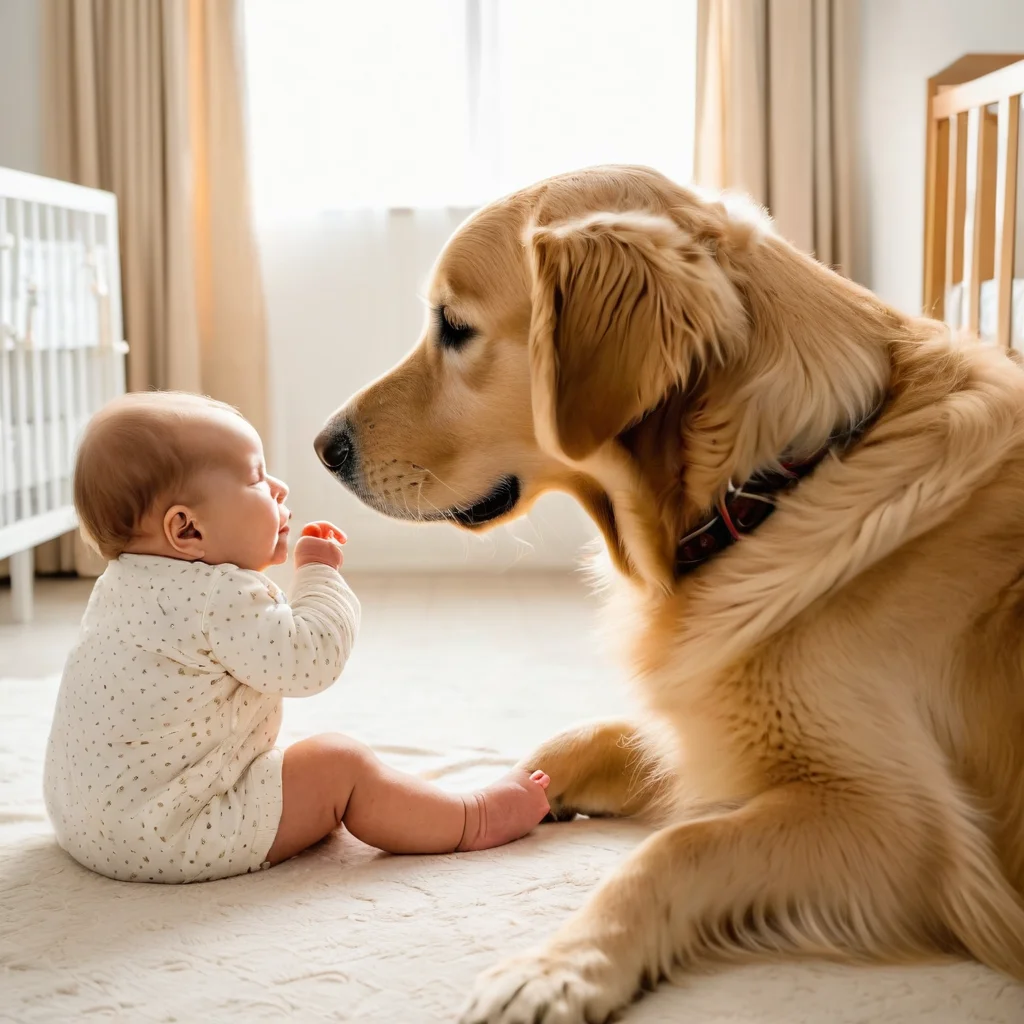

Your family is expecting a baby, so your pet's preparation starts months ahead. Getting used to baby sounds, preparing the room, scent introductions, a first meeting protocol, safety rules for baby and pet, and managing jealousy. A happy and safe life together for your pet and baby is possible. In this post, we take a detailed look at introducing a newborn baby and a pet.
1. Preparing During Pregnancy
- Start 3-6 months ahead.
- Solid pet training (sit, stop, wait).
- Reliable control with commands.
- Start a new routine (for the change ahead).
- A vet checkup for your pet's health.
- Vaccines and parasite medication up to date.
- Work through behavior problems.
- Socialization and calming for your pet.
2. Getting Used to Baby Sounds
- Baby sound recordings on YouTube (crying, laughing).
- Start at a low volume.
- Slowly turn it up.
- Pet stays calm = reward.
- Sounds of baby gear (buzzing, music).
- Regular practice for 2-4 weeks.
- Your pet learns to accept the sounds.
- Signs of stress = turn the volume down.
3. Preparing the Baby's Room
- Set up the baby's room early.
- Walk your pet through the room (to learn the smells).
- Introduce the crib and baby items.
- Getting used to new furniture.
- Rules for your pet's access to the baby's room.
- Bring the scent of baby clothes and blankets into the home.
- 4-8 weeks for your pet to adjust.
- Adjust your pet's routine for the baby.
4. Starting a New Routine
- Adjust your pet's walk times (with the baby coming).
- A plan for mealtimes.
- Re-plan your pet's attention time.
- Share pet care among family members.
- Clear rules for your pet.
- Use the "wait," "stay" and "lie down" commands.
- A gentle transition, no shocks.
- Start with small changes first.
5. Preparing for the Return from the Hospital
- While mom is in the hospital and before the baby comes home: take a piece of the baby's clothing and send it home for your pet (her partner can bring it).
- Your pet gets to know the baby's scent ahead of time.
- Before you come home, take your pet on a long walk (tired and calm).
- A family friend as backup care for your pet.
- When you walk in, MOM goes first (she greets the pet before taking the baby in).
- Mom calmly says hello to the pet.
6. First Meeting Protocol
- Mom sits down in a calm spot.
- Her partner holds the baby next to her.
- The pet is on a leash and at a distance.
- Reward the pet for staying calm.
- Let the pet sniff from a distance.
- Move closer gradually.
- Praise and reward the pet.
- First session: 5-10 min.
- Pet is stressed = take a break.
7. Safety Rules
- NEVER leave your pet and baby alone together.
- NO pet access to the crib.
- Separate spaces for the baby and the pet.
- Pet training and boundaries.
- Diapers kept out of your pet's reach.
- Baby's bedroom door closed (at night).
- Baby's vaccines and pet's vaccines up to date.
- Hygiene: keep your pet's paws clean.
8. Managing Jealousy
- Your pet shouldn't lose their special time.
- Keep up walks and play.
- New items and treats (for the pet as the baby arrives).
- A pet who feels neglected may develop behavior problems.
- Protect the bond between your family and your pet.
- Family members make time for the pet.
- The baby's presence = a positive association for the pet.
- Your pet learns "baby = good things."
9. Pet Behavior Signs
- Withdrawing and hiding.
- Excessive barking.
- Peeing or pooping in the house.
- Destructive behavior.
- Behavior as if they have lost their owner.
- Irregular eating and sleeping.
- Help from a behavior vet.
- Patience and love.
10. The Long Term
- As the baby grows, so does the bond with the pet.
- Teach your child to read and respect pets early.
- Always supervise when your child and pet are together.
- The family stays aware of the pet's stress signs.
- Teach your child about the pet (don't bother the pet while they're resting).
- Family, pet and child in harmony.
- A pet is a child's first friend.
- A pet teaches empathy and responsibility.
Newborn baby and pet: the formula is preparing 3-6 months ahead + getting used to sounds and scents + a first meeting protocol + safety + managing jealousy. A happy life together for your pet and baby is possible. The family brings patience and supervision. Your pet is always a member of the family. For a child, a pet is a first friend. In the DoldurKabı app, you can find pet behavior specialists and family support information on a map.









