


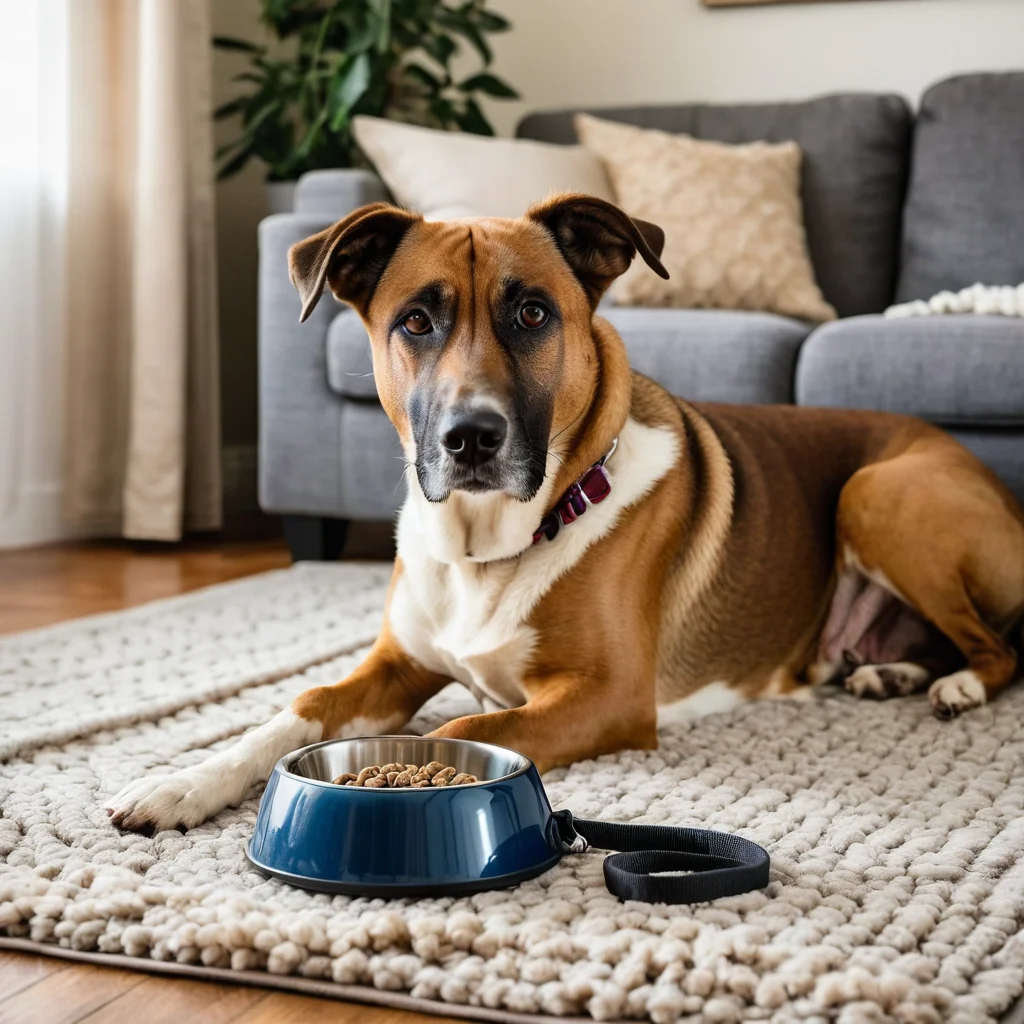

When most people think about adopting a dog, an adorable puppy is the first thing that comes to mind. Yet adult dogs waiting for a home in shelters and adoption listings often carry great potential that gets overlooked. Their personalities are settled, they have picked up basic habits and all they want is a safe home; with the right match, these dogs can adjust to your life surprisingly fast.
Still, adopting an adult dog is a different experience from raising a puppy. The process has its own advantages, and it also has parts that call for patience. If you set your expectations right from the start, adjustment goes much more smoothly for both you and your new friend.
In this article, we go through 8 facts you should know before adopting an adult dog. By the time you finish reading, you'll know clearly what to look for when searching for the right dog for you.
Fact 1: Personality and Size Are No Longer a Surprise
What temperament and size a puppy will grow into is largely a guess. Especially with mixed breed puppies, estimating adult size without seeing the parents is nearly impossible. With an adult dog, what you see is largely what you get: calm or energetic, people-loving or reserved, how it gets along with other dogs. You can observe all of this before you adopt.
This clarity gives you a real advantage. If you live in a small apartment, you don't have to guess how big the dog will get; the dog you see in the listing is the size it is. During the adoption meeting, be sure to ask the volunteers or the foster caregiver how the dog behaves during the day, how it does on a leash and what it enjoys.
The Training Load Gets Noticeably Lighter
Fact 2: Potty training is usually already done
A good share of adult dogs have lived in a home before or have settled into a routine at the shelter. That means potty training is usually already in place. A process that can take months with a puppy is usually limited to a few days of getting to know the new surroundings with an adult dog. A few accidents may happen in the first days; they come from the stress of a new environment, not from a lack of training. Taking the dog out for walks at regular times, rewarding it when it goes in the right place and never punishing it helps the existing habit carry over to the new home quickly.
Fact 3: You skip the puppy destruction phase
Furniture chewed during teething, shredded slippers, crying at night, potty trips every two hours... With an adult dog, you largely skip this exhausting chapter of raising a puppy. A dog whose energy has balanced out and whose impulse control has matured goes along with home life with far less damage. Of course, that doesn't mean adult dogs never get into mischief; but the difference is as clear as the difference between a storm and a light breeze. For people who work long hours or are adopting a dog for the first time, this is a very reassuring side of the process.
Fact 4: Its Past May Be Unknown, and Patience Is Needed
For some adult dogs up for adoption, the past is unknown. They may have lived on the street, been abandoned or been mistreated. That history may show up as some unexpected reactions: being afraid of the vacuum cleaner, being shy around certain people or refusing to get in the car.
The key word here is patience. Instead of forcing the dog to face what it fears, let it get used to things at its own pace. Positive reinforcement (strengthening the behavior you want with a reward) is a powerful tool in your hands during this process. If fear reactions don't fade over time or turn into aggression, don't hesitate to get support from a dog trainer or your vet.
Building a Bond Takes Time
Fact 5: Trust builds slowly but runs deep
Puppies bond with everyone easily; an adult dog waits for you to earn its trust. In the first weeks, it's completely normal for the dog to keep its distance, ignore you or not want to leave a single room. Don't take it personally: the dog isn't rejecting you, it's just figuring out its new world. Once trust is built, though, the bond that forms is remarkably deep. Regular feeding times, a calm tone of voice, short and enjoyable walks; these small consistencies make you a safe harbor in the dog's eyes. Many people who adopt adult dogs describe the intensity of this bond as the lovely surprise of the process.
Fact 6: Senior dogs need a home too
The ones who wait longest on adoption lists are usually senior dogs. Yet these dogs, who live calmly, are happy with short walks and want nothing more than a lap to share, make wonderful companions for slower-paced homes. If you adopt knowing that vet checkups need to be a bit more frequent, what remains is simply a peaceful friendship.
Fact 7: You Can Choose the Energy Match Yourself
Do you want an energetic companion to go running with, or a calm friend to curl up next to you in the evenings? With an adult dog, this choice really is in your hands, because the dog's energy level is already a known trait. With a puppy, it's an unknown that only becomes clear months later.
When browsing dog adoption listings, ask the person who posted the listing these questions: How many hours of walking does it need a day? Can it stay calm at home? Is it used to being alone? When your own pace of life matches the dog's needs, half the adjustment is done from the very first day.
Fact 8: The 3-3-3 Rule Is Your Compass for Adjustment
The 3-3-3 rule, often used in the adoption world, sums up an adult dog's adjustment to its new home in three stages:
- The first 3 days: The dog is confused and tense. Loss of appetite, hiding or sleeping a lot may be seen. During this period, keep the home calm and put off having visitors.
- The first 3 weeks: The dog starts to figure out the household routine. Its real personality gradually comes out; it may test boundaries. This is exactly the time to be consistent with the rules.
- The first 3 months: The dog now feels at home. The bond of trust settles in, and it becomes a natural part of the family routine.
This rule isn't a calendar but a compass; every dog moves at its own pace. What matters is not making an early decision based on shyness in the first days. Adopting an adult dog means giving it a second chance; if you'd like to look at dogs searching for a home, you can browse listings in your city on the adoption listings page.
Frequently Asked Questions
Will an adult dog really bond with a new owner?
Yes, and very strongly. Bonding may take longer than with a puppy, but once trust settles in, a deep and loyal relationship emerges. Keep the 3-3-3 rule in mind: most dogs feel completely at home by the end of the first three months.
What should I do if the dog I adopted can't settle in?
Shyness and adjustment problems in the first weeks are normal; don't give up right away. Set a steady routine, give the dog a calm space of its own and wait without forcing things. If behavior problems continue, stay in touch with the person who posted the listing or with shelter volunteers, and get support from a dog trainer if needed.
Can an adult dog learn new commands?
Absolutely. The saying that you can't teach an old dog new tricks is an urban legend. With positive reinforcement, dogs learn at any age; in fact, since adult dogs have longer attention spans, some even pick up certain commands faster than puppies.
Where should I start if I want to adopt an adult dog?
First, honestly assess your pace of life and your home's conditions, then browse the dog adoption listings. Talk with the person who posted the listing for a dog that seems right for you, arrange a meet-and-greet visit if possible and ask your questions without hesitation. The right match is the foundation of a happy adoption.









