



You have brought a new adult pet into a home with an adult dog or cat. This is a much more delicate process than introducing a puppy or kitten. Adult-to-adult encounters carry a risk of territorial fights and lasting hostility. The official 21-day protocol, with its stages of scent swapping, visual contact, leashed meetings and free interaction, is what makes it work. A rushed introduction can leave you with two animals that stay enemies for years. In this article we take a detailed look at the protocol for introducing adult pets to each other.
1. Why Adult-to-Adult Is Harder
- An adult pet's "personality" is already set.
- Territorial behavior is pronounced.
- Past experiences (earlier fights, trauma) play a role.
- The early socialization window has closed, so teaching social skills is harder.
- Emotional for the owner: the feeling that the resident pet is being "neglected."
- The first encounter leaves a lasting impression.
2. Assessment Before Adoption
- Your current pet's history: does it get along with other pets?
- The new pet's history: how did it do with previous pets?
- Age gap: a very large gap → the younger pet's energy wears out the older one.
- Sex: two males of the same species tend to be more prone to conflict.
- Size: a small + large combination carries a risk of triggering prey drive.
- Spaying/neutering: 2 neutered pets are more peaceful.
3. Stage 1: Preparation (Before the New Pet Arrives)
- Prepare a "safe room" for the new pet:
- Food, water, litter box (for cats), bed, toys.
- Everything it needs + a separate space.
- No access for your current pet.
- Don't change your current pet's routine.
- Use an Adaptil/Feliway diffuser in both the old and new areas.
- Family members should agree on the rules.
4. Stage 2: Scent Swapping (Days 1-3)
- When the new pet arrives, settle it in the safe room.
- The current and new pets DO NOT see each other.
- Put the new pet's bed in your current pet's area.
- Put your current pet's bed in the new pet's area.
- Both discover the other's scent while eating ("this smell = a good thing").
- After 3 days of scent swapping, move to the next stage.
5. Stage 3: Under-the-Door Interaction (Days 4-7)
- The door stays closed, with paw contact only under the door.
- Both eat their food in front of the door.
- Slide toys under the door.
- Sniffing paws under the door is OK.
- Growling/hissing → increase the distance and take more time.
- Calm interaction → reward.
6. Stage 4: Visual Introduction (Days 8-12)
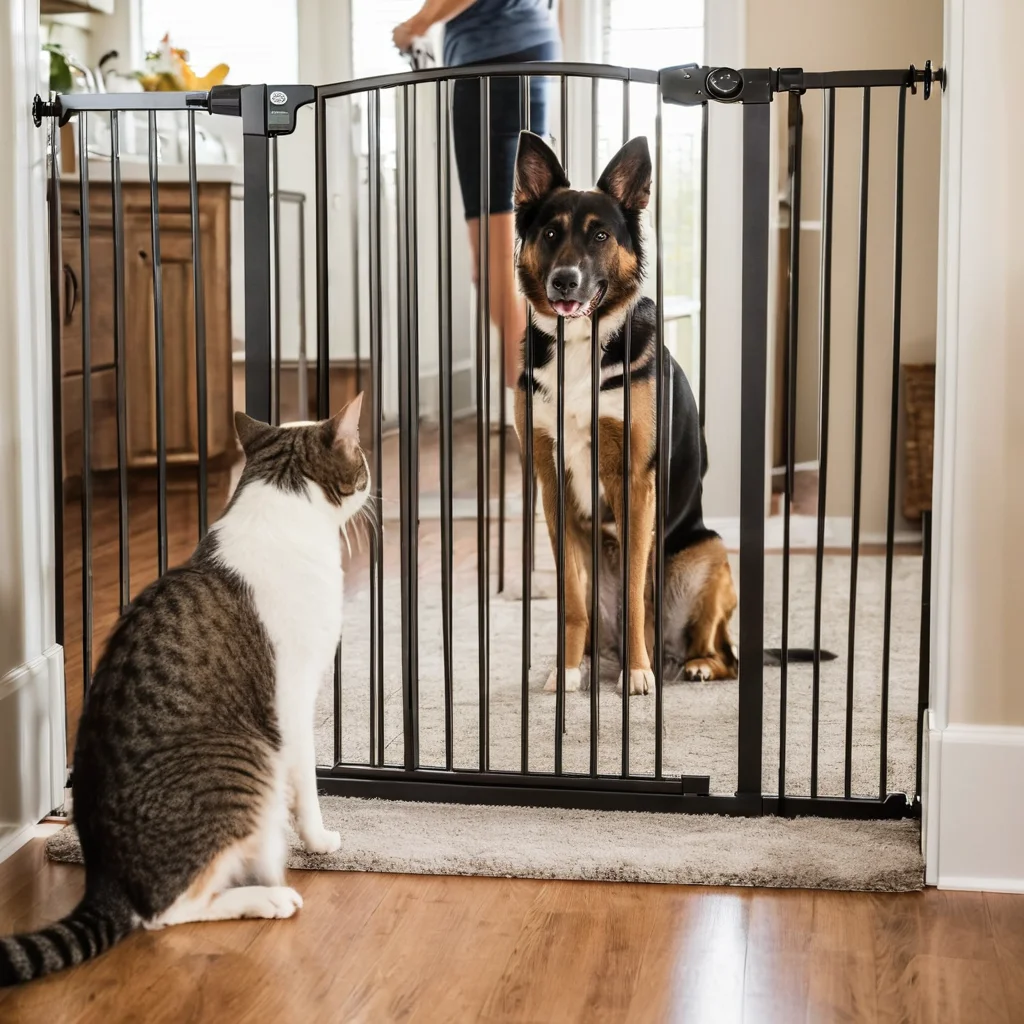
- Separate two areas with a baby gate (so they can see through).
- The pets see each other but have no contact.
- Give both food + treats the moment they see each other.
- Reward calm reactions.
- 5-10 minute sessions, 2-3 times a day.
- Cats: keep an escape route to a high shelf open.
- Dogs: on leash, close to the owner.
7. Stage 5: Same Room on Leash (Days 13-17)
- The dog is on leash and under the owner's control.
- The cat is free, with an escape route open.
- 10-15 minute sessions, twice a day.
- Let the pets approach each other, but under control.
- Positive reactions → plenty of treats.
- Growling → separate them and try again later.
8. Stage 6: Free Interaction (Days 18-21+)
- Off leash, but with the owner nearby.
- Cats: the escape route stays open.
- The pets explore each other.
- Reward positive interactions.
- Signs of aggression → separate them and go back a stage.
- When the owner is away, keep them in separate rooms for 4-6 weeks.
9. If a Fight or Attack Happens
- Never put your hands between them.
- Break it up with a loud noise (clapping, a plush cushion).
- Put a blanket or cushion between them.
- Shut them in separate rooms.
- Check for wounds (cat claws = infection).
- Go back 2-3 stages and move more slowly.
- 3+ attacks = see a vet behaviorist.
10. After 4-6 Weeks
- Most pets live together peacefully.
- Give your resident pet priority attention (respect for its status).
- Separate food, beds and spaces continue.
- Regular positive interaction.
- Some pets may never fully make peace → living in separate rooms.
- In severe cases, rehoming may be considered.
Introducing adult pets: the official 21-day protocol + patience + gradual stages is the key to success. A rushed introduction creates years of hostility. With the right approach, two adult pets can live together peacefully. In the DoldurKabı app, you can find vet clinics with behavior experience on the map.









