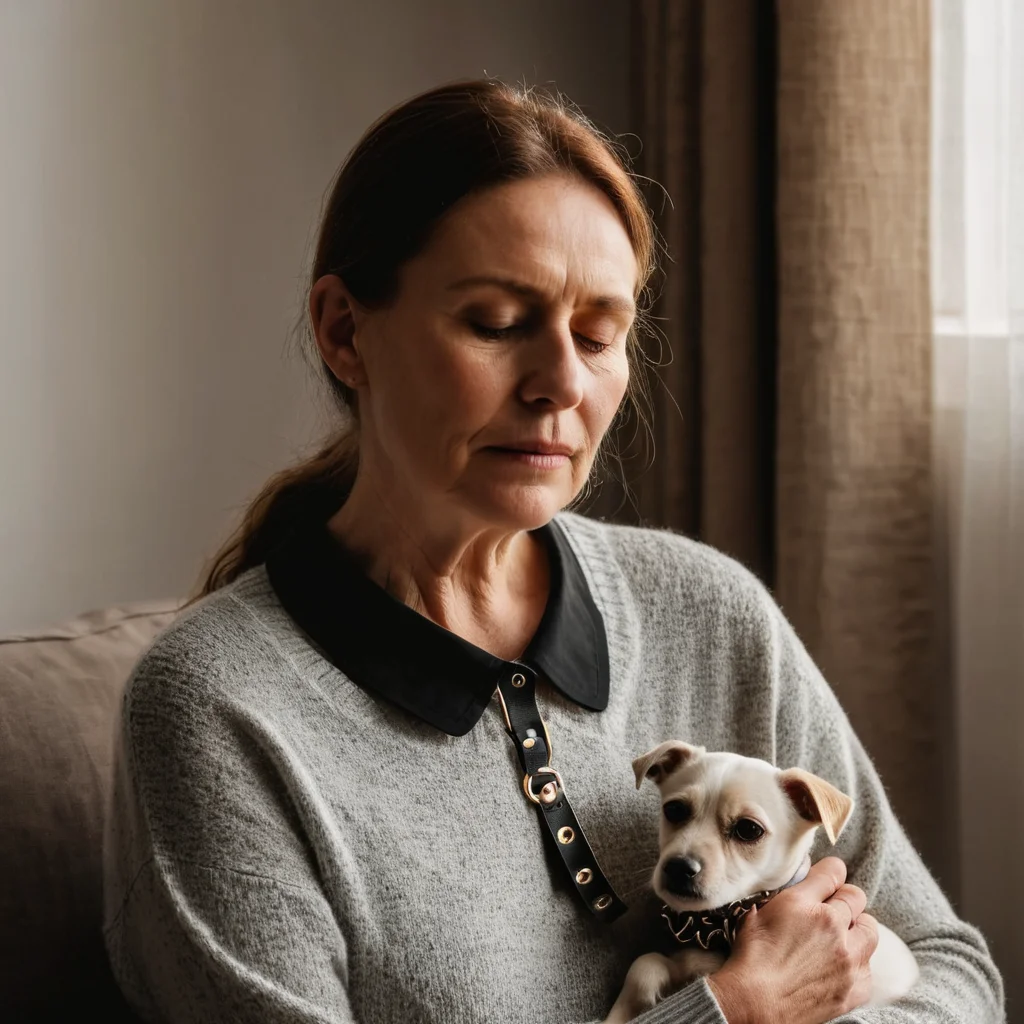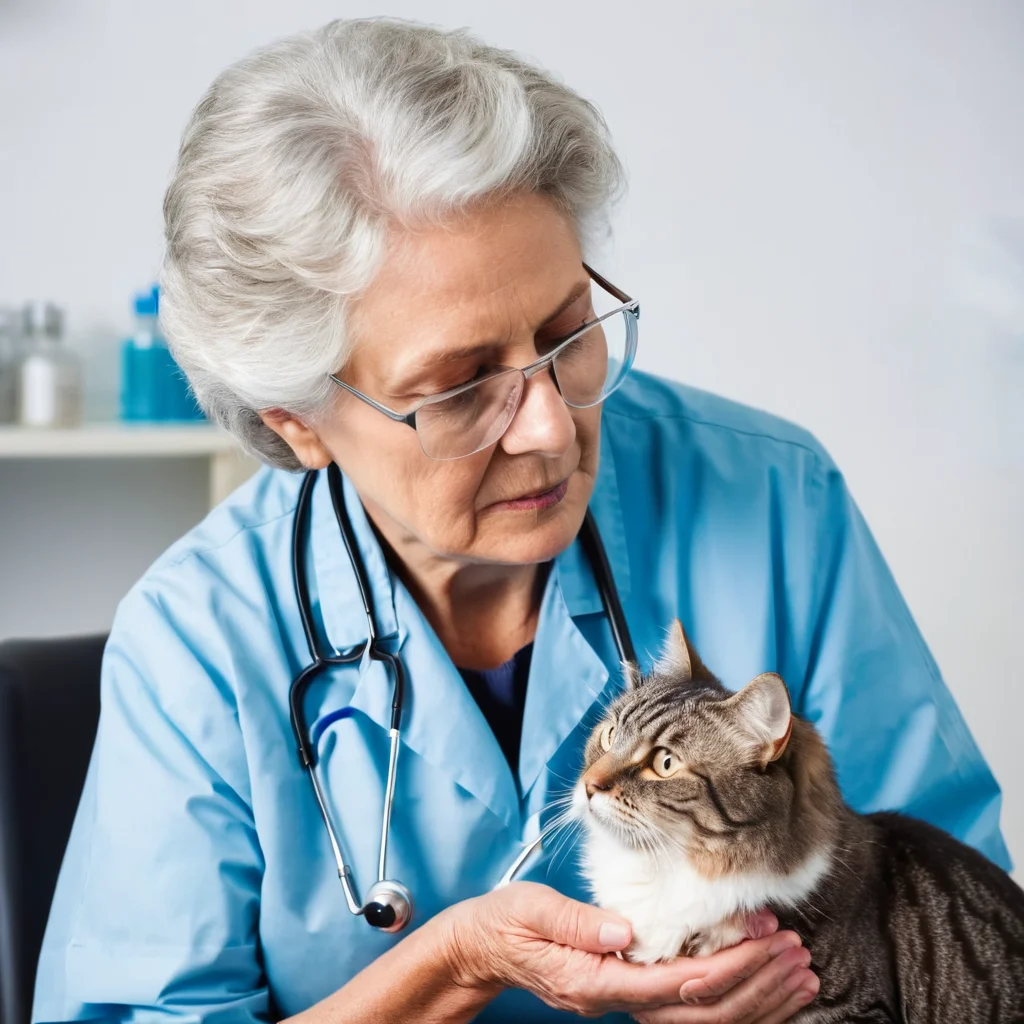

New Year's Eve packs several hard things for pets into a single evening. The house fills up, the door keeps opening and closing, the table is covered with food that smells irresistible, and at midnight the fireworks start outside. Each of these is manageable on its own. When they all pile up, though, you get dogs that bolt, cats that snatch something off the table and pets that won't come out of hiding until morning.
The good news: most of this night can be planned ahead. We have broken the plan below into days and hours, so you don't have to think about everything at once.
A week before: ID and preparation
A door left open during the night or a dog startled by a bang is enough for a pet to disappear in seconds. So the first job is checking ID.
- Check that the phone number on the ID tag is current and the writing is readable.
- Ask your veterinarian to confirm the microchip registration matches your details.
- Take a few clear, recent photos of your pet. If it goes missing, these are the first thing you'll need.
- Find out which vet near you will be open over the holidays and save the number in your phone.
If loud noises affected your pet a lot in past years, talk to your veterinarian about it a week ahead. Once the midnight fireworks start, there's only so much you can do; a plan works when it's set up in advance.
Afternoon: burn off energy
On December 31, walk your dog a bit longer than usual, and have a long play session with your cat. A tired pet reacts more calmly to the evening crowd and the noise. Finish the evening walk before dark and well before fireworks time.
Serve dinner a little earlier than usual. A pet with a full belly shows less interest in the table, and its stomach won't be empty when the tension builds toward midnight.
Preparing a quiet room
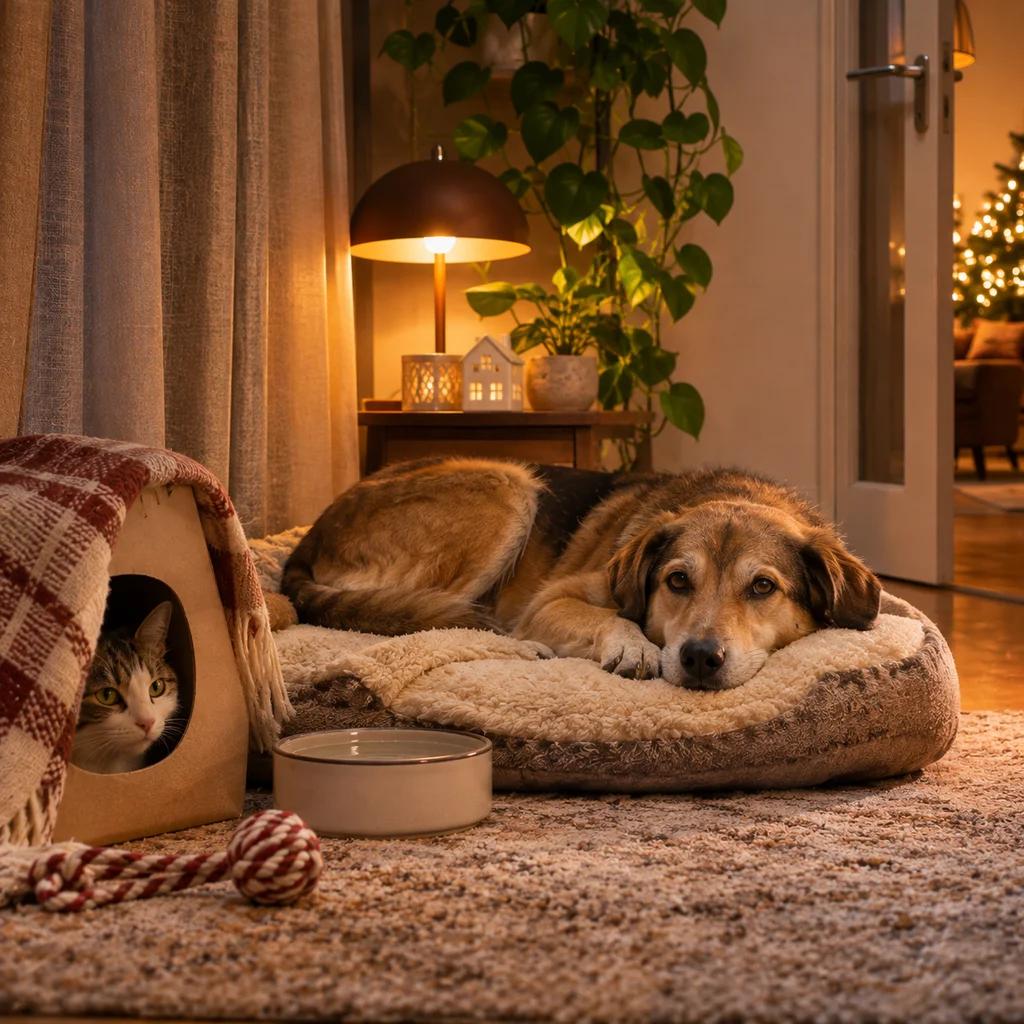
Choose a room away from the crowd and set it up before guests arrive. If your pet gets to know this room in the afternoon, it will go there on its own in the evening.
- Close the curtains and keep the light dim.
- Put its bed, water and, for a cat, the litter box in the room.
- Leave a corner where it can hide: a covered box, under the bed or a carrier.
- Soft music or the sound of a TV muffles the bangs outside a little.
- Keep the door closed and keep track of who goes in and out.
For cats, hiding is a normal way to cope. If your cat crawls under the bed and doesn't want to come out, don't try to pull it out; let it stay where it feels safe.
Before guests arrive: the door rule
Most escapes on New Year's Eve happen at the door. A guest arrives, the door stays open and, while coats are being hung up, the dog slips out to the stairs. To prevent this, move your pet to the quiet room before guests arrive, and once everyone has settled in, you can bring it out to the living room in a controlled way if you like.
Explain the situation to your guests in a few sentences:
- No feeding the pet from the table.
- The balcony and front door get closed after every pass.
- The quiet room's door is never left open.
- Kids shouldn't pick up the pet and carry it into the crowd.
The table: risks on the menu
A New Year's table is full of foods that are risky for pets. Turkey or chicken bones become brittle when cooked and can splinter. Grapes and raisins can be toxic for dogs. Onion and garlic are harmful for both cats and dogs, and that includes sauces with onion and stuffed rice. Chocolate, alcoholic drinks and desserts with sugar-free sweeteners should also stay on the table.
Fatty meat scraps and skin can cause trouble too; very fatty food can trigger serious digestive problems in some pets. In short, not giving your pet anything from the table rules out these risks from the start. If you want to give it something special, a handful of its own food or a treat approved by your veterinarian is enough.
At the end of the night, the trash can is the forgotten risk. Bones, foil, toothpicks and meat scraps tied with string sit in the trash; a bin with a loose lid calls to your dog all night. As soon as the guests leave, put the trash in a closed bag and take it outside.
Extra notes for homes with cats
Cats may seem less affected by crowds than dogs, but often they just react more quietly. Guests wanting to pick the cat up, kids chasing it or a door that keeps opening and closing can lead your cat to hold its bladder or skip eating all night.
- Keep the litter box in the quiet room, away from the crowded room.
- Leave a shelf or the top of a cabinet where your cat can climb up high. For cats, height means safety.
- Make sure the windows and balcony door are closed. A frightened cat may see an open window as a way out.
Midnight: when the fireworks start
As the hour gets close, stay with your pet. As long as you stay calm, it reads the room. If it's trembling or snuggling up to you, comforting it is fine; keep your voice soft and your movements slow. Forcing it into your arms or pulling it out of its hiding spot, on the other hand, only adds to the tension.
If you need to take your dog out to go potty at midnight, always use a leash and harness, and don't go far from the door. Dogs slipping out of their harness at the sound of fireworks are common; check the buckles once more before you go out. Make sure the balcony doors and windows are closed, since frightened cats can jump from an open window.
The next morning: watch the street
On New Year's morning, the streets are a mess. Spent fireworks, broken bottles and food scraps left on the sidewalk are the risks of the morning walk. Walk your dog on a short leash and don't let it grab anything off the ground. Stay away from unexploded or half-burned firework debris.
Keep an eye on your pet throughout the day. Changes like vomiting, diarrhea, lethargy, loss of appetite or constant hiding may point to something it grabbed from the table or to the stress of the night. If you suspect it ate something, talk to your veterinarian without waiting; to find a place open on the holiday, you can check the emergency vet page.
What if your pet gets out?
If it still slipped out the door despite everything, don't panic and scatter through the streets; first write down where and when it was last seen. Frightened pets usually hide nearby, in a quiet corner. Post a listing right away in the lost pets section. A lost pet listing you post in the DoldurKabı app goes out as a notification to users in the area; someone out on the street that night might spot your pet. If your pet has a digital pet ID in the app, the QR code on it makes it easier for the person who finds it to reach you.
Frequently Asked Questions
Can I leave my pet home alone on New Year's Eve and go out?
If it's a calm pet that isn't bothered by noise, it can stay alone for a short time in a prepared room. It's better not to leave a pet that is very afraid of noise alone at midnight; if possible, plan to spend the night at home, or have someone it trusts stay with it.
One of my guests fed my pet something from the table. What should I do?
Find out what was given and how much. If it involved grapes, chocolate, food with onion, cooked bones or alcohol, call your veterinarian without waiting for symptoms.
My cat hid on New Year's Eve and still won't come out in the morning. Is that normal?
Hiding for a few hours is normal. Put food, water and the litter box nearby, and wait for it to come out in its own time. If it doesn't eat at all or doesn't use the litter box for more than a day, talk to your veterinarian.
Can I leave my dog with a friend on New Year's Eve?
You can, but an unfamiliar home combined with midnight noise increases the risk of escape. Take your dog to that home a few days ahead to get acquainted, make sure its ID tag is on, and explain the door and balcony rule to your friend.