


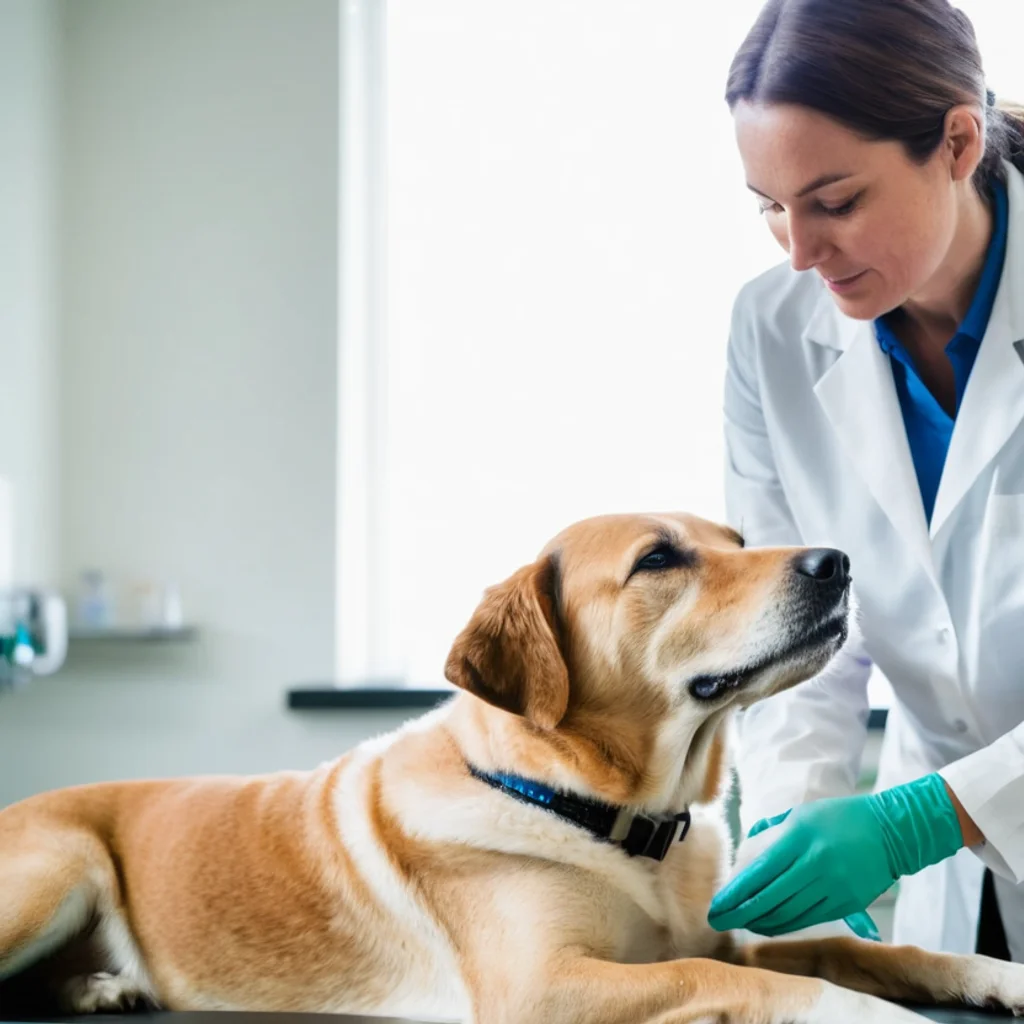
Assistance dogs carry out trained tasks that help people with disabilities live more independently. Yet scientific research on these dogs' own welfare has remained quite limited. They live in changing environments full of challenges that pet dogs don't face. This means their welfare may vary depending on context. Reliable, context-sensitive assessment tools are needed, but the current state of these tools remains unclear.
What the research found
This study reviewed the existing literature to examine how assistance dog welfare is measured. It considered only peer-reviewed studies published in English that assessed welfare using observable animal-based or environmental indicators. A total of 396 records were screened, and only 249 of them were assessed after duplicates were removed. In the end, just eight studies were included. Most of the studies were published after 2021 and focused mainly on guide dogs. However, no studies were found on puppies before training or on retired dogs.
Welfare was assessed in two ways: proxy-report tools completed by recipients, their families or organizations, and direct behavioral observations coded by researchers. The method used varied depending on the dog's working stage. Behavior was the most frequently used indicator, with a particular focus on stress-related behaviors. Behaviors reflecting positive emotional states were rarely observed or analyzed. The research presents one tool developed specifically to assess assistance dog welfare. Still, directly applicable welfare assessment tools remain limited, and the existing literature is fragmented.
What this means for pet owners
The welfare of assistance dogs is extremely important for their health and happiness. These dogs give their owners a great deal of support in daily life, and their own welfare needs to be considered too. Owners can better understand their dogs' needs by watching their stress levels and general behavior. However, to make a firm assessment, it's important to consult a veterinarian. Veterinarians can share more about a dog's health and welfare and offer guidance when needed.






