
While browsing adoption listings, the animal you can't stop thinking about is sometimes miles away, in another city. Distance may look like a big obstacle at first, but with the right planning you can set up a journey that is safe for both you and the animal. What matters is thinking through each step in advance and not rushing.
In this guide, we walk through adopting from a listing in another city step by step, from the first meeting to the days after arrival.
Why does long distance need extra thought?
When you adopt within the same city, it is fairly easy to meet a few times, do a home visit and then decide. In an adoption between cities, most of these steps get squeezed into a single meeting. On top of that, the animal makes a long journey before reaching its new home. That journey can be tiring and stressful for it.
So before you decide, ask yourself: Do I have enough information to really know this animal, or have I just fallen for its photos? There may also be an animal with similar traits waiting to be adopted in your own city. Filtering adoption listings by city on DoldurKabı and looking at options near you puts your decision on firmer ground.
Before deciding: meeting from a distance
A video call does not fully replace meeting face to face, but it is a good way to get to know the animal and the person who posted the listing.
- Video call: Watch live how the animal behaves at home and how it responds to the person caring for it.
- Videos and photos: Ask for short videos of it playing, eating and resting.
- Health records: Ask for photos of the vaccination record and any vet reports.
- Personality: Ask how it reacts to strangers, noises and travel.
The person who posted the listing will want to get to know you too. Showing your home on video, describing your daily routine and answering their questions openly builds trust on both sides.
Who will travel to whom?
In an adoption between cities, the first decision is who makes the trip. There are usually three options:
- You go to the animal's city: You get to meet the animal face to face, and you are with it on the way back. Most listing owners prefer this option.
- The listing owner brings the animal: The listing owner also gets to see your home. But this takes a serious amount of their time and effort.
- Meeting halfway: Meeting at a point between the two cities splits the journey.
Whichever you choose, the trip is less stressful for the animal if it starts next to someone it trusts.
When picking a travel date, also account for the few days after arrival. A period when you can be with the animal once it reaches its new home, without a busy work schedule or houseguests, helps the first days go calmly. A plan that falls on a weekend or your days off gives it time both to recover from the trip and to get to know its new surroundings. Avoiding very hot or very cold days also makes the journey more comfortable.
Be cautious about offers to ship the animal
In some cases, someone may suggest sending the animal alone by cargo or a similar method. This means the animal spends a long time alone, in an unfamiliar place and under stress. Deciding to adopt without meeting the animal also weakens the chances of a good fit. Whenever possible, choose for the animal to travel with a person.
Also be careful with listings that ask for payment in advance before you see the animal, or that only offer to send it from afar. Adoption is not a sale, and the animal's safety comes before everything.
Preparing for the trip
Health check
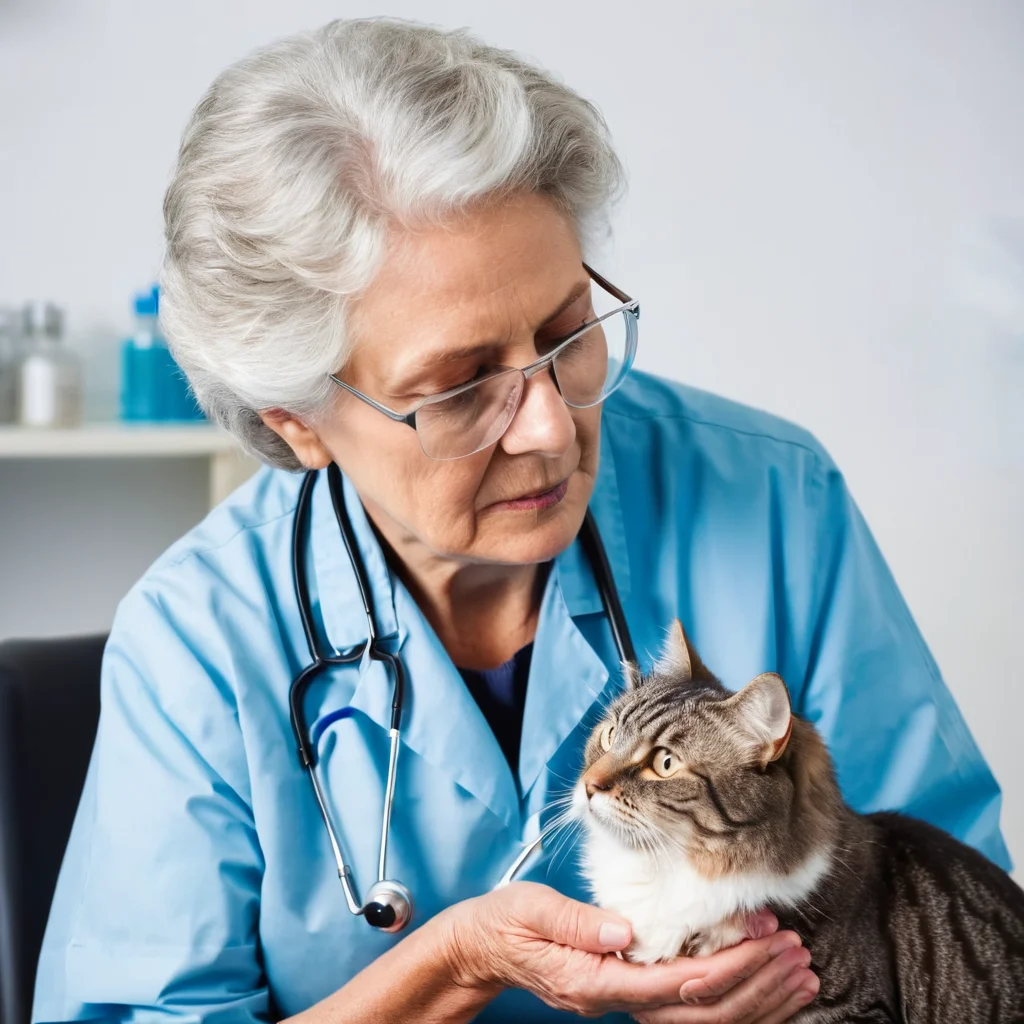
It is important for the animal to have a vet checkup before the trip. The vet can assess whether it is fit for a long journey and suggest what can be done about travel stress. Only the vet should decide whether any medication or sedative is used for the trip.
Documents
Bring the vaccination record, microchip information if there is one, and any vet reports. If you will travel by public transportation, find out the company's pet travel rules in advance; the rules can vary by company and type of vehicle.
Carrier and supplies
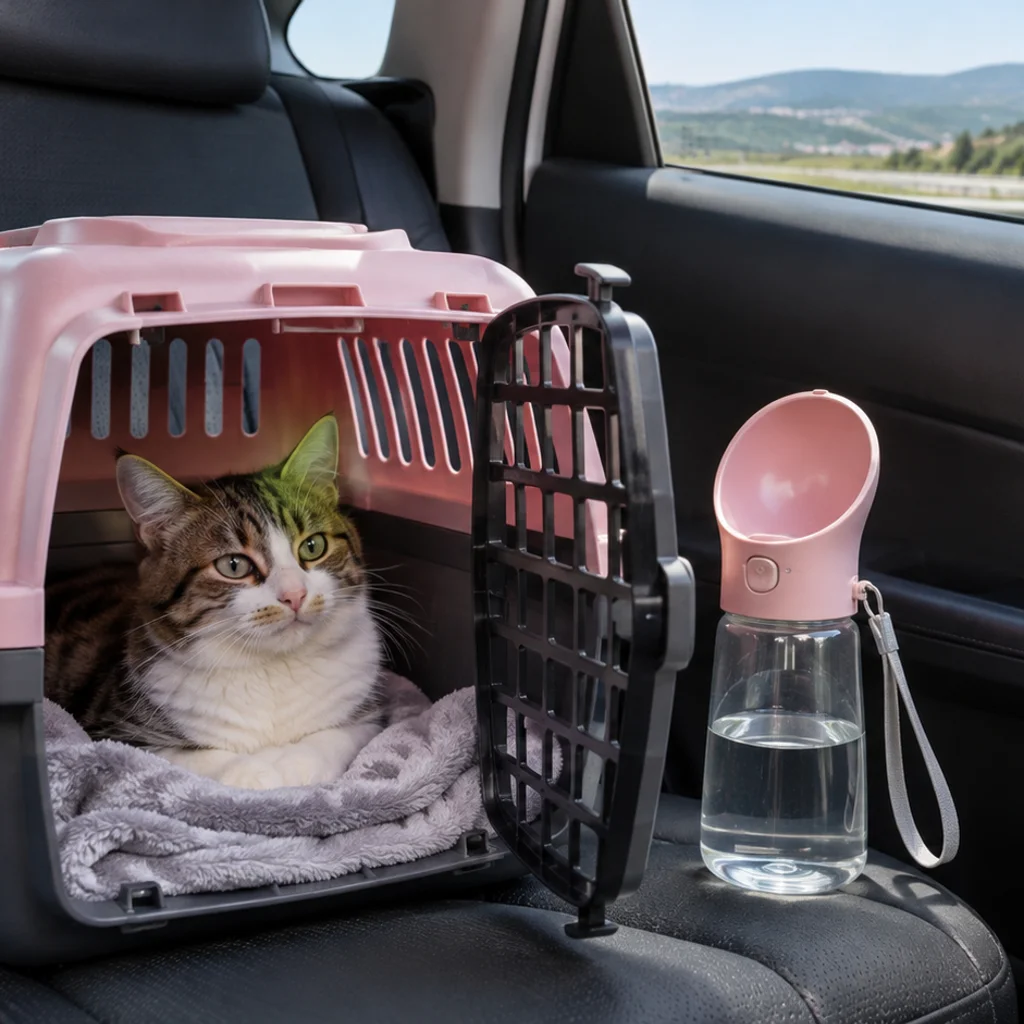
- A sturdy, ventilated carrier big enough for the animal to turn around in comfortably
- An absorbent pad for the bottom of the carrier, with a blanket on top that smells like the animal
- A water bowl and a small bottle of water
- A small amount of food for a short trip; for a long trip, the feeding plan your vet recommends
- For dogs, a collar and leash to use at rest stops
- Wet wipes, trash bags and a spare pad
Traveling by car
If you are traveling in your own car, secure the carrier with a seat belt or place it behind the front seats where it won't get jostled. Keeping cats inside the carrier for the whole trip removes the risk of a sudden escape. For dogs, breaks at regular intervals take care of drinking and bathroom needs.
During the trip, make sure the inside of the car does not get too hot or too cold. Never leave the animal alone in the car. You can find the details of preparing for a long drive in our post on preparing for a long road trip with your pet.
The handover
The handover is an emotional moment for you, for the listing owner and for the animal. To keep it calm, pay attention to the following:
- Meet in a quiet, safe place; a calm area may be a better choice than a crowded terminal.
- If there is an adoption agreement, read it in advance and sign the terms you have agreed on.
- Take the vaccination record, the health records and a few days' worth of the food the animal is used to.
- Ask the listing owner for a short note about the animal's daily routine, the things it is afraid of and the games it likes.
Take care not to let the animal out of the carrier at the handover point. A frightened animal in an unfamiliar place can easily run off.
The first days after arrival
When you get home, settle the animal in a quiet room first. Because of the tiring trip and the strangeness of the new place, it may be natural for it to hide, eat little or not eat at all in the first hours. Have water, food, a litter box and a resting spot ready, and let it explore at its own pace.
Planning a get-to-know-you checkup with a nearby veterinarian in the first days after arrival lets you keep track of the animal's health and helps you find a vet you can trust in your new city. Also send the listing owner a short message to let them know the animal arrived safe and sound; this small gesture means a lot to them.
Frequently Asked Questions
Can the animal handle a long trip?
Healthy adult animals usually tolerate a well-planned trip. For very young kittens or puppies, senior animals or those with a chronic condition, you should always discuss the travel plan with a veterinarian.
Should I feed the animal during the trip?
On long trips, a very full stomach can cause nausea. The right approach is to ask your veterinarian about a feeding plan before and during the trip, based on the animal's age and health. Water, however, should be available throughout the journey.
What should I do if the animal doesn't eat at all after the trip?
A drop in appetite on the first day can be due to travel stress. If you notice a lack of appetite lasting longer than a day, vomiting, diarrhea or lethargy, see a veterinarian without delay.
Can the adoption agreement be signed remotely?
This depends on what both sides agree on. Signing it in person during the handover is a common approach. If the agreement is shared in advance, you get the chance to read the terms calmly and ask questions.