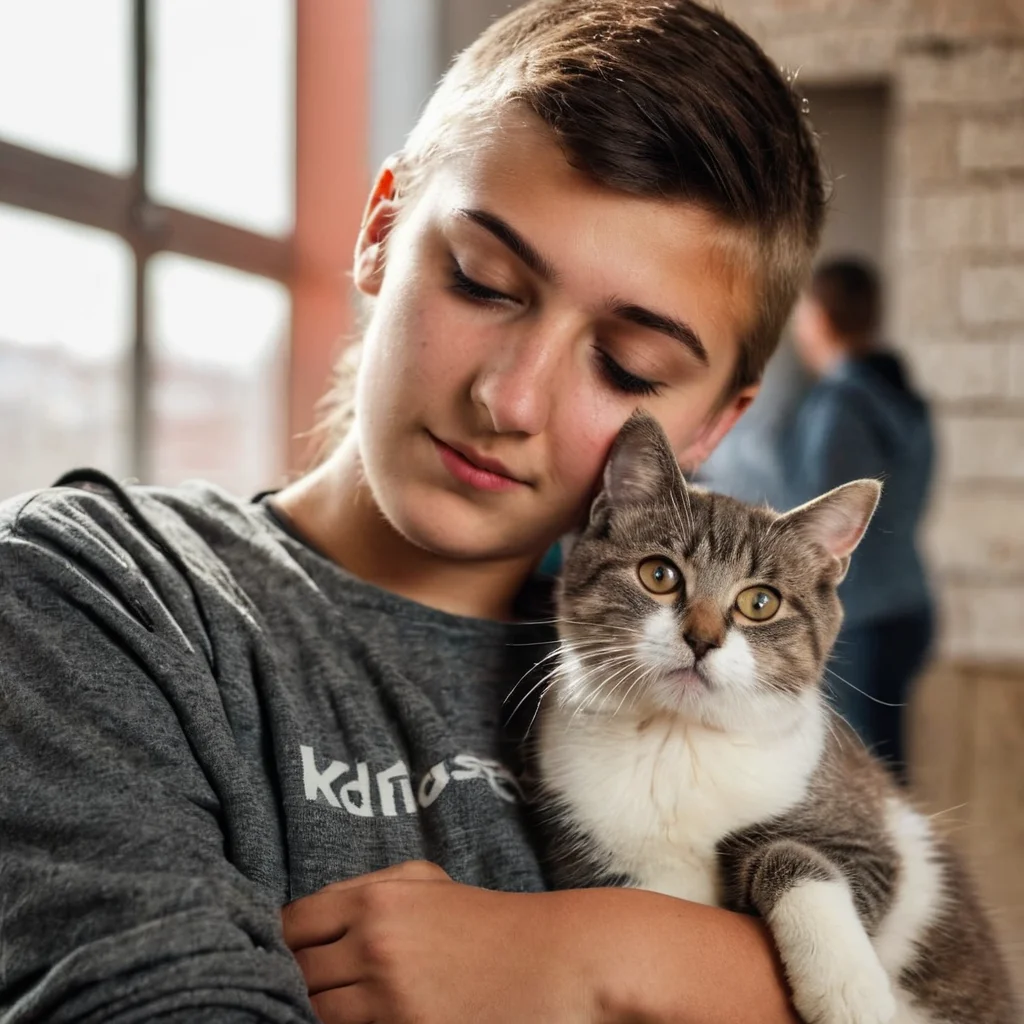

In short: No provision of the law directly bans giving a child a pet as a gift; however, Article 14(d) of Animal Protection Law No. 5199 bans selling pets to anyone under the age of sixteen. The duties of caring for and protecting the animal belong to the person who adopts it (Article 5), so the decision and the responsibility rest with the adults in the home.
When a birthday, report card day or New Year's comes around, many households start asking, "Should I get my kid a cat or a dog?" Growing up with an animal can teach a child compassion, patience and responsibility. But a pet is not a toy; it's a living being that needs care for years. In this post we first look at what the law says, then at ways to turn the gift into a family decision.
What does the law say? The age 16 rule
Article 14 of Law No. 5199 lists prohibited acts involving animals. Subparagraph (d) reads:
Selling pets to persons under the age of sixteen. (Law No. 5199, Article 14(d))
In other words, a pet cannot be sold to a child under sixteen. A seller who breaks this ban faces an administrative fine under Article 28(j). The provision regulates sales; it does not separately ban giving a child a pet as a gift. But the thinking behind the rule is clear: the decision to take on responsibility for a living being should not be left to a child.
Other rules about sellers
For families thinking of buying rather than adopting, there are other rules about sellers too:
- People who sell pets must attend training programs run by local governments and get a certificate (Article 5). Selling pets by people who haven't received animal care training is prohibited (Article 14(c)).
- Cats and dogs may not be kept at pet stores; these stores may only sell cats and dogs from breeding facilities licensed by the Ministry (Article 10).
- Giving away animals, other than those raised for slaughter, as prizes, bonuses or rewards is prohibited (Article 14(g)). For example, handing out an animal as a prize in a contest falls under the act described in this subparagraph.
Why is a surprise pet risky?
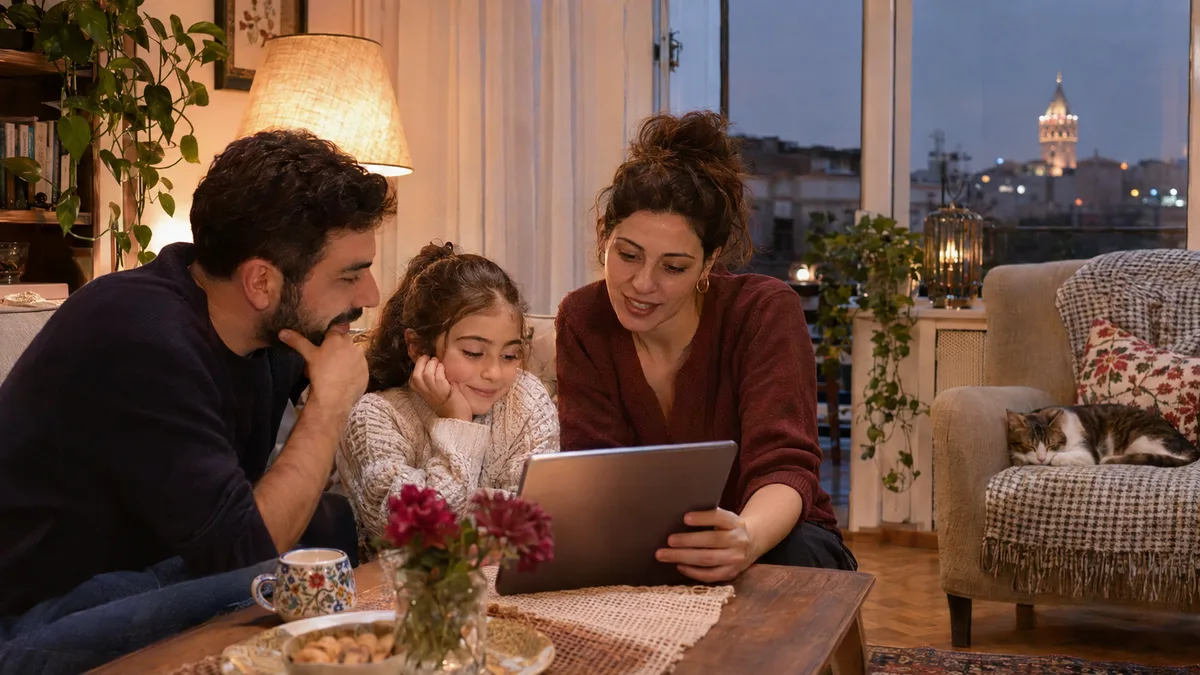
There's a common pattern with pets that arrive as gifts: the excitement of the first days fades, school and homework pile up, but the pet's needs don't shrink. A kitten scratches, a puppy needs potty training until it settles in, fur gets everywhere, and the vaccine and checkup schedule begins. If no one has talked through who will do what, the care quickly ends up on one person's shoulders and the pet starts to be seen as "too much."
Another problem with a surprise gift is that not everyone in the family may be ready. A family member with allergies, a landlord who doesn't allow pets or an upcoming move can quickly turn a well-meant gift into a problem. Here the law is clear: abandoning a pet is prohibited (Article 14(n)) and carries an administrative fine (Article 28(j)). Once a pet is home, "it didn't work out, let's give it back" is not an easy option.
A family decision before the gift
The person who adopts an animal is obligated to house it, meet the needs of its species, look after its health and take the measures needed for human, animal and environmental health (Article 5). Taking steps to prevent harm or disturbance the animal might cause is also the owner's duty. A child can't carry these obligations alone, so the decision should be a joint one made by the adults in the home. Before you decide, talk through these questions together:
- The pet will live with us for years; who will take care of it during that time?
- Which species suits the size of our home and our daily routine?
- Is our budget ready for food, litter, vaccines and vet checkups?
- Who will care for the pet when we go on vacation or are away from home for a long time?
- Is anyone at home allergic to or afraid of animals?
To think about which species fits your family, you can take the Suggest a Pet for Me quiz together with your child, and read about each species' needs together on the Pet Encyclopedia page.
Registration and ID are part of the responsibility
The law defines an owned animal as a pet that has been adopted, whose care, vaccines and periodic health checks are carried out, and that is registered in the Ministry's database (Article 3(j)). Cat and dog owners are required to have their animals registered using digital identification methods (Article 4(k)); Provisional Article 4 set December 31, 2025 as the deadline for this registration. Adults should take on the registration as well.
Sharing the responsibility: chores by age
A lovely way for a child to bond with a pet is to take on small tasks suited to their age. The main responsibility still lies with the adult; the tasks are there to give the child a sense of involvement and care. The table below is a general suggestion, so adapt it to your child's development:
| Age | Tasks the child can do | What stays with the adult |
|---|---|---|
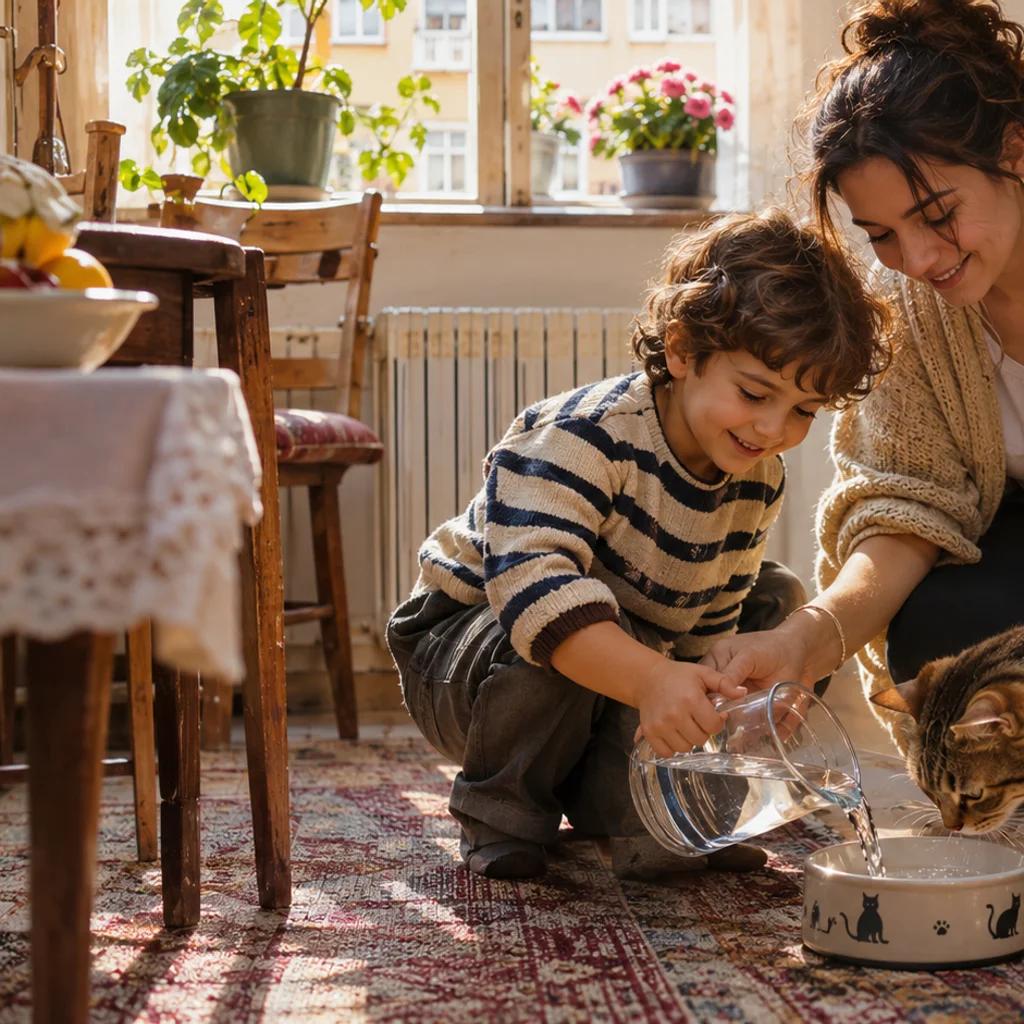
| Ages 4-6 | Filling the water bowl with an adult, picking up toys, learning to pet the animal gently | Feeding, cleaning, health tracking |
| Ages 7-10 | Putting food the adult has measured into the bowl, brushing, playtime | Food portions, litter or potty routine, vet |
| Ages 11-15 | Cleaning the litter box, going on walks with an adult, writing vaccine dates on the calendar | Vet decisions, expenses, registration |
| All ages | Respecting the pet's rest and meal times | The final say and all legal obligations |
Never leaving young children alone with a pet unsupervised is important for the safety of both the child and the animal.
Adopting together instead of giving a gift
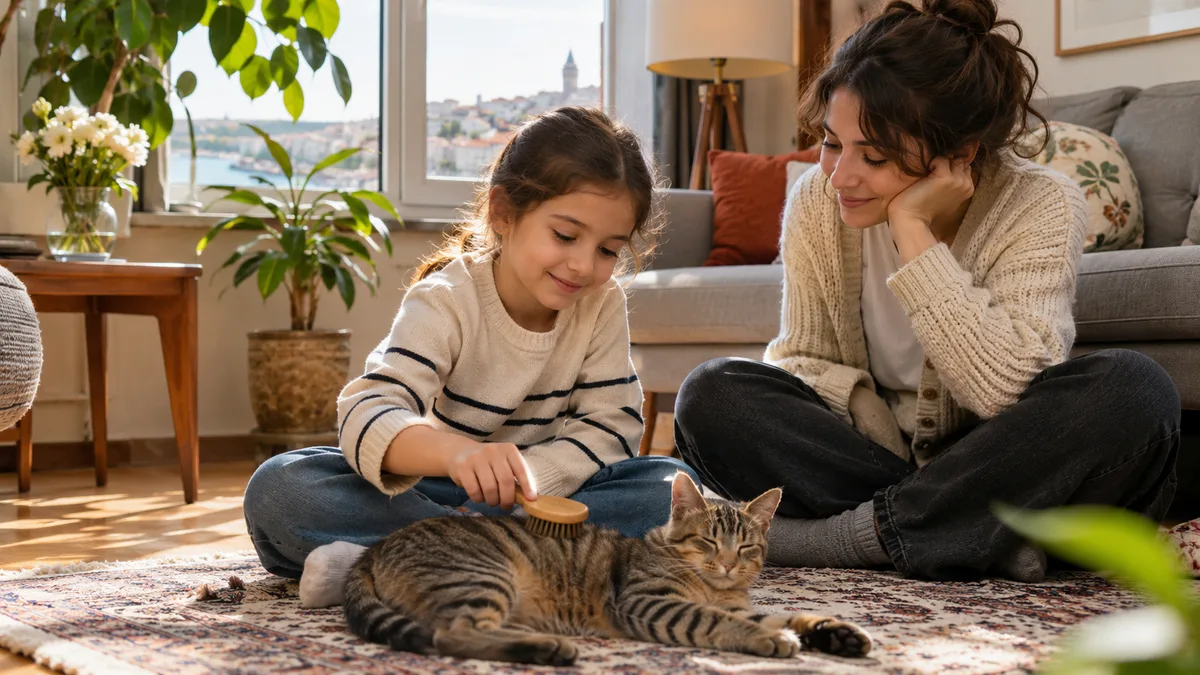
Instead of handing over a pet as a wrapped surprise, adopting together as a family gives both the child and the animal a sturdier start. The child is part of the process: you look at listings together, go meet the animal together and prepare for the first days together. That way the pet isn't "a gift someone gave me" but "a family member we opened our home to together."
Adoption also has a broader meaning. Many cats and dogs are waiting for a home on the street and in shelters. Demand for buying fuels breeding; adopting opens a home to an animal that already exists. The law also lists encouraging people who want to adopt ownerless animals among its basic principles (Article 4(d)). Showing your child firsthand what it means to give a living being a home may well be a meaningful gift in itself. You can start by browsing cat adoption listings together with your child.
Frequently Asked Questions
Can someone under 16 buy a pet with their own money?
Not through a sale. Article 14(d) bans selling pets to anyone under sixteen. A seller who breaks this ban faces an administrative fine under Article 28(j).
Is it illegal to give my child a pet as a gift?
No provision of the law directly bans it. The ban concerns sales (Article 14(d)). The care obligations belong to the person who adopts the animal (Article 5).
If a gifted pet isn't wanted, can it be given back?
Abandoning a pet is prohibited (Article 14(n)). A family that can no longer care for a pet should look for a responsible new home for it instead of leaving it on the street. That's why the decision should be made as a family from the start.
Can an animal be given as a prize at an event?
No. Giving away animals, other than those raised for slaughter, as prizes, bonuses or rewards is prohibited under Article 14(g).
If you're ready to open your home together as a family, you can browse adoption listings on DoldurKabı, or post a free listing for a furry friend you can no longer care for. This article is for informational purposes; for your specific situation, consult a lawyer or the Provincial Directorate of Agriculture and Forestry or its district office.