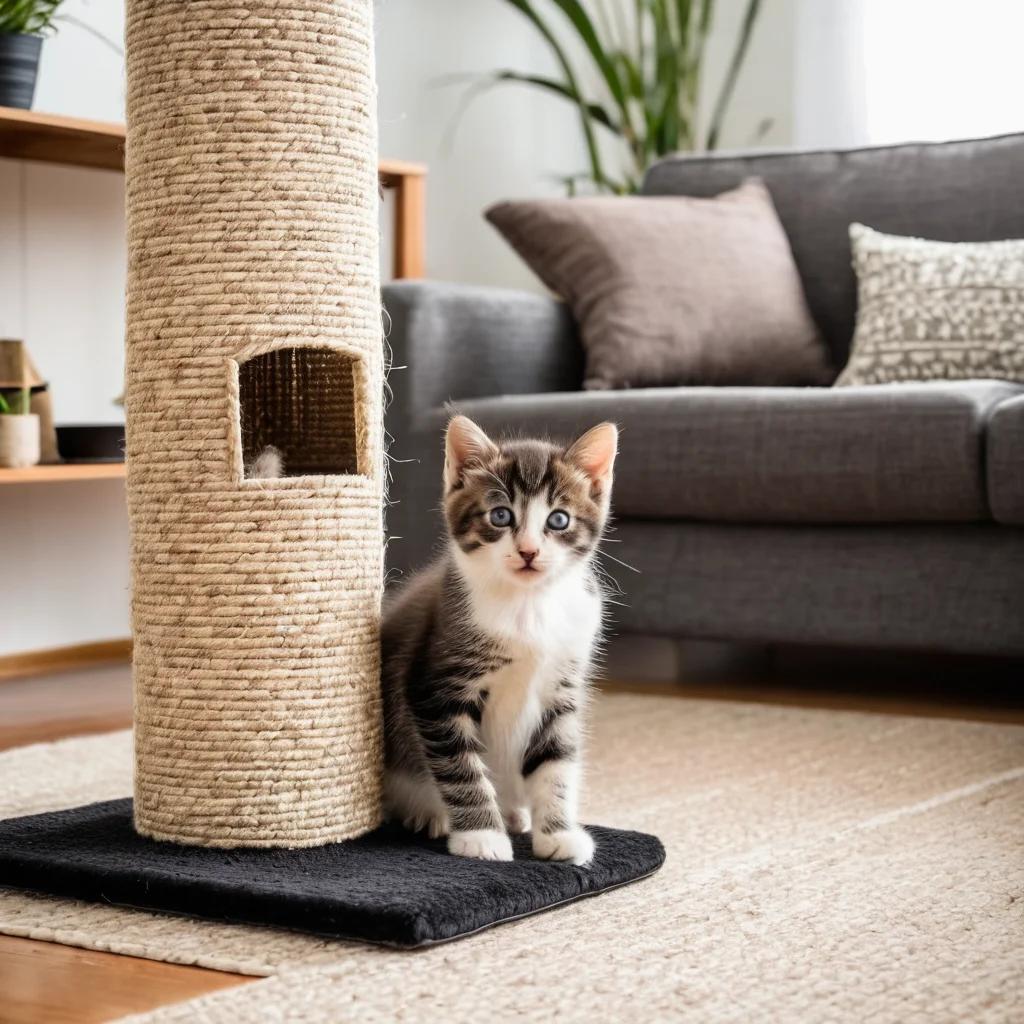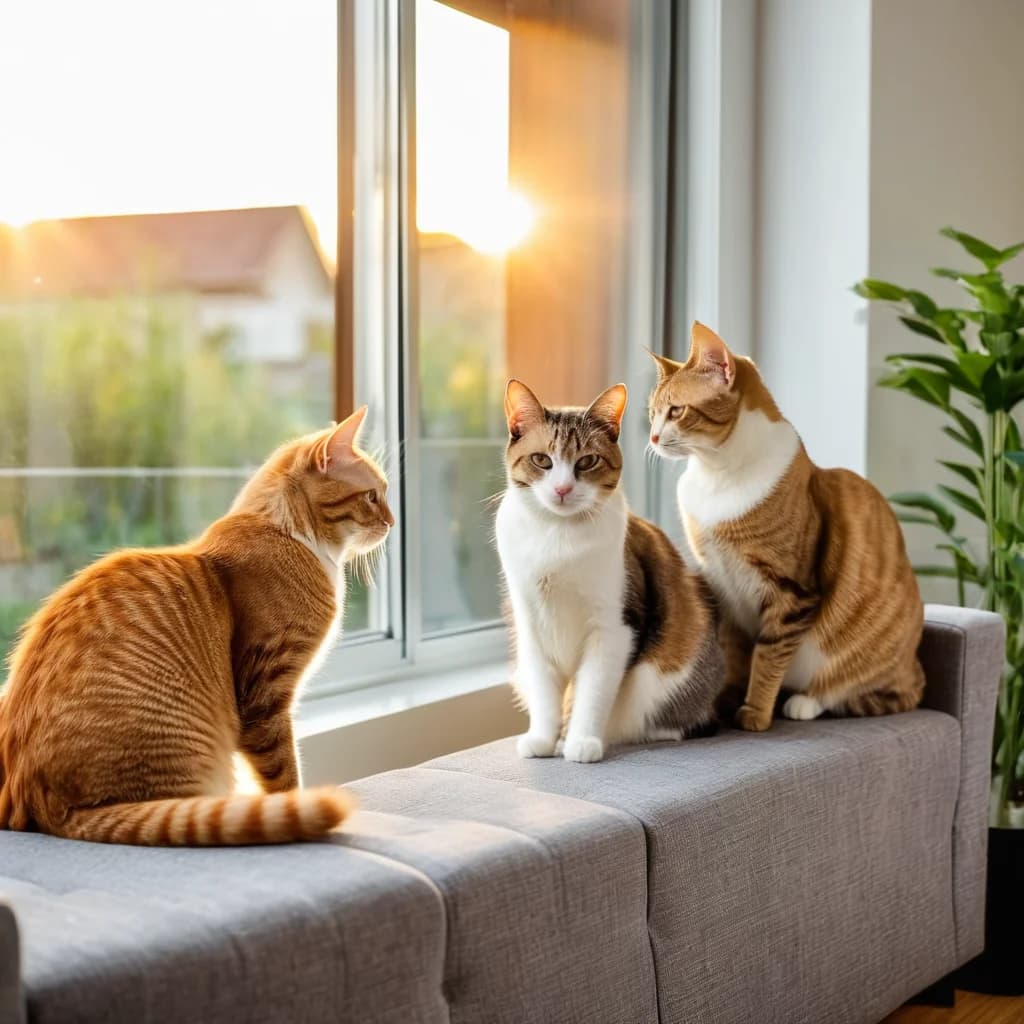

Living with two or more cats is common, but managing it is hard: cats are a solitary hunting species, and their idea of social life is different from ours. Litter boxes (the n+1 rule), separate food bowls, vertical space (cat trees), escape routes and resting spots all matter. So do the causes of fights, how to solve them and how to build harmony. In this article, we take a detailed look at the multi-cat home.
1. How Cats Are Social
- Cats are not pack animals like dogs.
- They are a solitary hunting species but can form colonies.
- Their bond with their owner is personal; friendships with other cats are selective.
- Some cats are happiest alone.
- Some cats are social and love living with other cats.
- Socialization as a kitten makes harmony as an adult easier.
- Knowing each cat's personality is a must.
2. Litter Boxes (The N+1 Rule)
- Number of cats + 1 = number of litter boxes.
- 2 cats = 3 litter boxes.
- 3 cats = 4 litter boxes.
- In different places (NOT in the same room).
- A mix of open and covered boxes.
- Daily cleaning is a must.
- In most cases, the litter box is the main cause of fights.
- Litter box stress in cats leads to accidents around the house.
3. Food and Water
- A separate bowl for each cat.
- Bowls spaced apart (to reduce competition).
- The same room is OK, but with 1-2 m between bowls.
- Different food types for seniors and kittens.
- A separate spot for a pet on a diet (overweight).
- An automatic feeder (portion control).
- Water in several spots (makes cats more tempted to drink).
- An automatic water fountain is a must.
4. Vertical Space (Cat Trees)
- Cats prefer high places.
- At least 1 cat tree, plus one per cat.
- High shelves (bookcases).
- Window perches.
- High spots mean hiding, safety and a view.
- Vertical escape routes to avoid conflict.
- Cats find it hard to walk side by side, so vertical layering is the solution.
5. Hiding Spots
- At least 1 private spot for each cat.
- Covered beds (igloos, boxes).
- Access under furniture.
- Safe high shelves.
- A quiet room (the bedroom).
- Cardboard boxes (a cat favorite).
- Each cat should be able to take a break "alone."
6. Signs of Fighting
- Fluffed-up fur, a tail puffed like a raccoon's.
- Hissing and growling.
- Ears pinned back.
- Attacks and paw swipes.
- One cat chasing the other.
- Competition over food or beds.
- Silent "bullying": one cat keeps approaching the other.
- A sign of stress: going outside the litter box.
7. Causes of Fights
- Scarce resources (food, water, litter, beds).
- Territory conflicts.
- A new cat arriving.
- Losing an owner (or an owner's death).
- Mating stress (not spayed or neutered).
- Pain (a sick cat can become aggressive).
- Outdoor cats seen through the window (redirected aggression).
- Not enough exercise.
8. Resolving Fights
- Separate the cats temporarily (in different rooms).
- Get a vet check (rule out illness).
- Increase resources (litter boxes, food, beds).
- A Feliway Multicat diffuser.
- Window film (to block the view of outdoor cats).
- More play (for the hunting instinct).
- Consult a veterinary behaviorist.
- In severe cases, have the cats live separately.
9. Adding a New Cat
- A slow protocol (see our previous article).
- 1-2 months of introductions.
- Resident cats come first.
- If the new cat is a kitten, harmony is easier.
- A new adult cat needs extra time.
- 3-5 cats is the sweet spot for most homes.
- 5+ cats is a colony, needing extra space and time.
10. Benefits of Having Multiple Cats
- Socialization and play (for cats that get along).
- Pets keep each other entertained while the owner is away.
- The kitten stage is extra adorable.
- Love multiplies with the number of pets.
- Rescuing stray animals.
- Lower average cost (shared resources).
- A social identity as a pet owner.
- Downside: cleaning, attention and costs go up.
For a multi-cat home, the formula is enough resources, vertical space, hiding spots, n+1 litter boxes and stepping in on fights. A cat's social structure is different from a human family's, so respect and space are critical. A stressed cat's quality of life drops and health problems follow. A happy multi-cat home is a joy for the owner. In the DoldurKabı app, you'll find a multi-pet guide and a list of vets who specialize in behavior, all on a map.